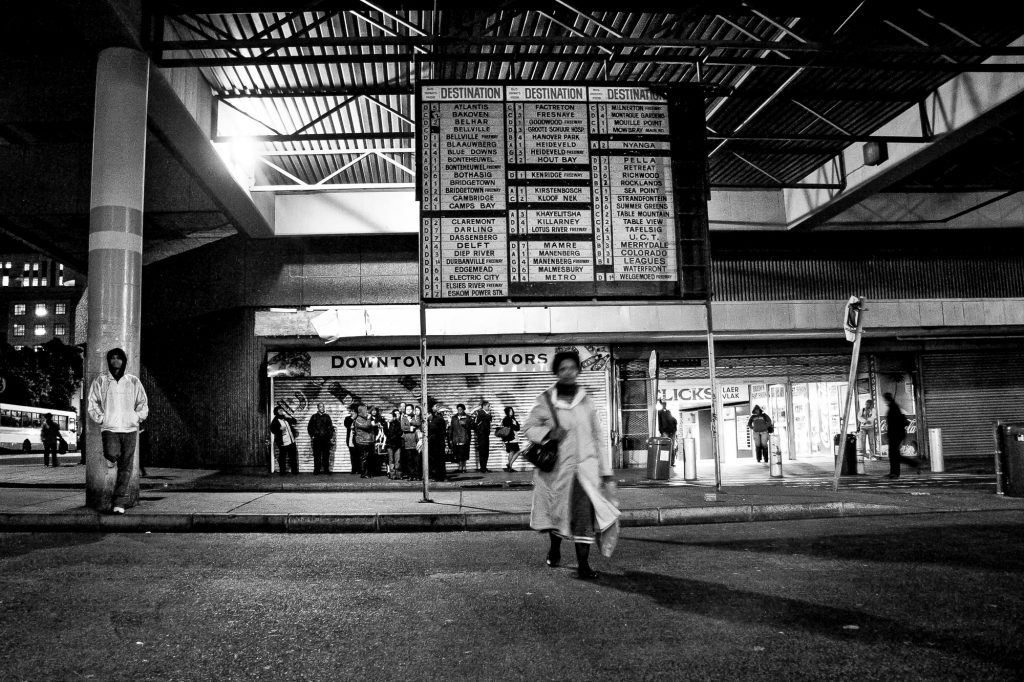
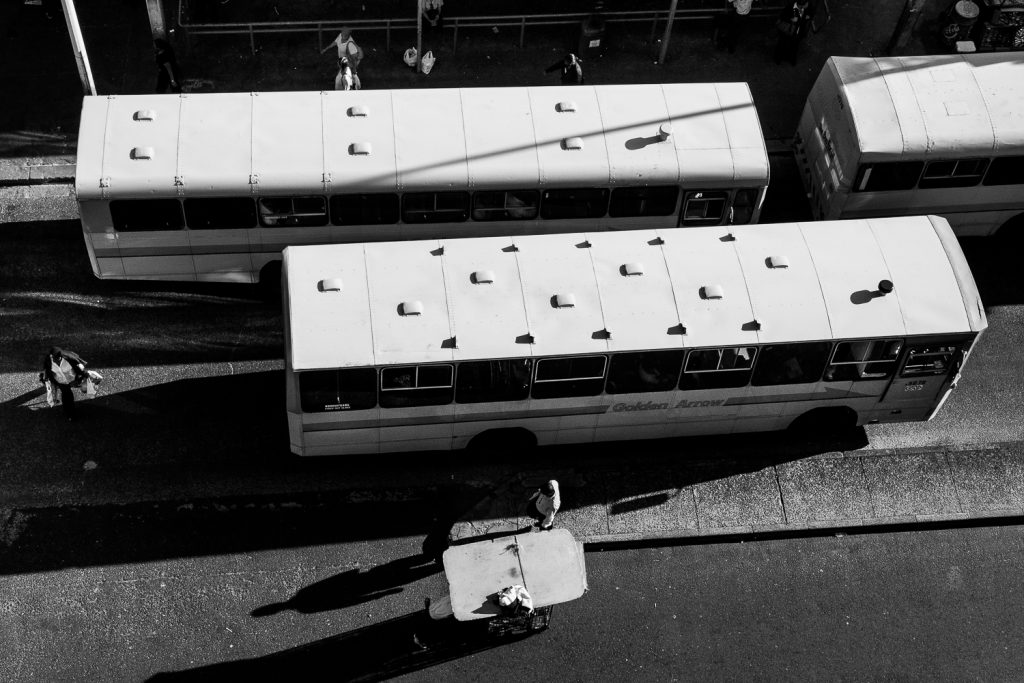
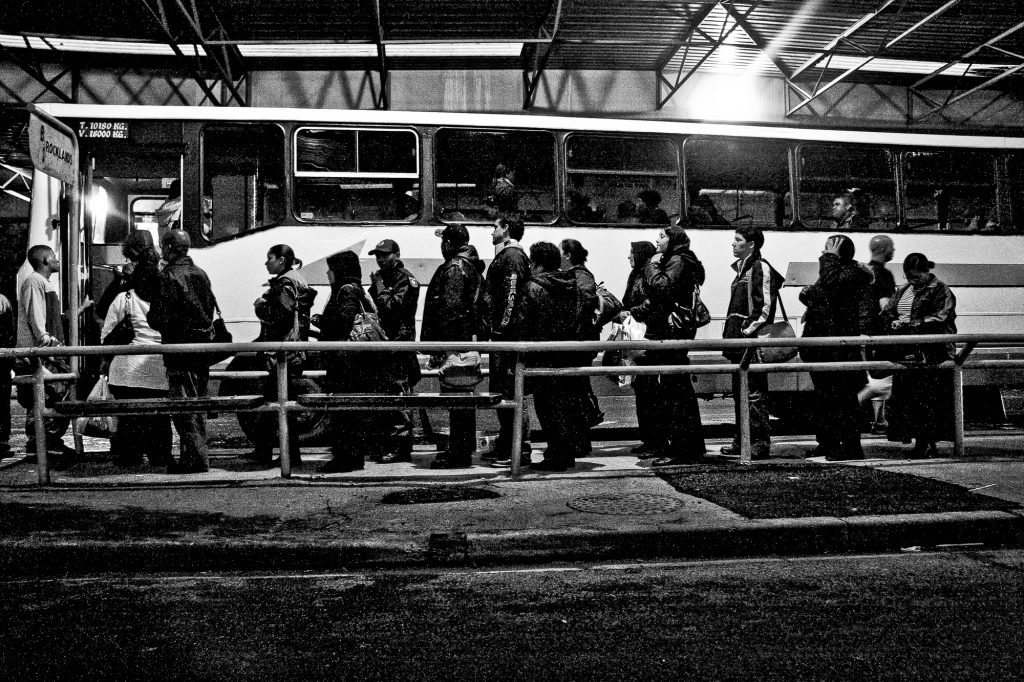
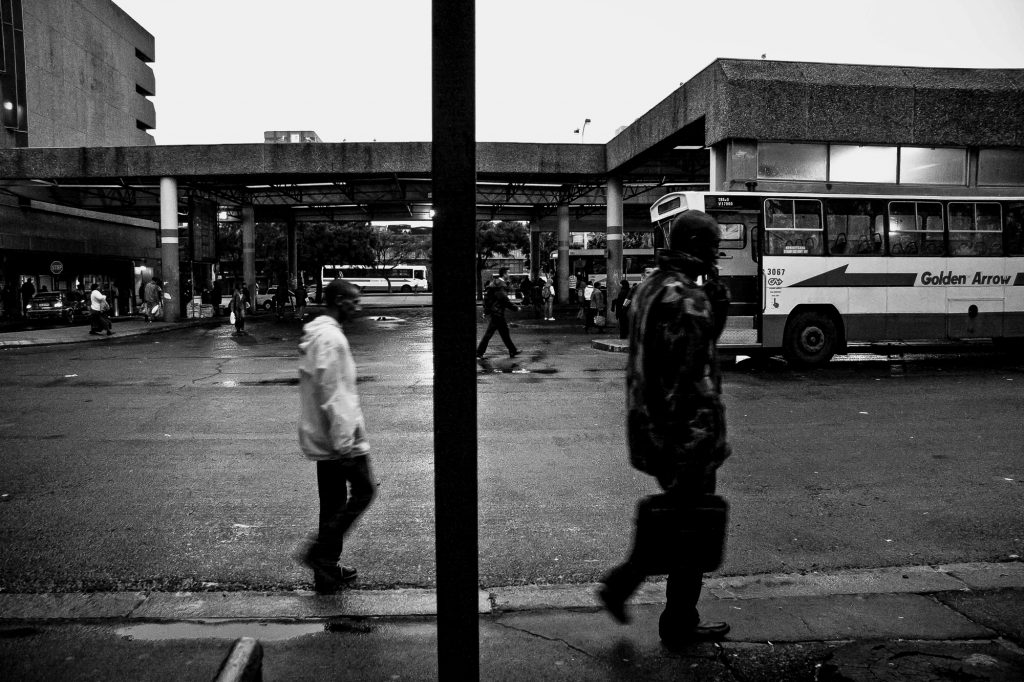
The Cape Town bus terminus on Charl Malan Street is the primary hub for the Golden Arrow public bus network. Every working day, hundreds of thousands of commuters travel through the Cape Town bus terminus from the townships of the Cape Flats into the city centre and back again.
Apartheid Geography and the Cape Town Bus Terminus
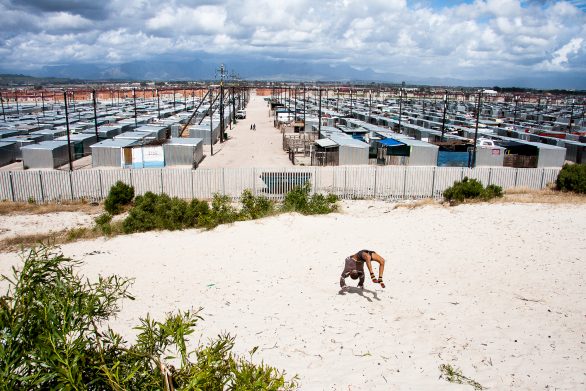
The Cape Town bus terminus serves areas including Khayelitsha, Mitchell’s Plain, Gugulethu, Nyanga, Philippi, Delft, Langa, Bonteheuwel and Manenberg. The distances between these townships and the city centre are enormous, a direct consequence of apartheid-era urban planning that deliberately placed Black and Coloured residential areas as far as possible from the white economic centre. The Group Areas Act of 1950 created a spatial geography designed to keep labour available but communities separated. That geography has not meaningfully changed. In peak hour traffic, the journey from Khayelitsha to the Cape Town bus terminus can take well over an hour. From Mitchell’s Plain the travel time is similarly long. This means that many commuters leave home before first light, arriving at the Cape Town bus terminus before dawn, and catch the bus home only after dark. The cost of a monthly bus pass consumes a significant portion of household income, yet Golden Arrow remains one of the more reliable forms of public transport in the city.
The Quiet Hours at the Cape Town Bus Terminus
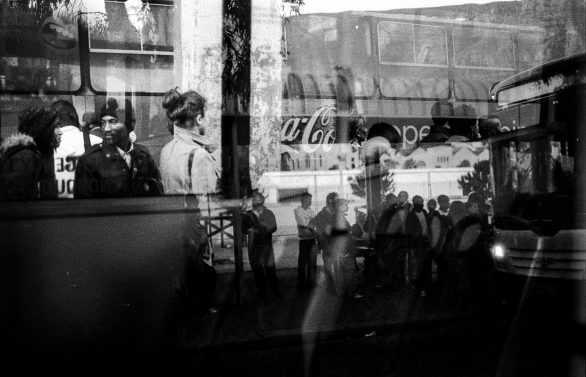
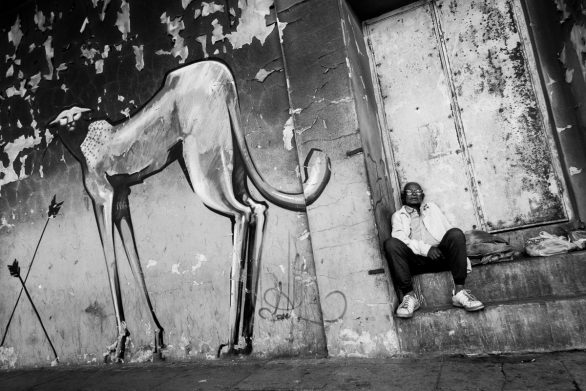
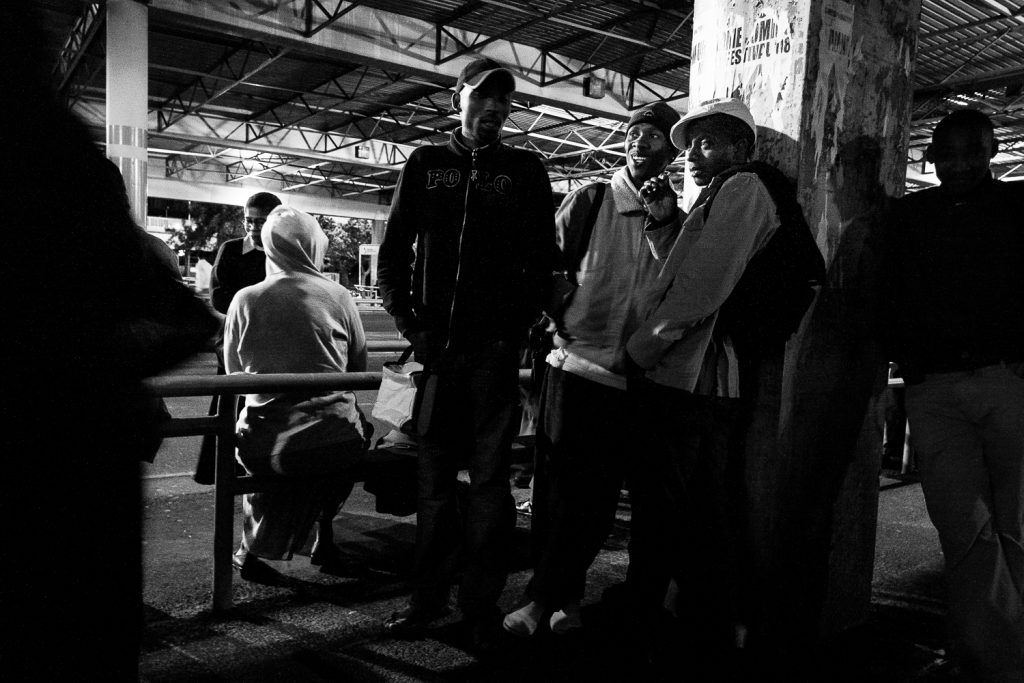
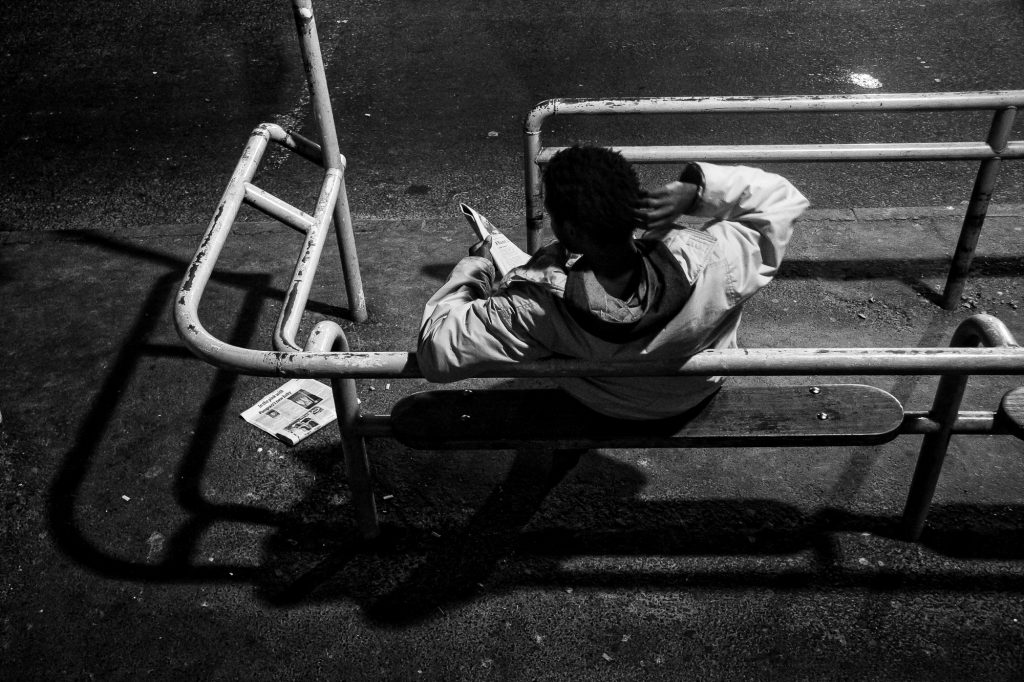
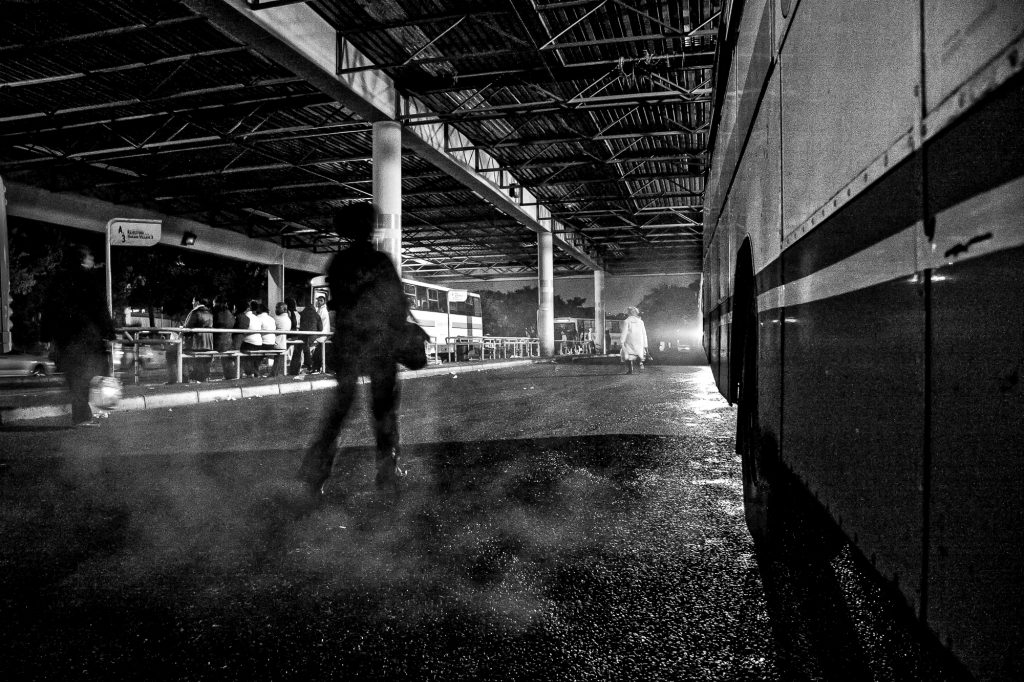
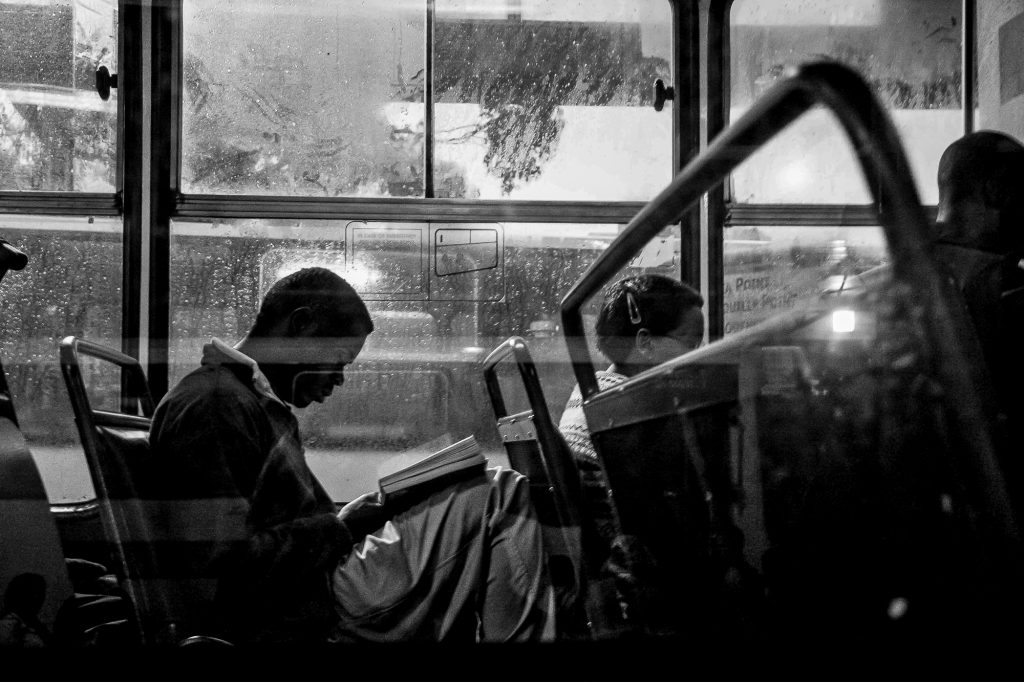
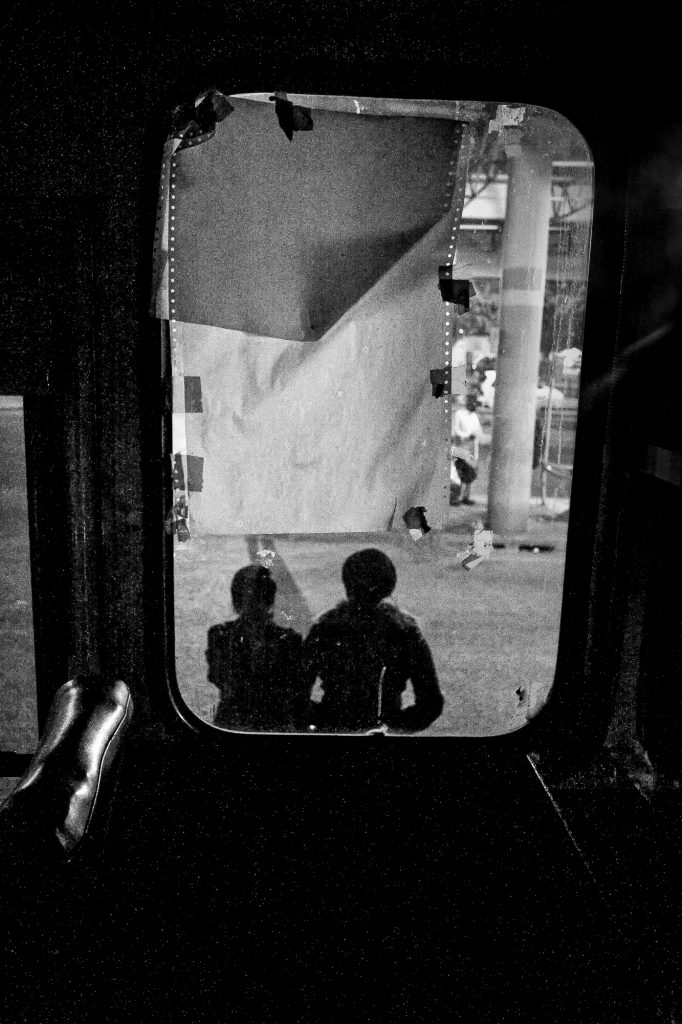
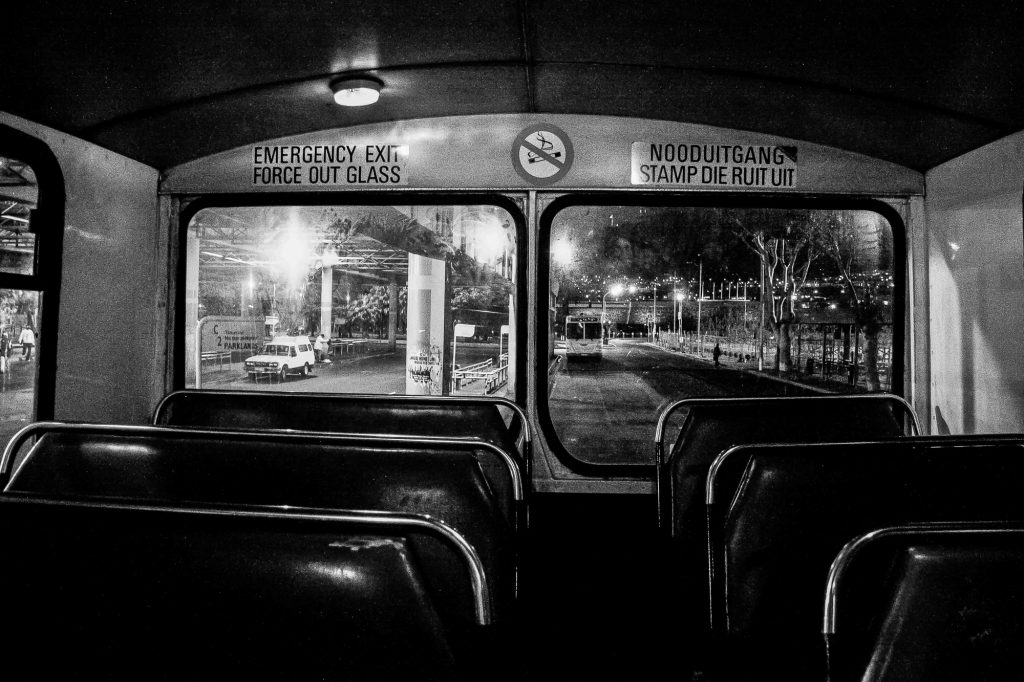
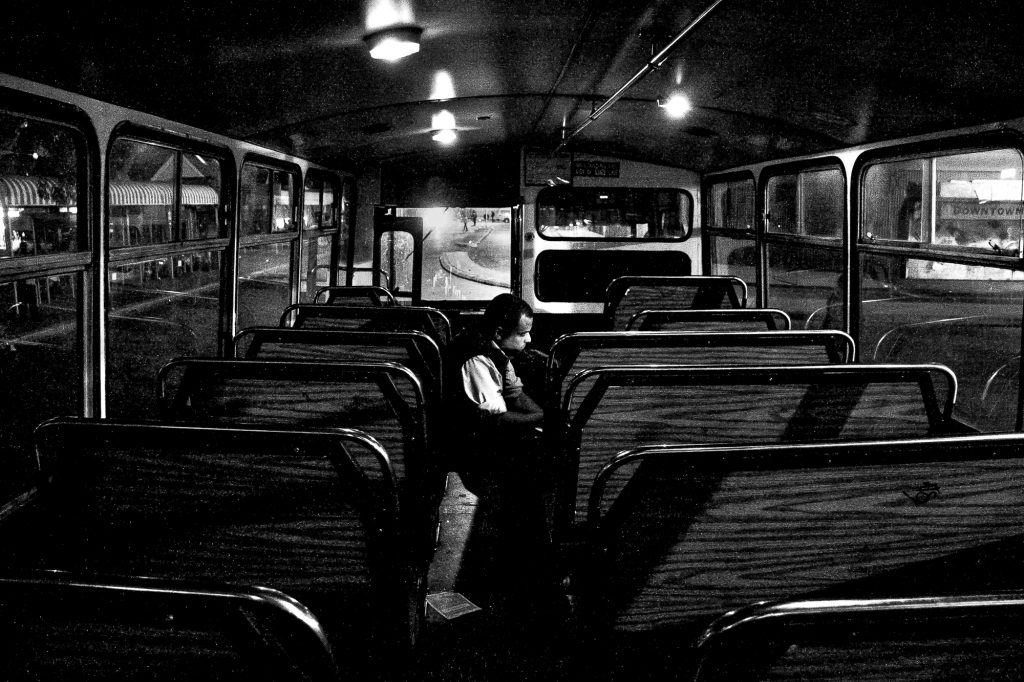
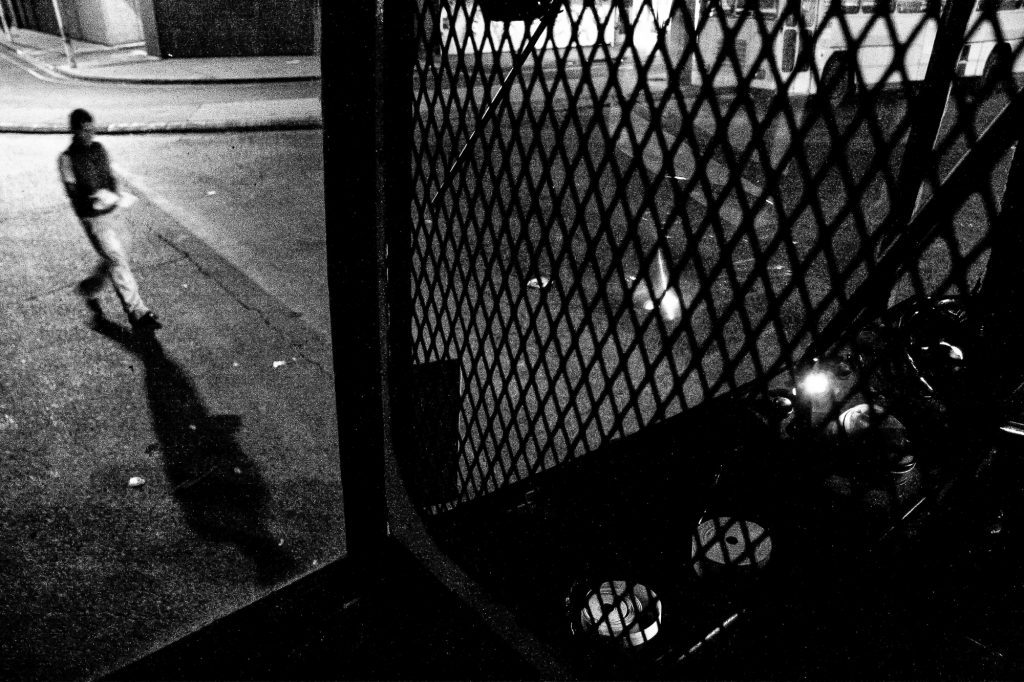
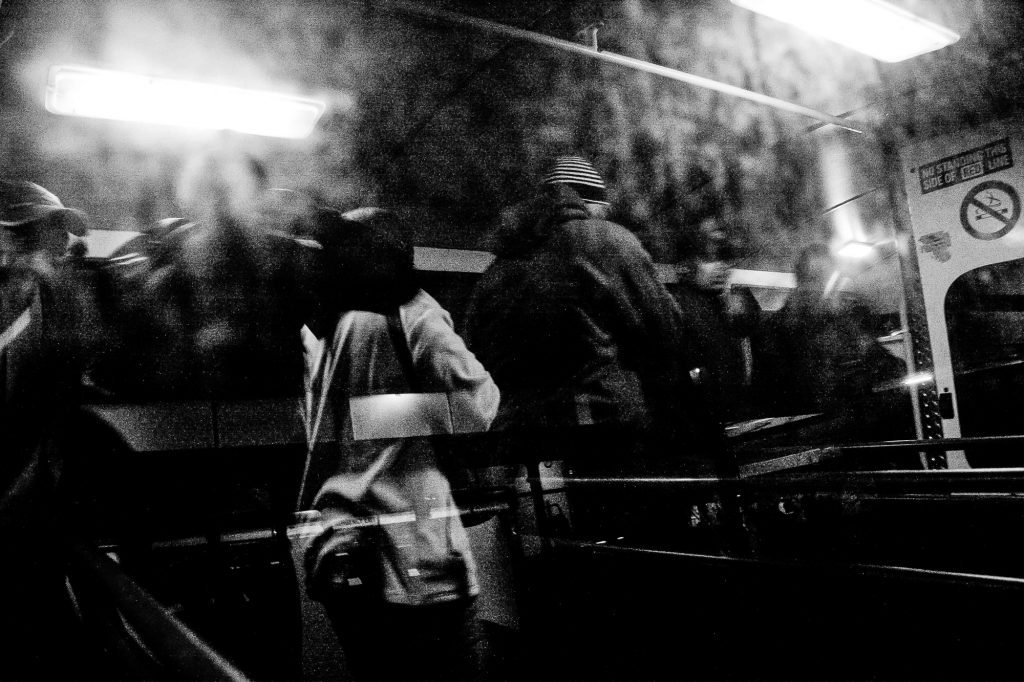
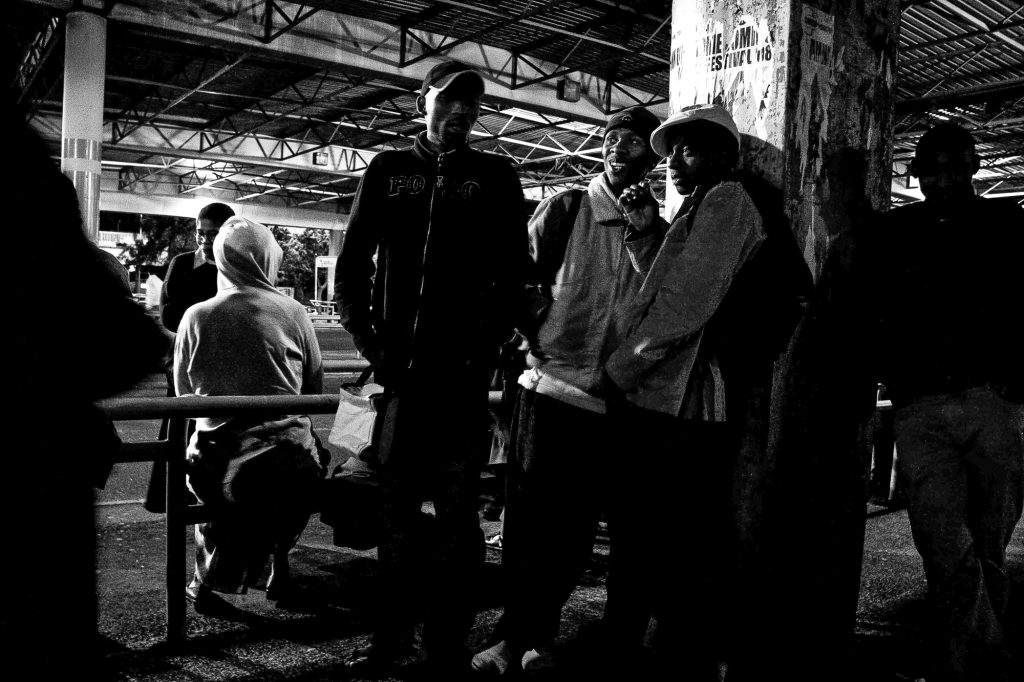
The atmosphere at the Cape Town bus terminus in the early morning and late evening hours is markedly different from the chaos of peak time. The platforms are quiet. A few commuters sit reading the newspaper or resting between shifts. Others stand alone, waiting for a connection, thinking. There is a stillness in these hours that contrasts sharply with the relentless cycle of movement that defines the rest of the day at the Cape Town bus terminus. The long hours of work go by and the buses fill again going home, and the cycle repeats the next day, and the next.
Photographing the Cape Town Bus Terminus
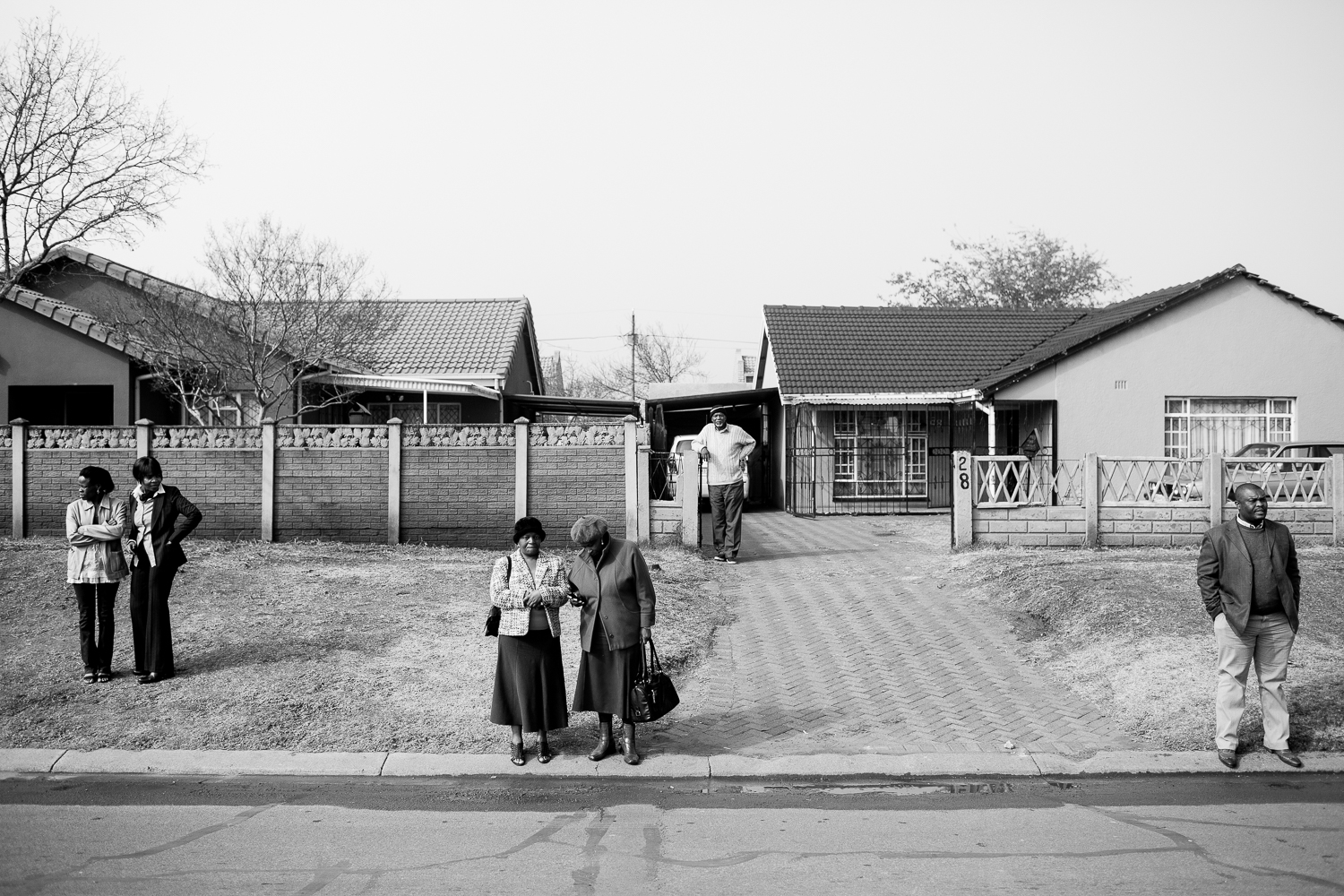
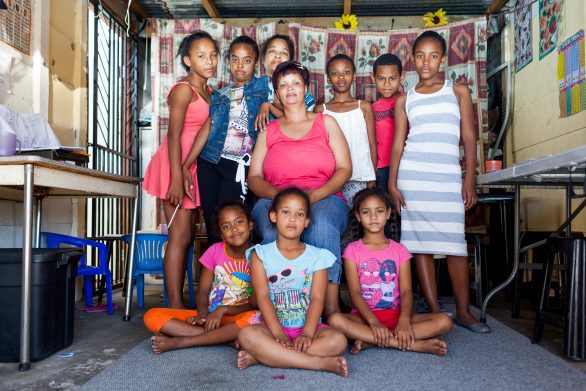
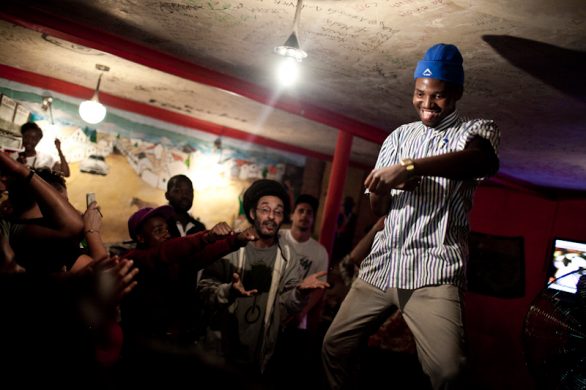
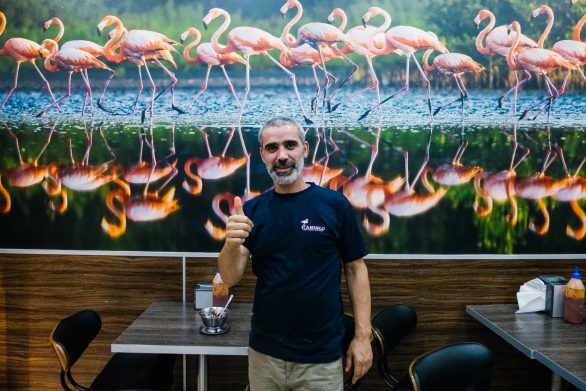
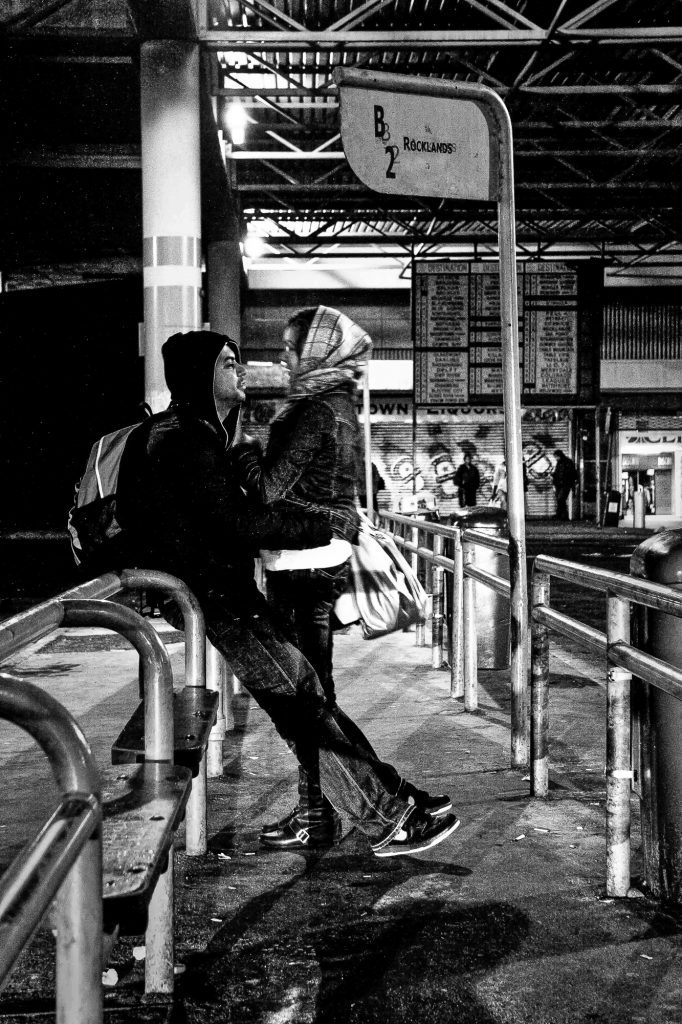
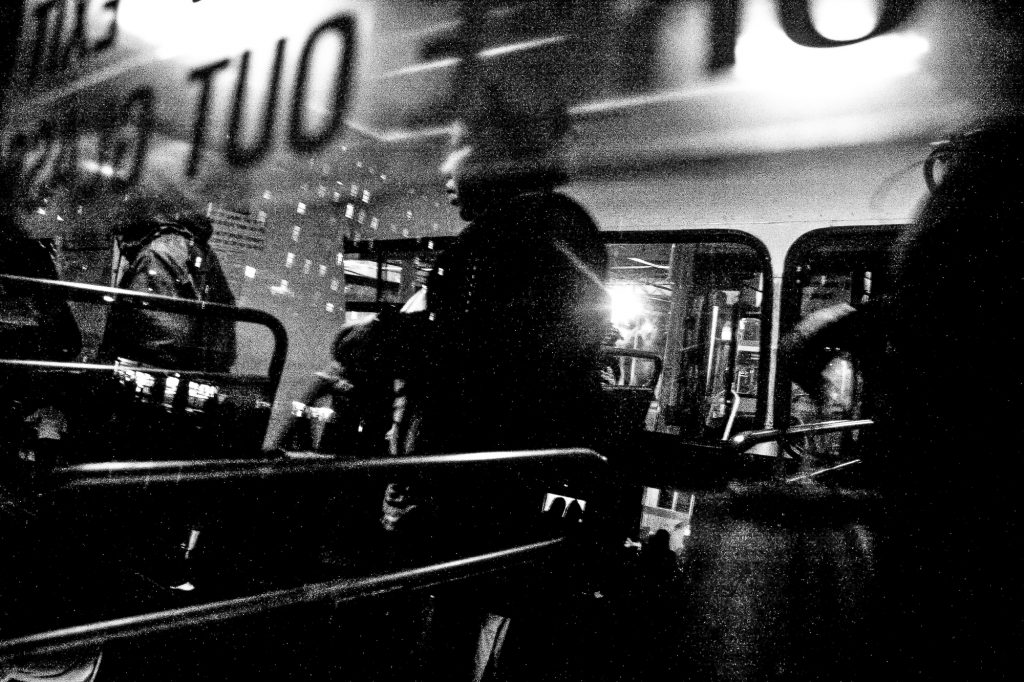
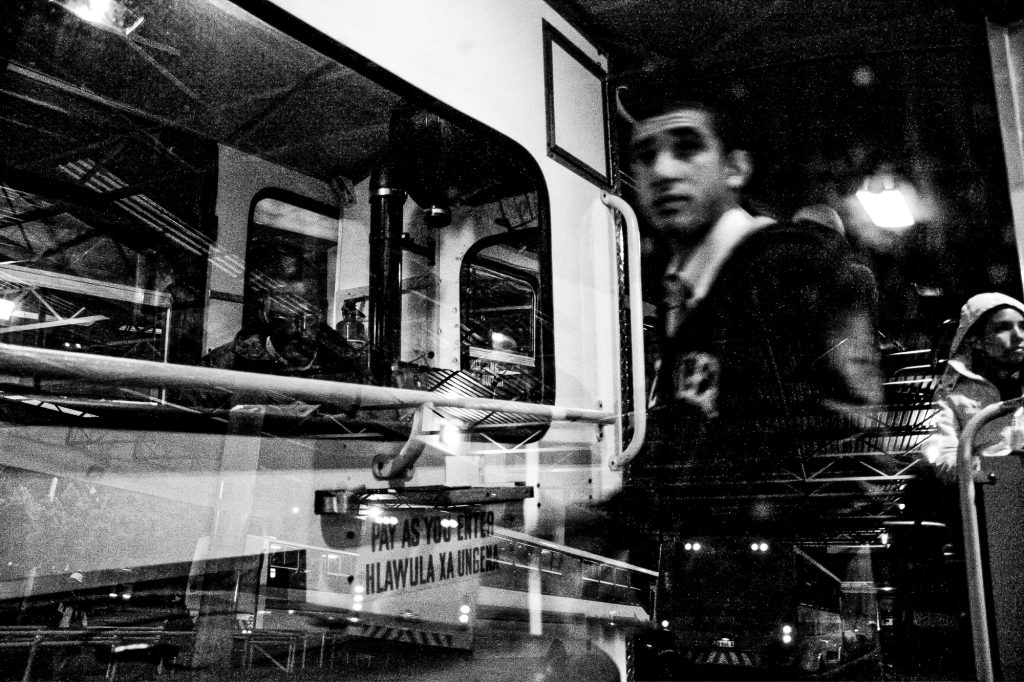
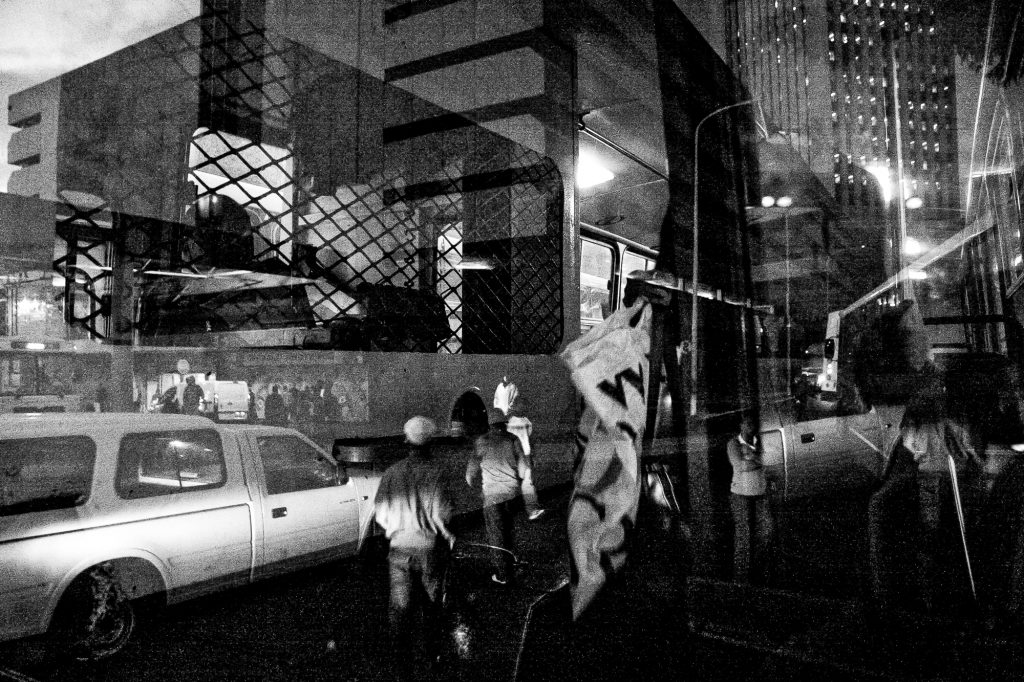
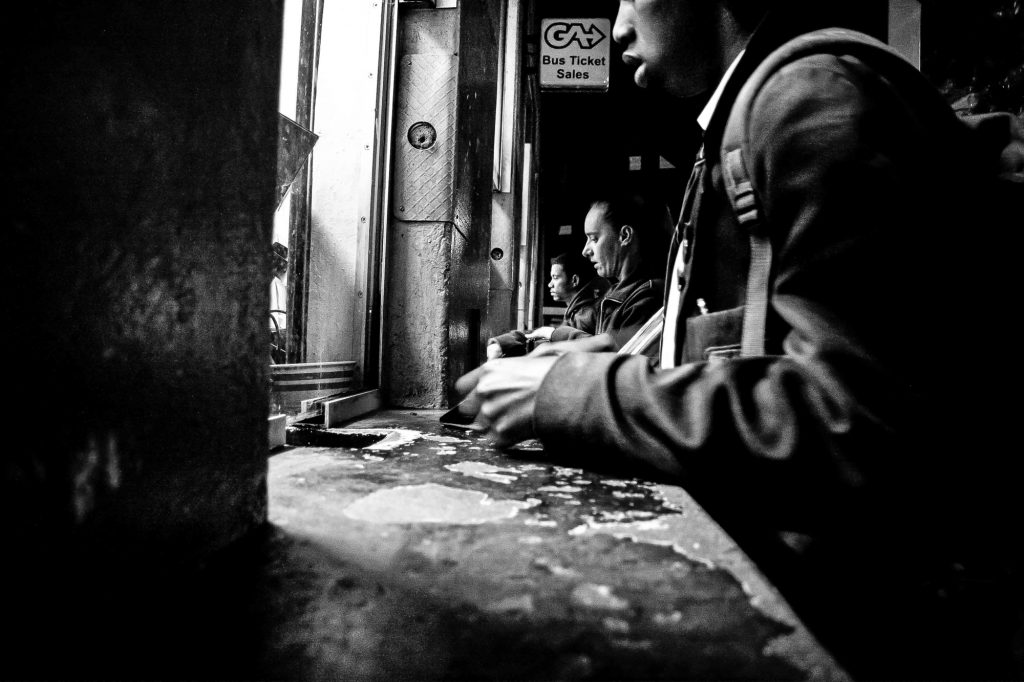
These photographs were made during those liminal hours at the Cape Town bus terminus, at a place most of the city’s wealthier residents have never visited and will never need to. The terminus exists in the daily experience of hundreds of thousands of people but is invisible to the Cape Town that lives in the southern suburbs, the Atlantic seaboard and the northern suburbs. The images capture the light at the Cape Town bus terminus, the expressions on faces, the posture of tired bodies, and the quiet routines that fill the time between arriving and departing. The bus terminus is not a destination. It is a point of passage. But for the people who move through the Cape Town bus terminus every day, it is also a space of stillness inside a system designed to keep people moving.
Related projects: Exhibition 1 Cape Town Public Transport Photography, Blikkiesdorp N2 Gateway
Outbound Links:
- Golden Arrow Bus Services: https://en.wikipedia.org/wiki/Golden_Arrow_Bus_Services
- Forced Removals in South Africa (SAHO): https://sahistory.org.za/article/forced-removals-south-africa
- Group Areas Act and Cape Town (SAHO): https://sahistory.org.za/article/how-group-areas-act-shaped-spaces-memories-and-identities-cape-town