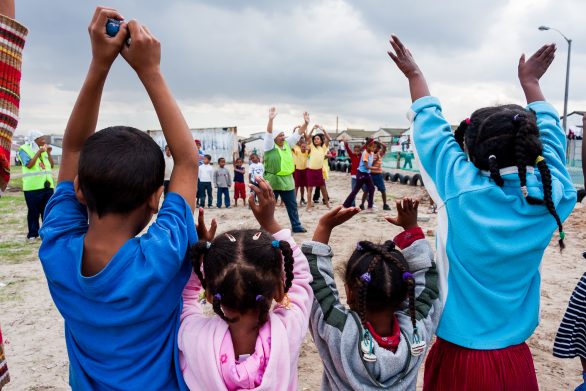
The 100 Homes Project Beacon Valley grew out of a question asked by the staff at Baitul Ansaar Child and Youth Care Centre in Mitchell’s Plain: why do fostered children keep coming back? The 100 Homes Project Beacon Valley was the response, a community survey and intervention that would change how the centre understood and addressed the needs of the families around it.
Origins of the 100 Homes Project Beacon Valley
Baitul Ansaar, established in 2008, is a non-profit organisation providing residential care for approximately 42 children in Beacon Valley, Mitchell’s Plain. It is the largest child and youth care centre of its kind in Cape Town. When children were placed with foster families nearby, the placements frequently broke down. Managing director Bushra Razack initiated the 100 Homes Project Beacon Valley to understand why. In partnership with University of the Western Cape medical students, the centre surveyed 100 homes in the Beacon Valley neighbourhood, asking about finances, food security, employment and daily challenges.
Findings of the 100 Homes Project Beacon Valley
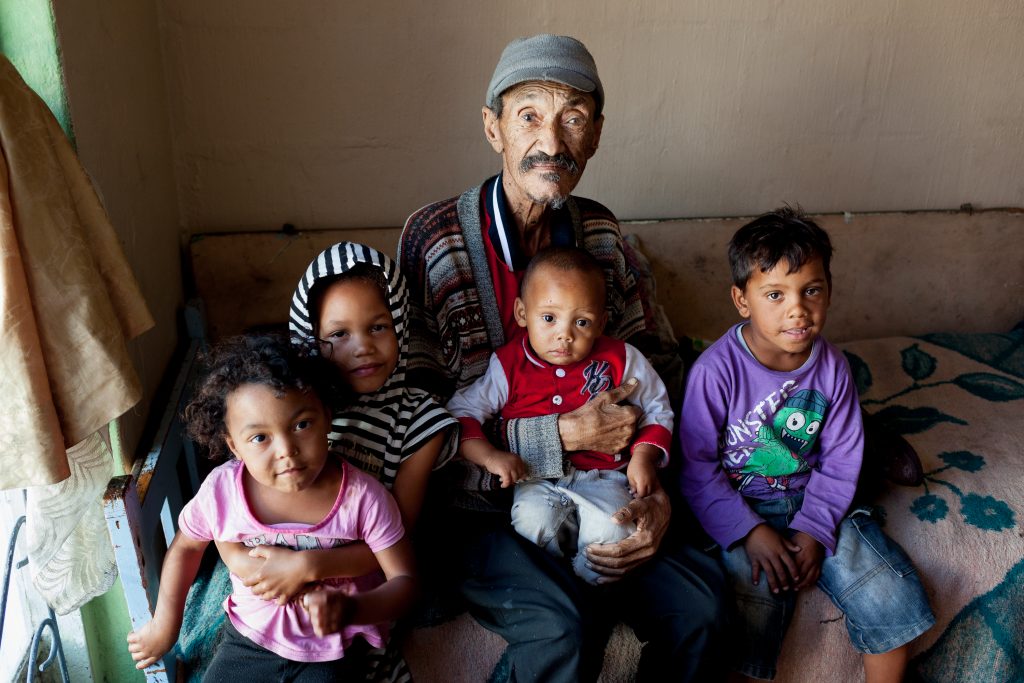
The findings of the 100 Homes Project Beacon Valley survey were stark. Many households did not have food during the last week of the month. Foster parents could not afford to feed an additional child. The problem was structural poverty, not neglect. In a community where household budgets are stretched to breaking and formal employment is scarce, the welfare system’s assumption that foster families can absorb the costs of care was fundamentally flawed. The 100 Homes Project Beacon Valley revealed that the welfare of a child cannot be separated from the welfare of the household, and the household cannot be separated from the community.
Interventions from the 100 Homes Project Beacon Valley
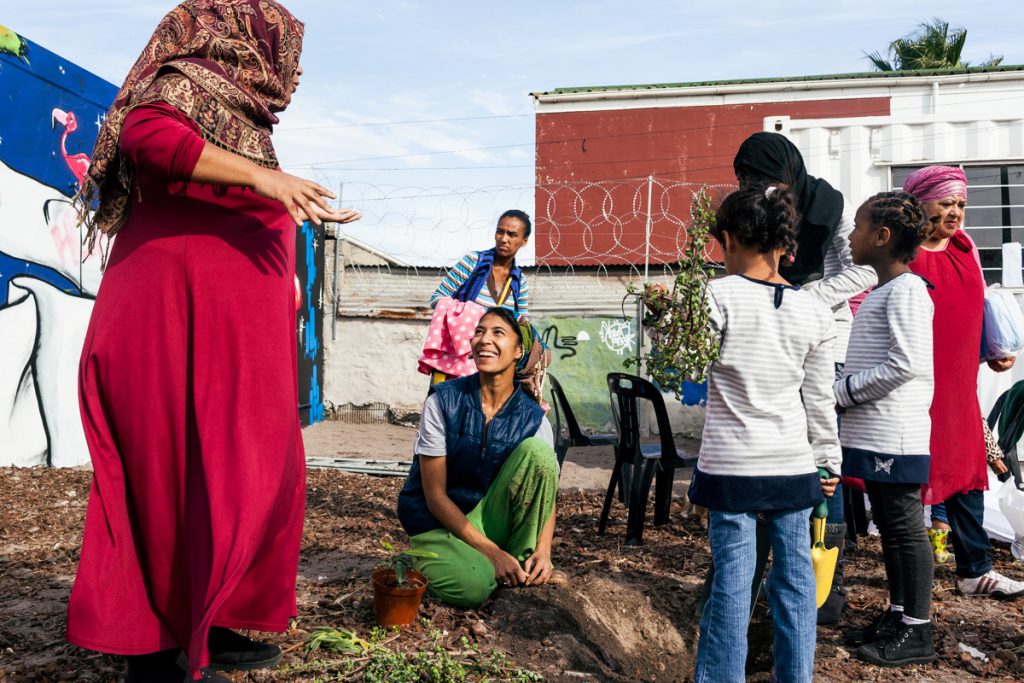
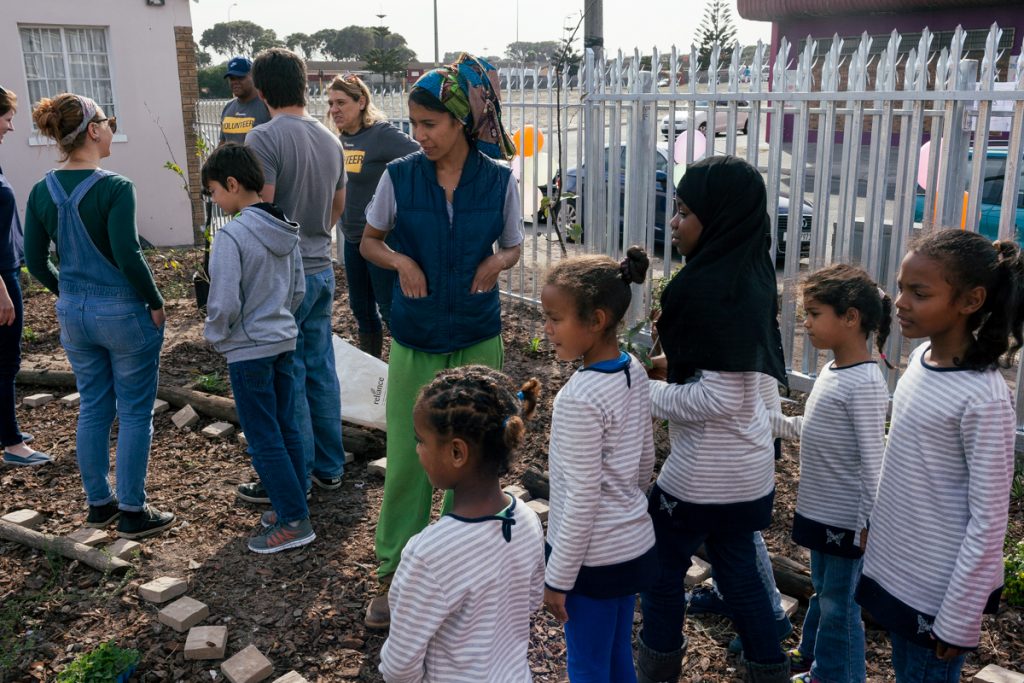
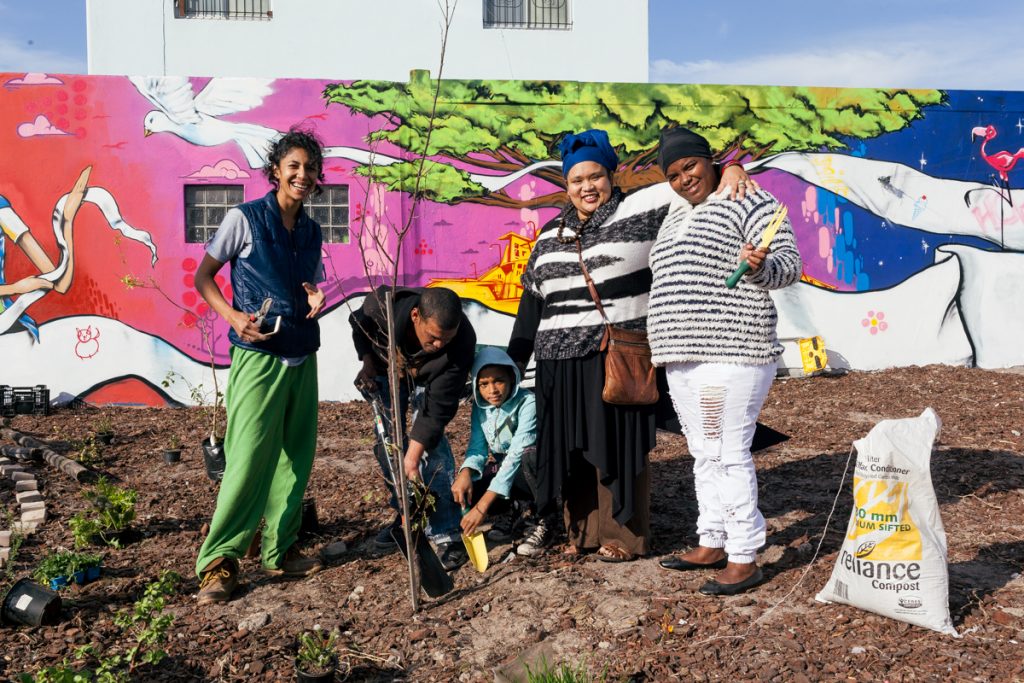
The 100 Homes Project Beacon Valley led to practical interventions. Rather than operating solely within the walls of the centre, Baitul Ansaar extended into the community. A food garden was established. A community exchange programme was launched, allowing residents to trade skills and goods outside the cash economy. The model of the 100 Homes Project Beacon Valley recognised that conventional welfare approaches are not enough in a community like Beacon Valley, where the formal economy excludes the majority of residents. Mitchell’s Plain was established in the 1970s for Coloured families displaced under the Group Areas Act and has one of the highest violent crime rates in the Western Cape.
Photographing the 100 Homes Project Beacon Valley
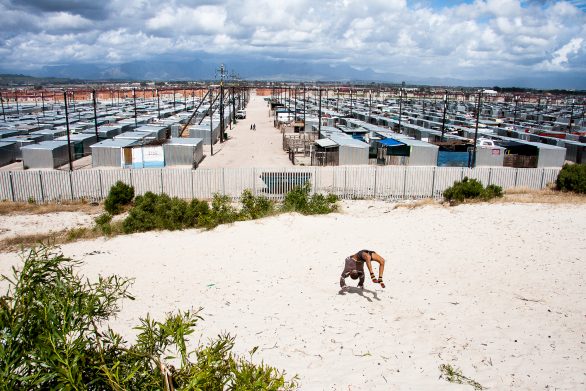
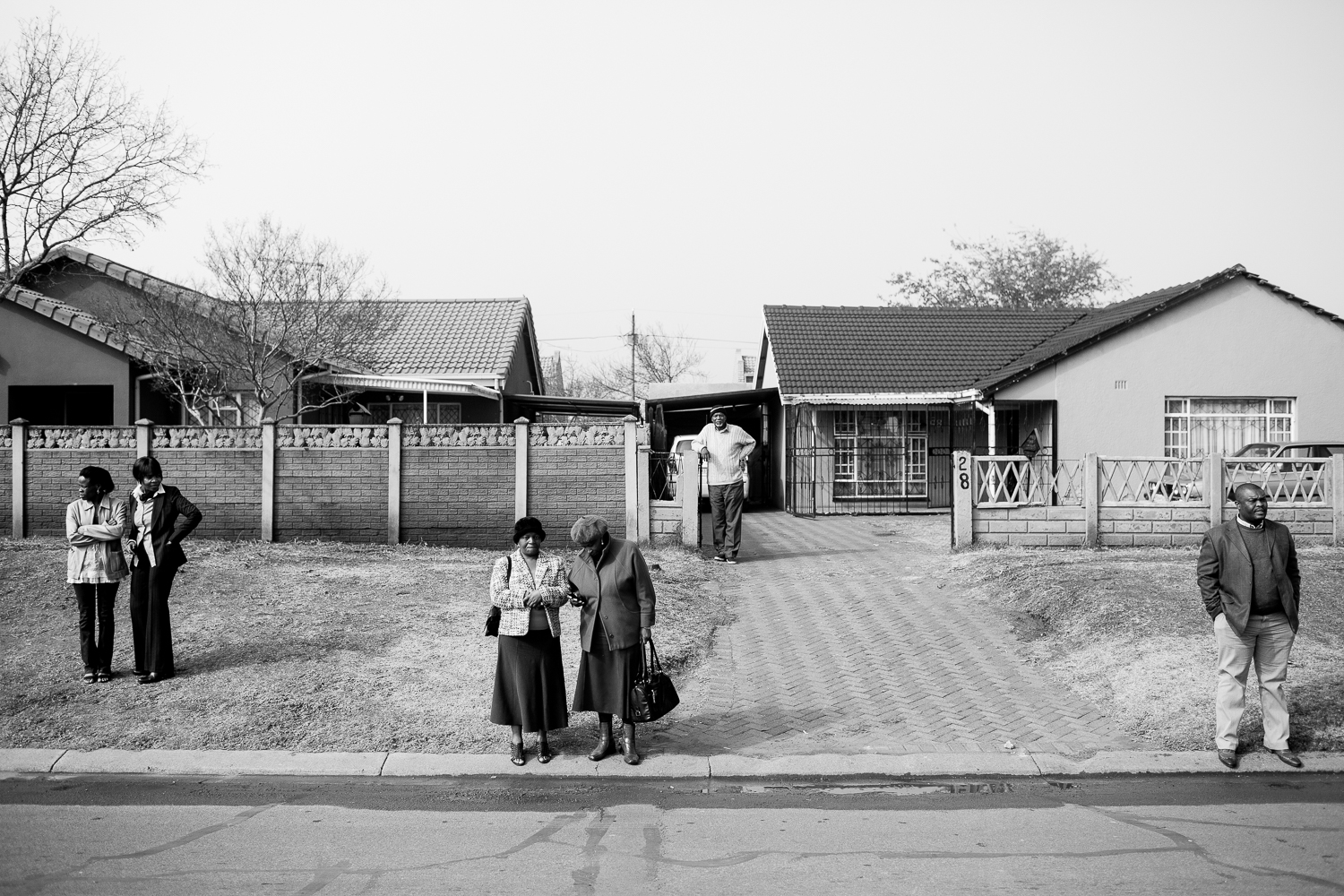
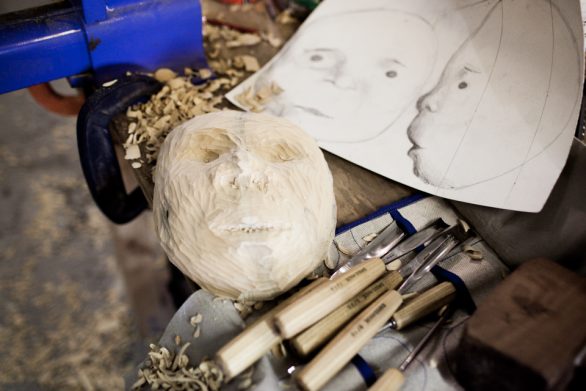
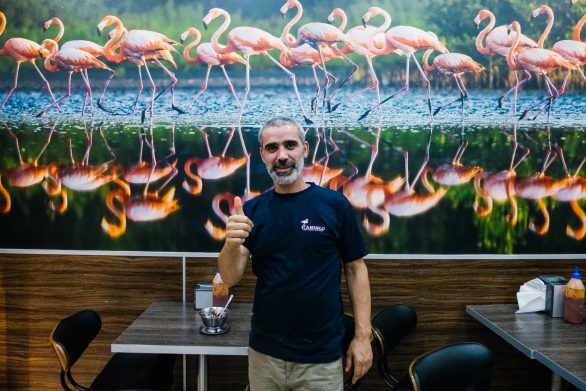
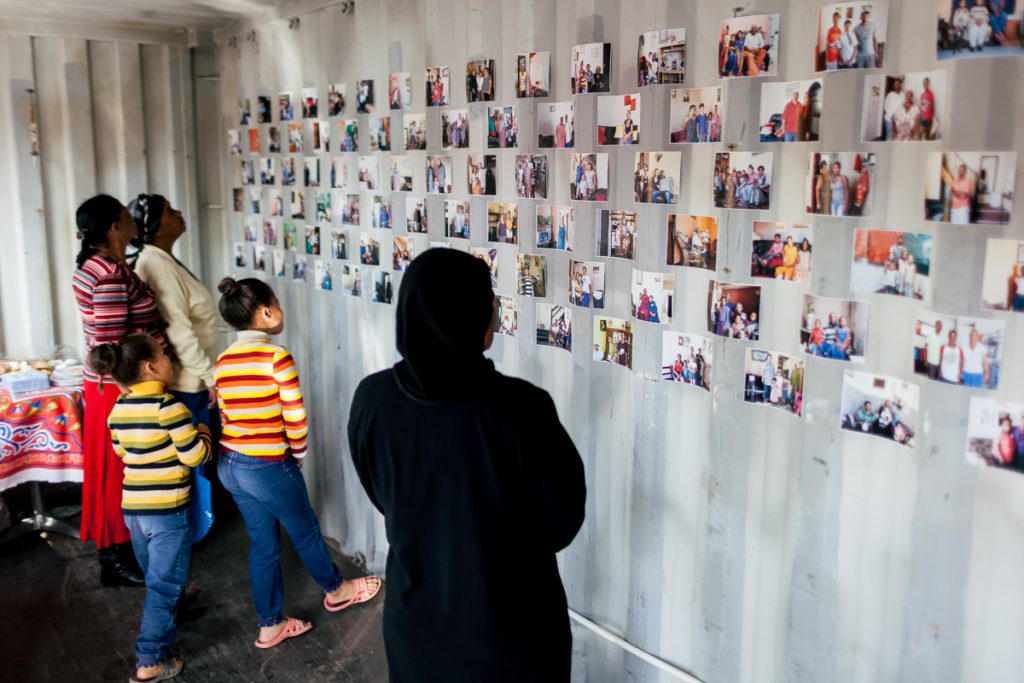
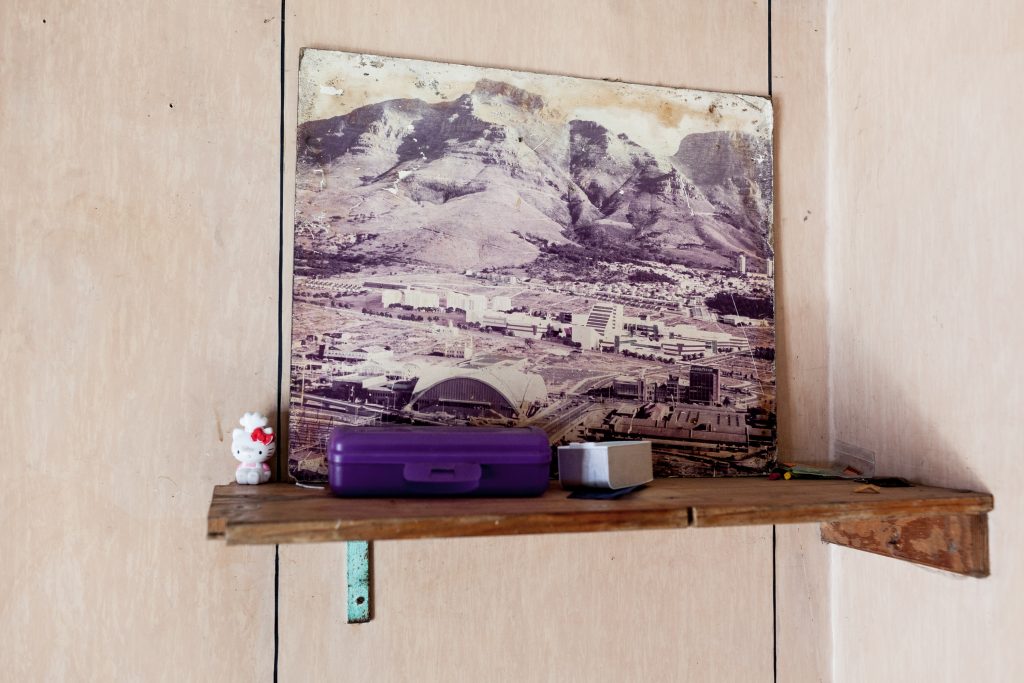
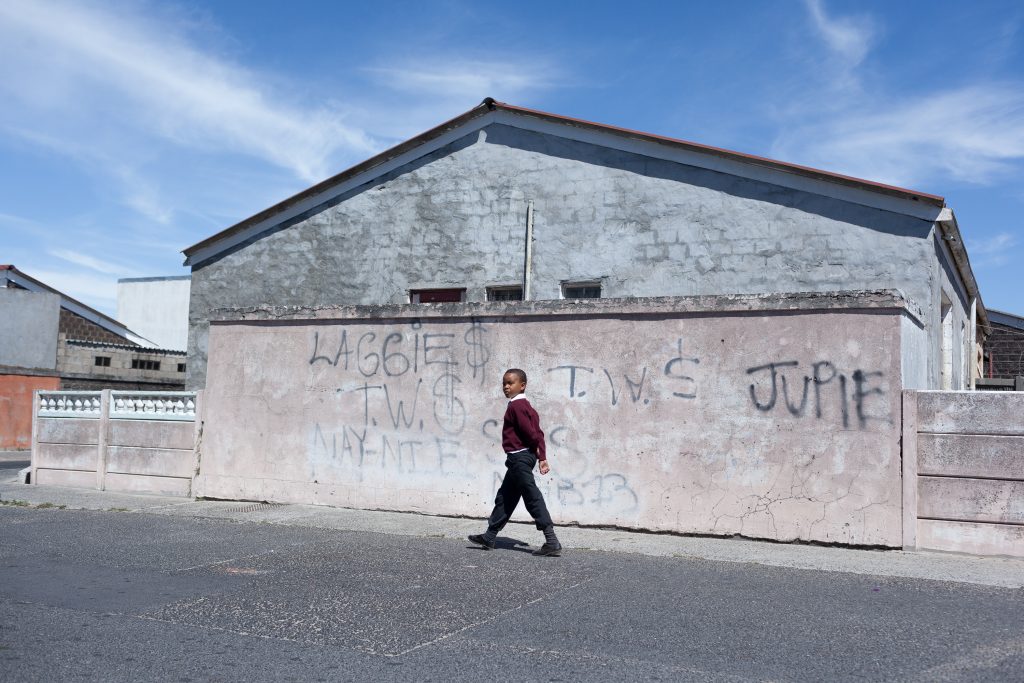
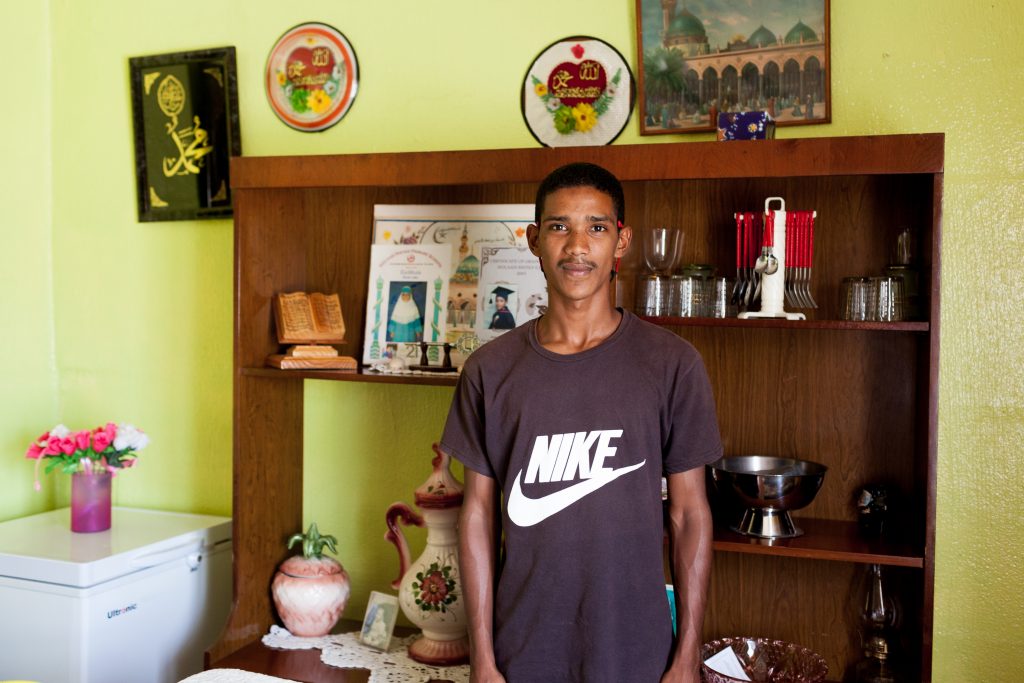
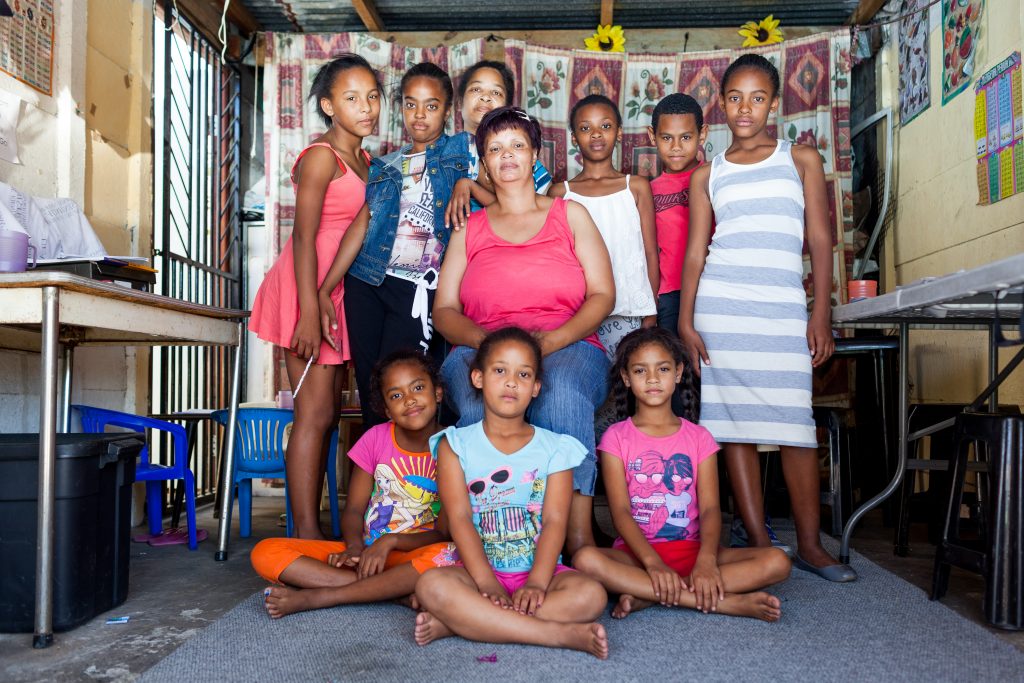
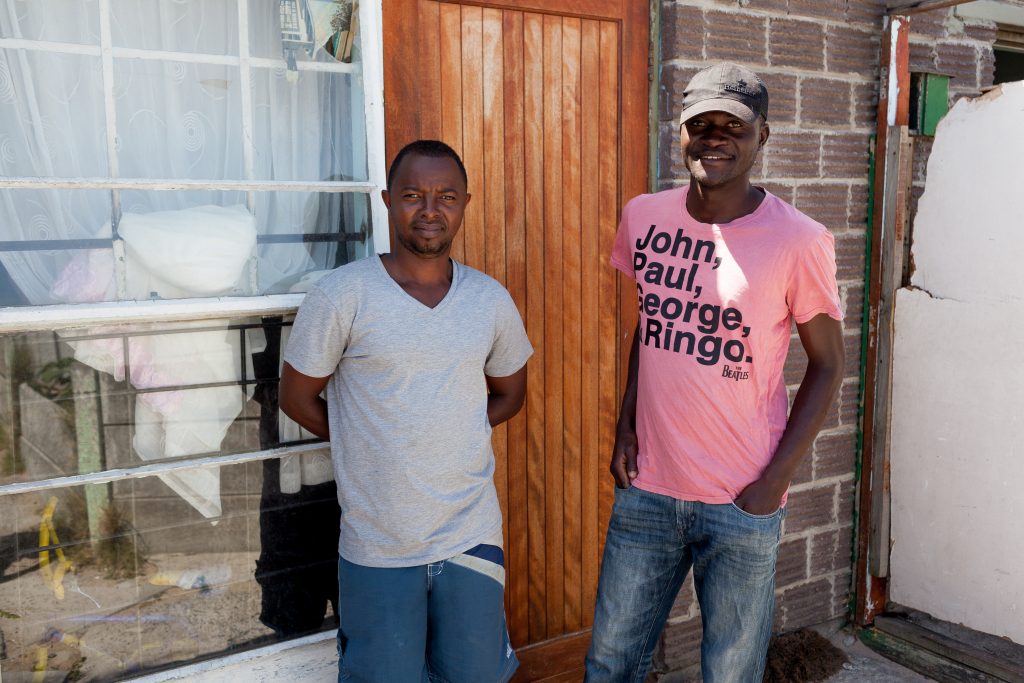
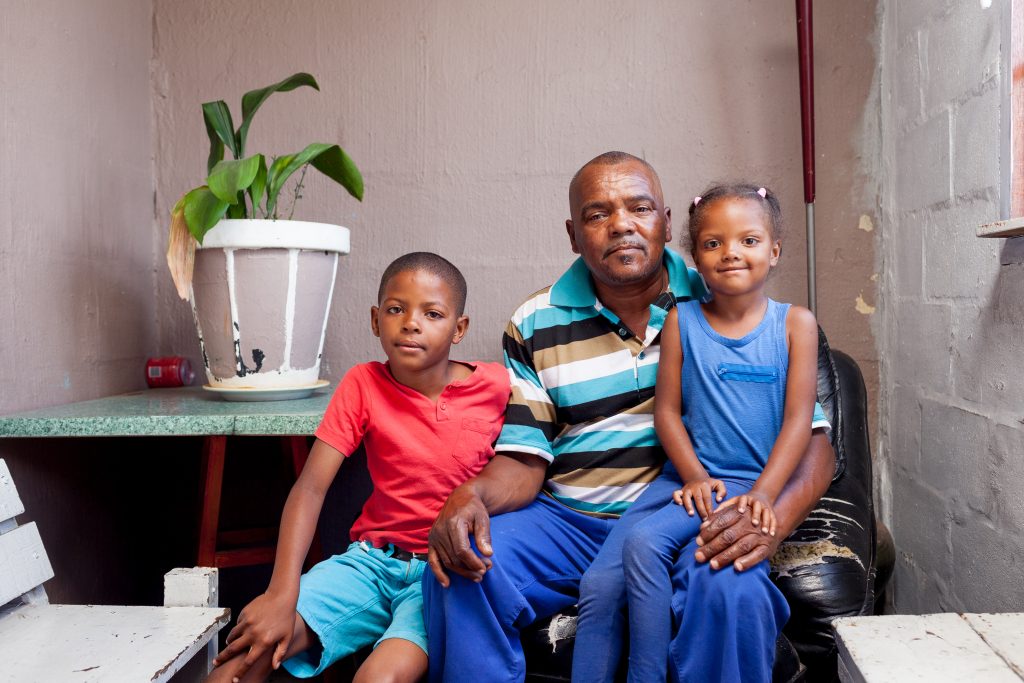
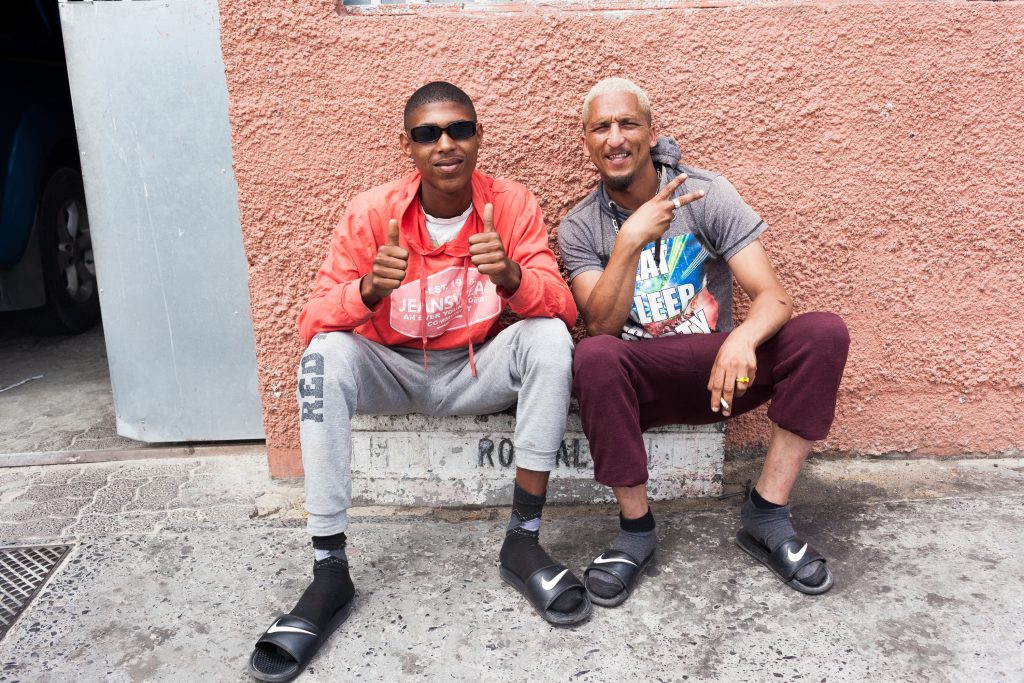
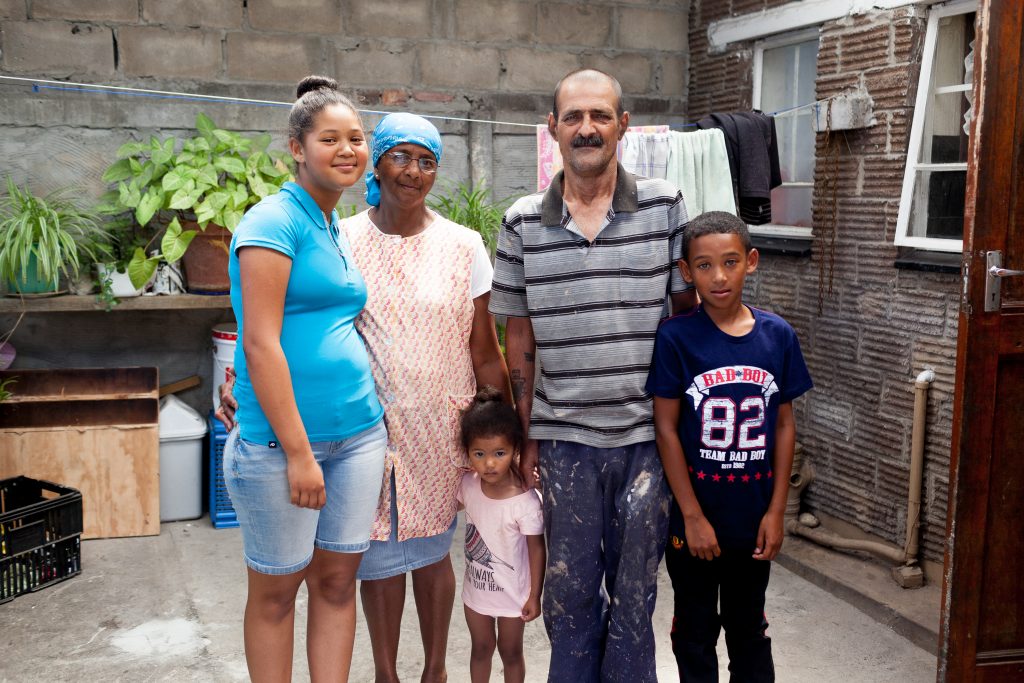
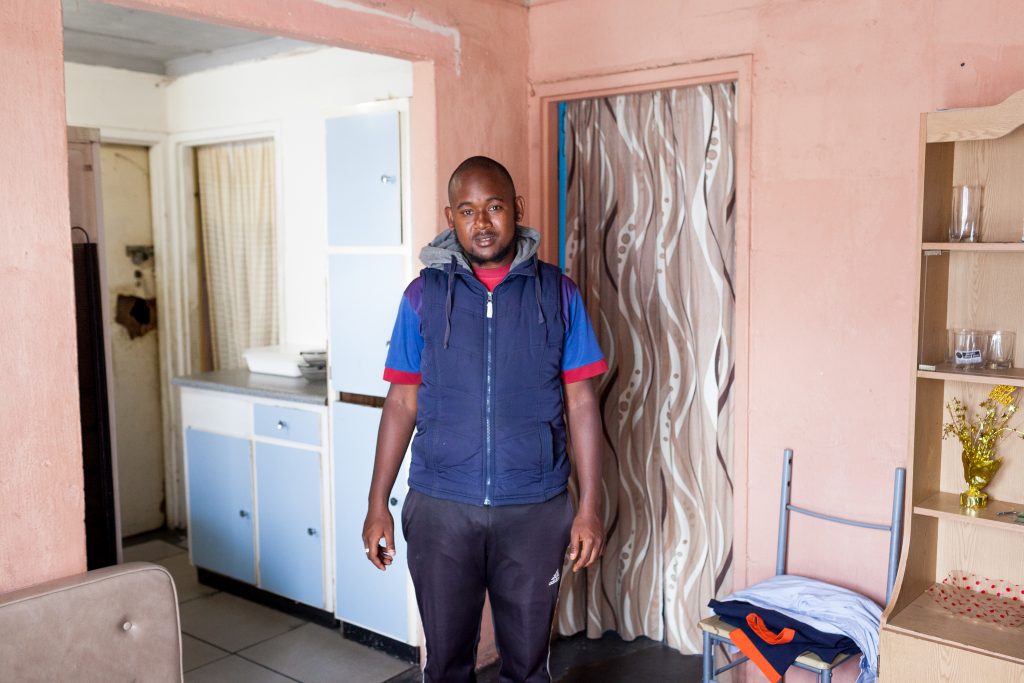
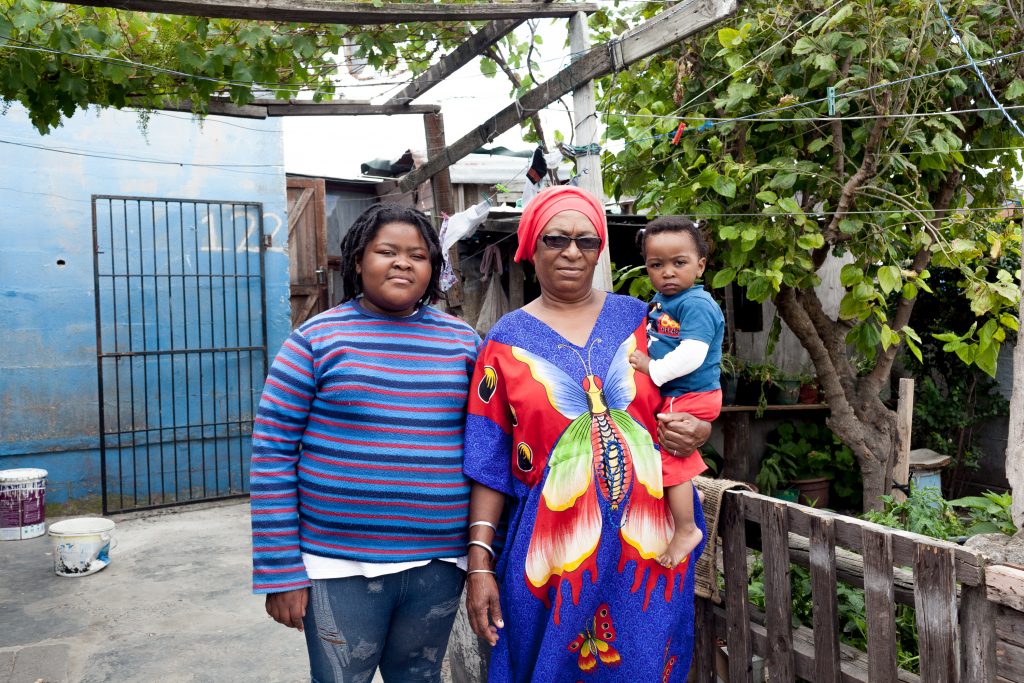
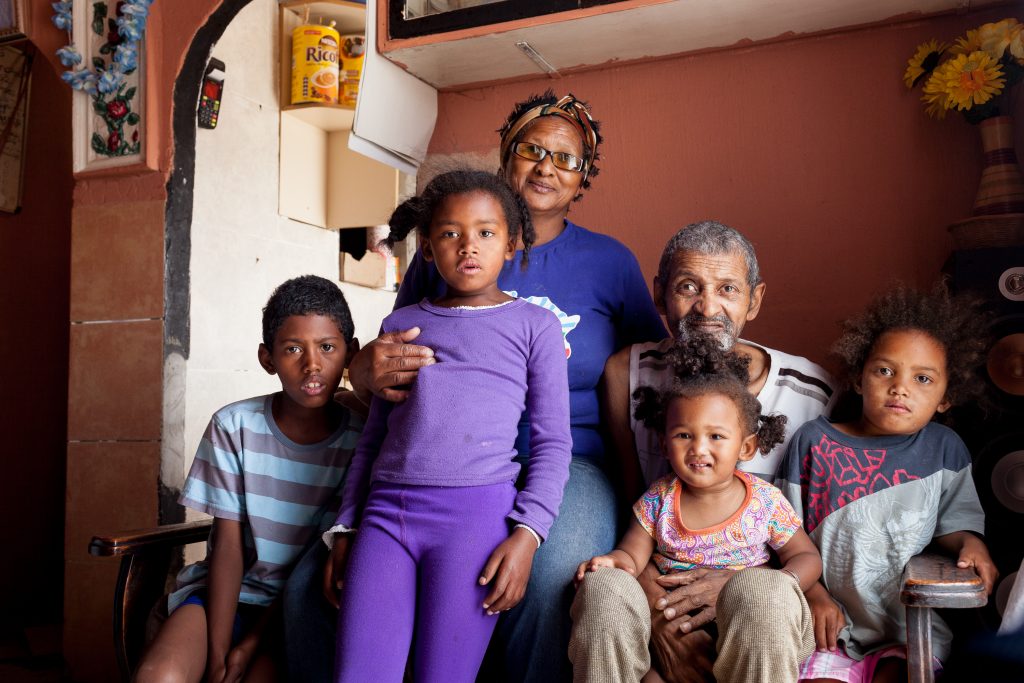
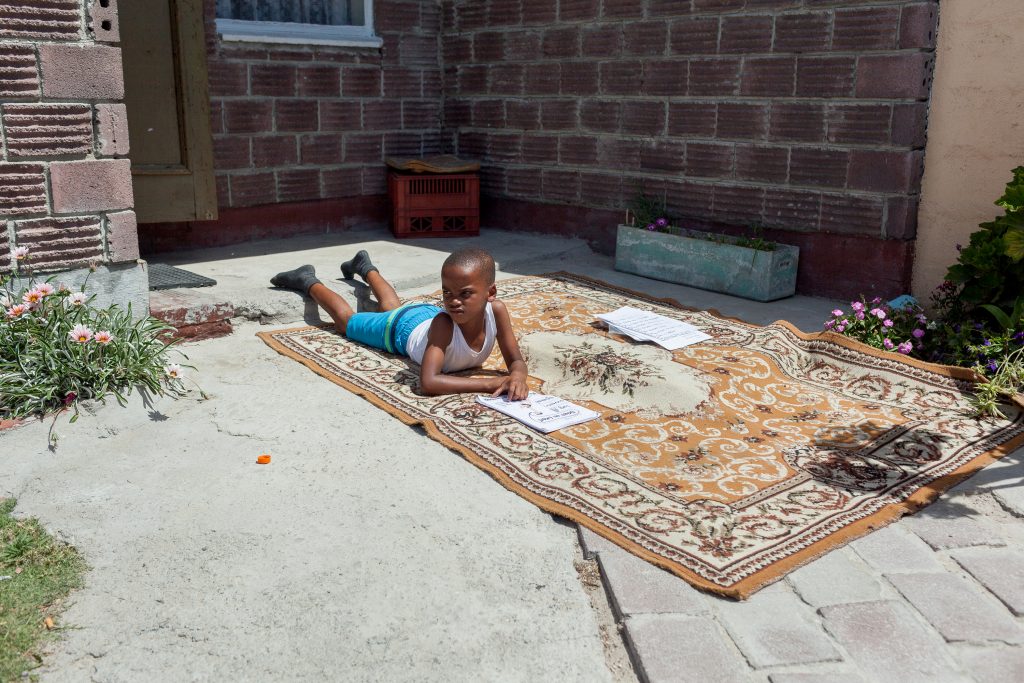
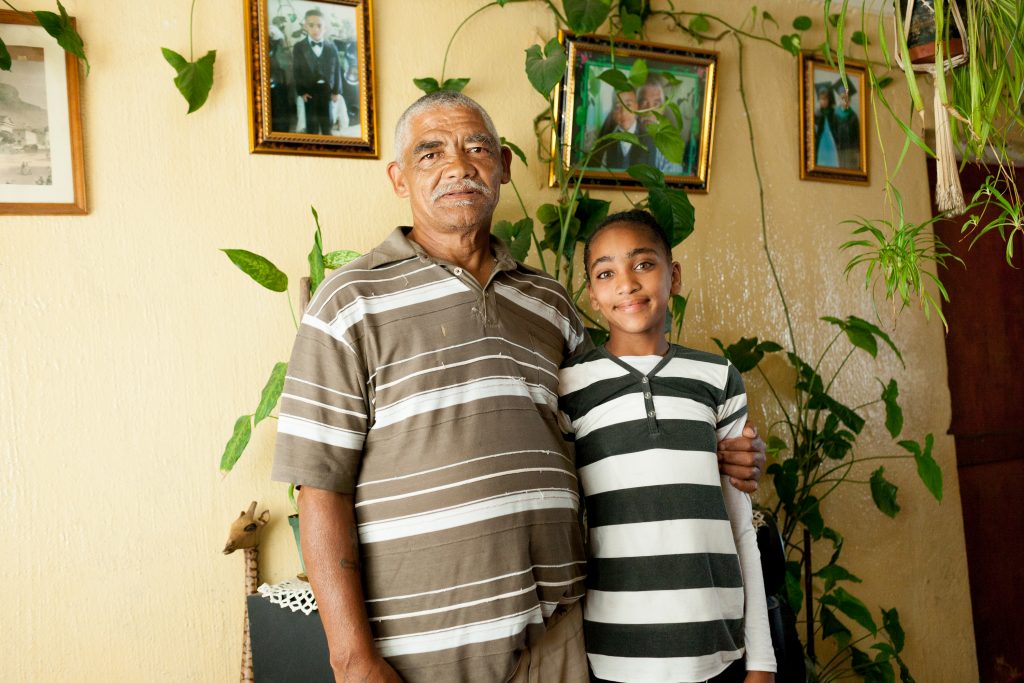
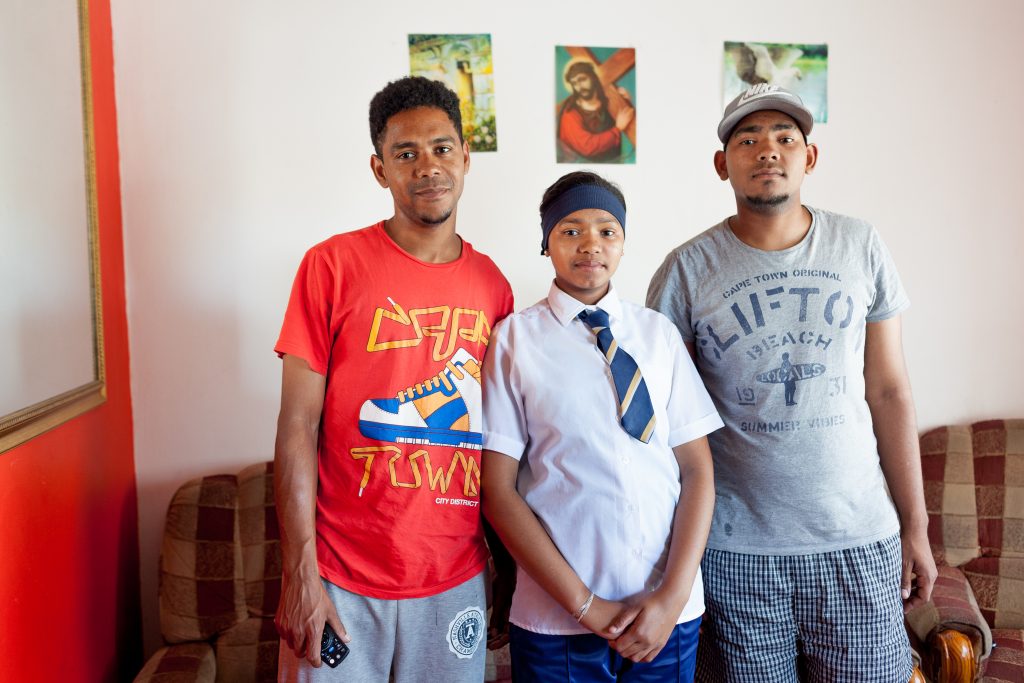
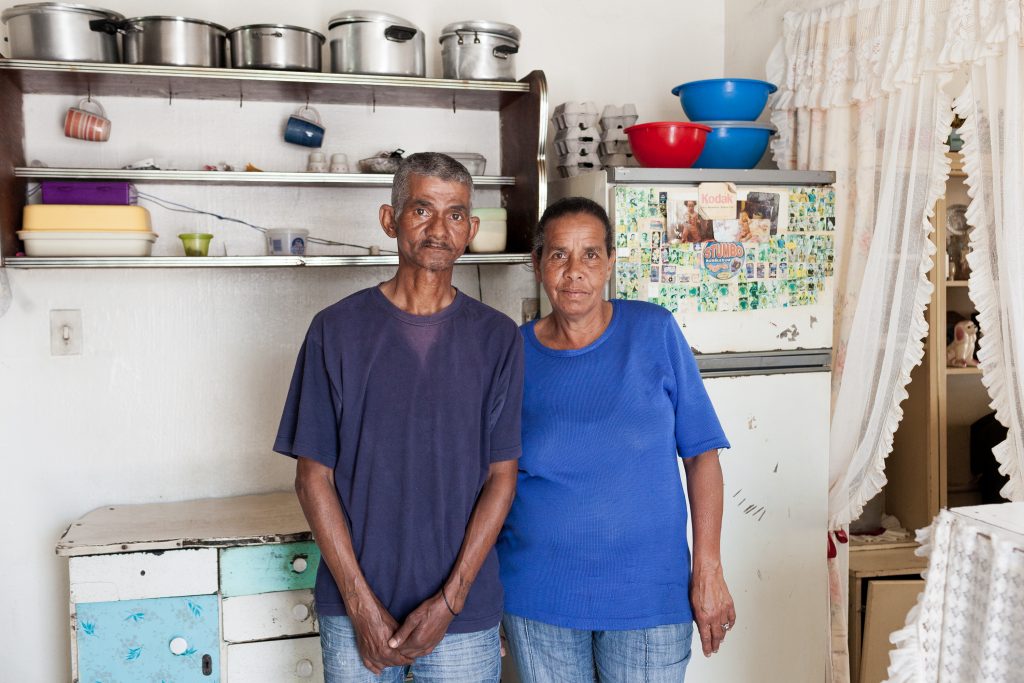
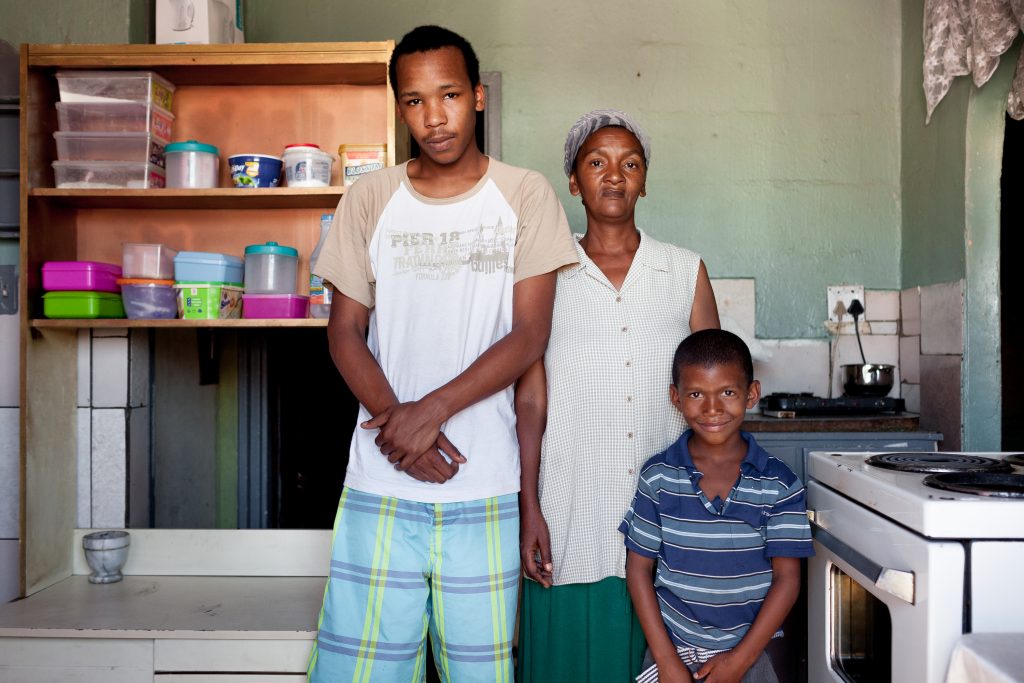
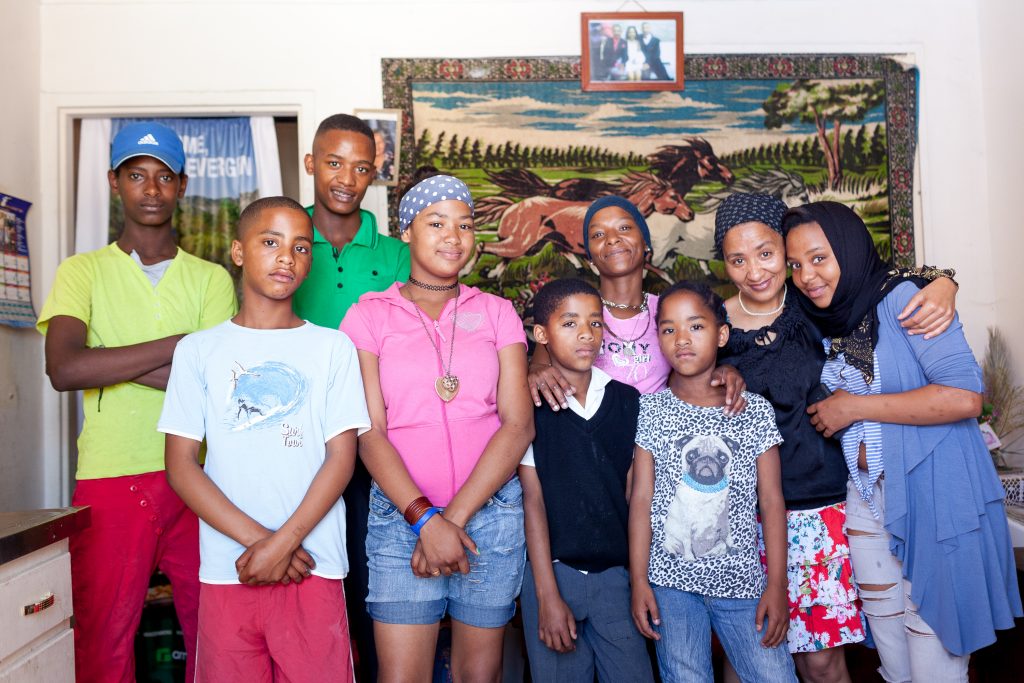
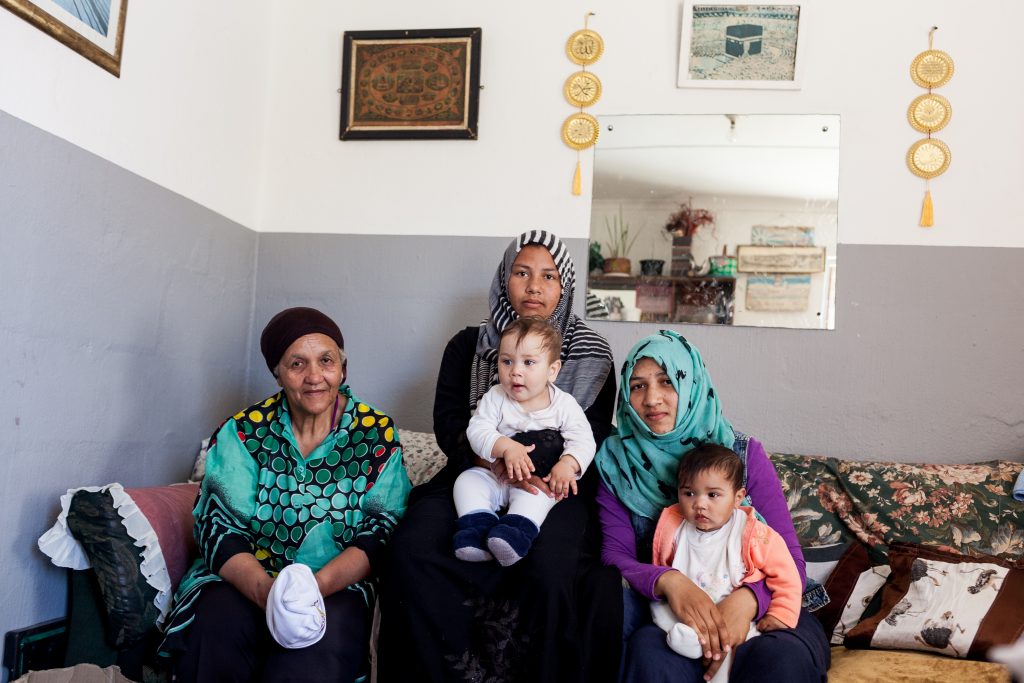
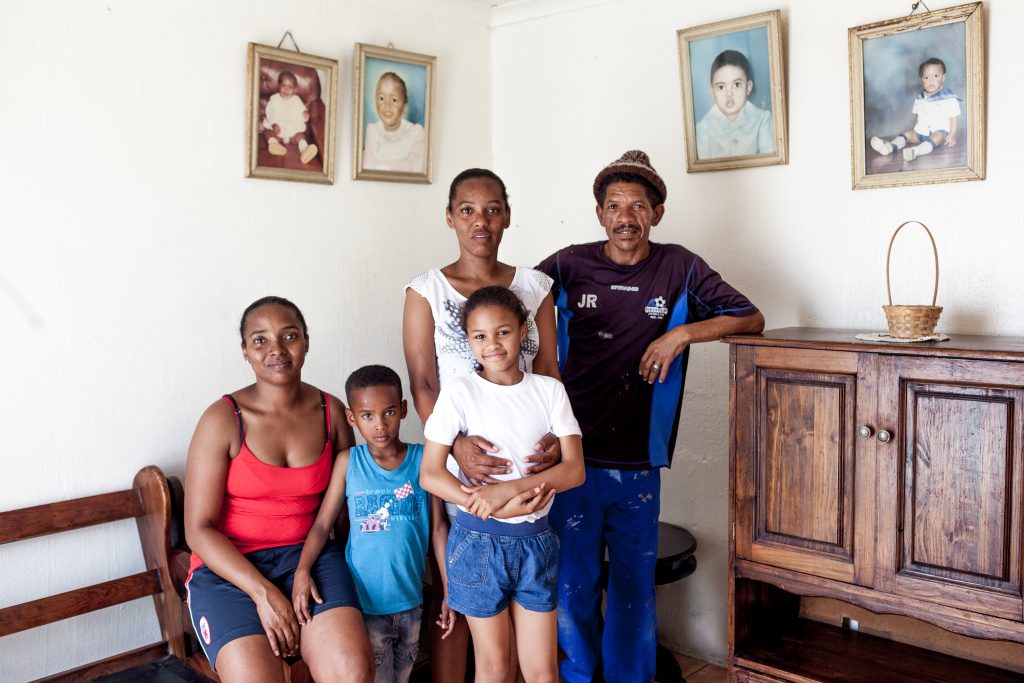
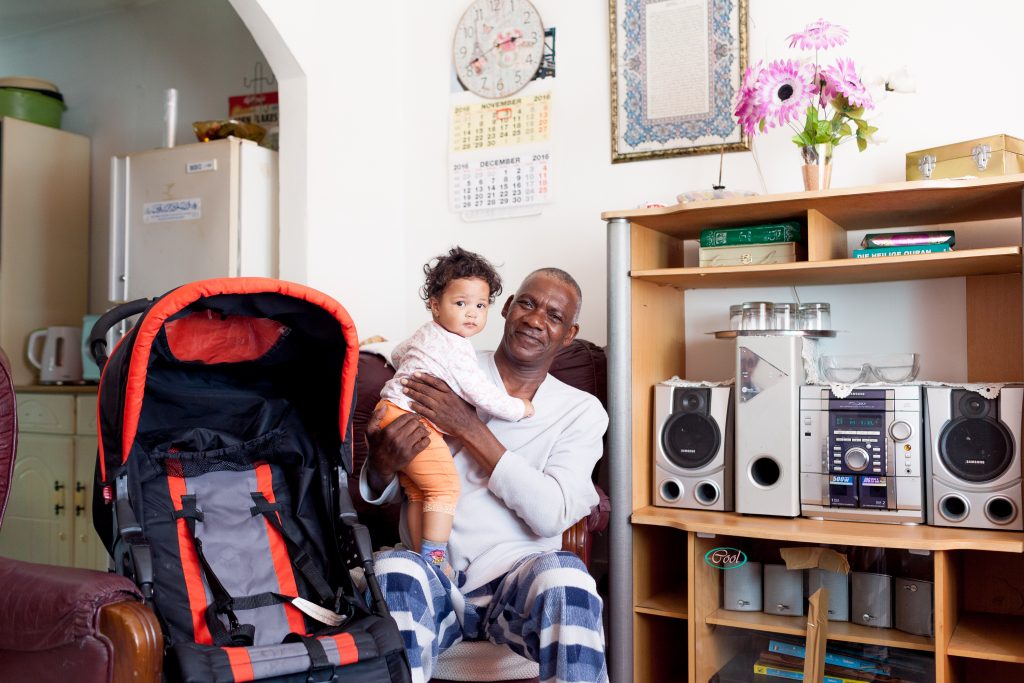
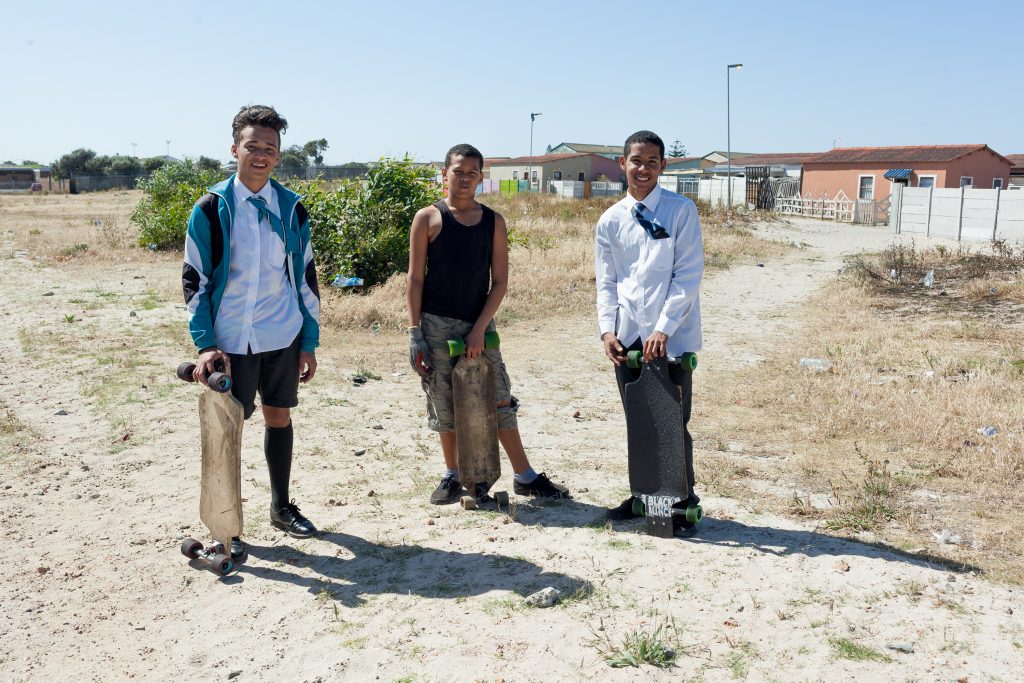
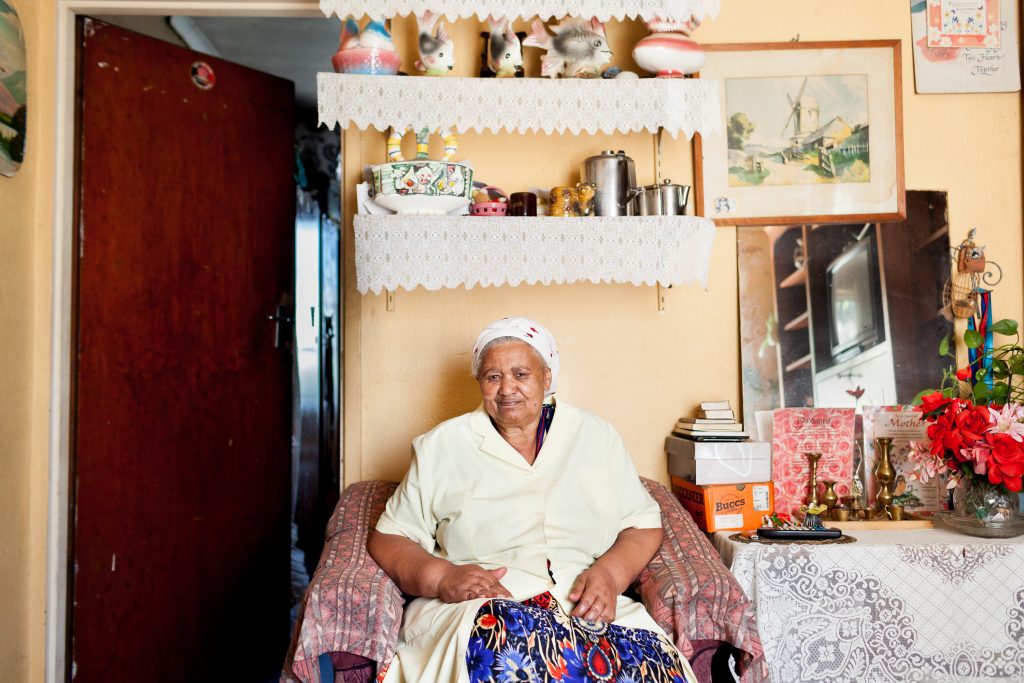
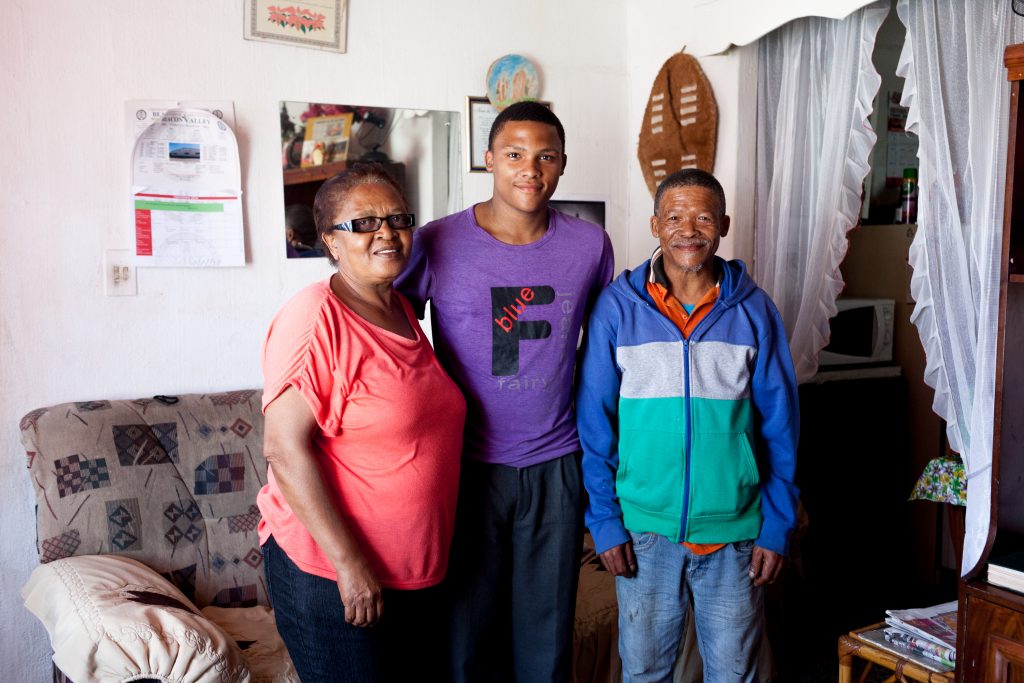
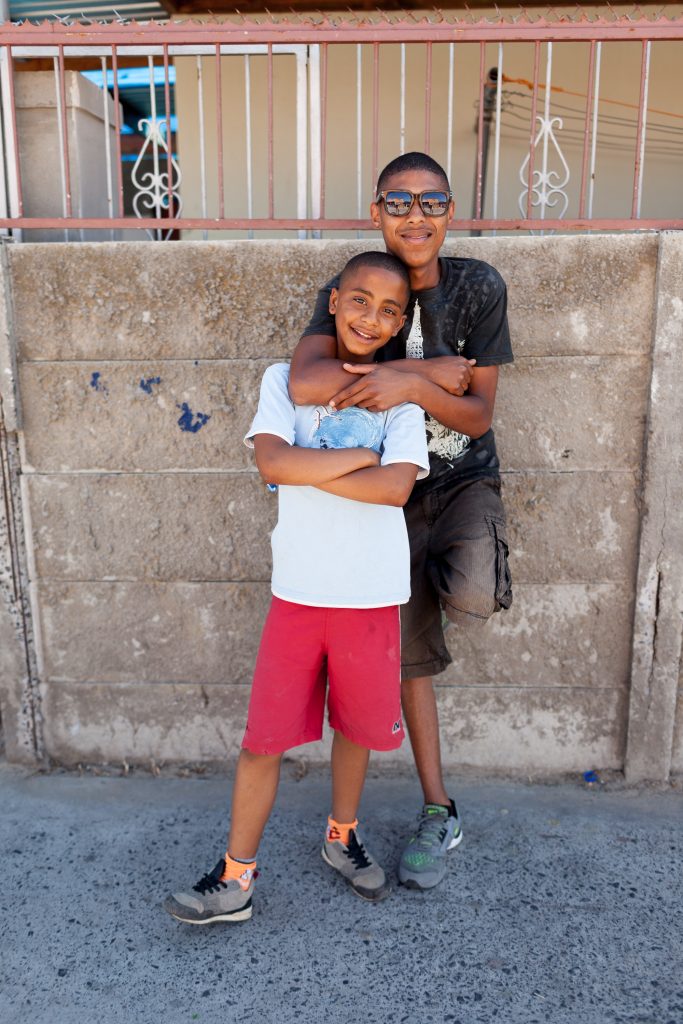
These photographs were taken during visits to each of the 100 homes identified by the 100 Homes Project Beacon Valley. They are portraits of families, interiors and the material conditions of daily life in one of Mitchell’s Plain’s most under-resourced areas. The images of the 100 Homes Project Beacon Valley do not sensationalise. They document the homes as they are, and the people who live in them, with the understanding that this project is a community looking inward and taking care of its own.
Related projects: Joining Hands Tafelsig Mitchell’s Plain, Passion Gap Cape Flats, Blikkiesdorp Cape Town
Outbound Links:
- Baitul Ansaar: https://www.baitulansaar.org
- Mitchell’s Plain (SAHO): https://sahistory.org.za/place/mitchells-plain-cape-flats
- Forced Removals in South Africa (SAHO): https://sahistory.org.za/article/forced-removals-south-africa
- Community exchange system: https://en.wikipedia.org/wiki/Community_exchange_system
- University of the Western Cape: https://en.wikipedia.org/wiki/University_of_the_Western_Cape