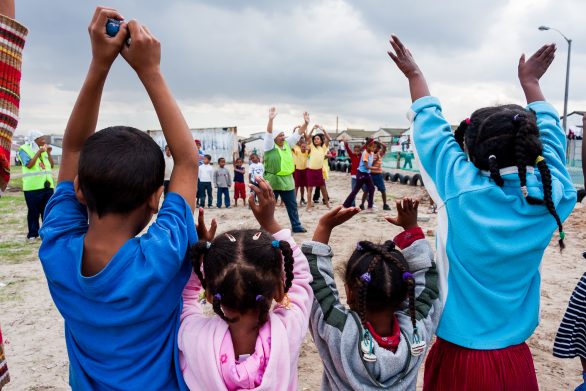
Johannesburg documentary photography requires a different approach to working in Cape Town. The two cities move at entirely different frequencies. Where Cape Town is shaped by the mountain and the ocean and the long distances between its historically separated communities, Johannesburg is dense, vertical and restless. It is a city built on gold mining and migrant labour, where wealth and poverty exist in closer physical proximity than almost anywhere else in South Africa.
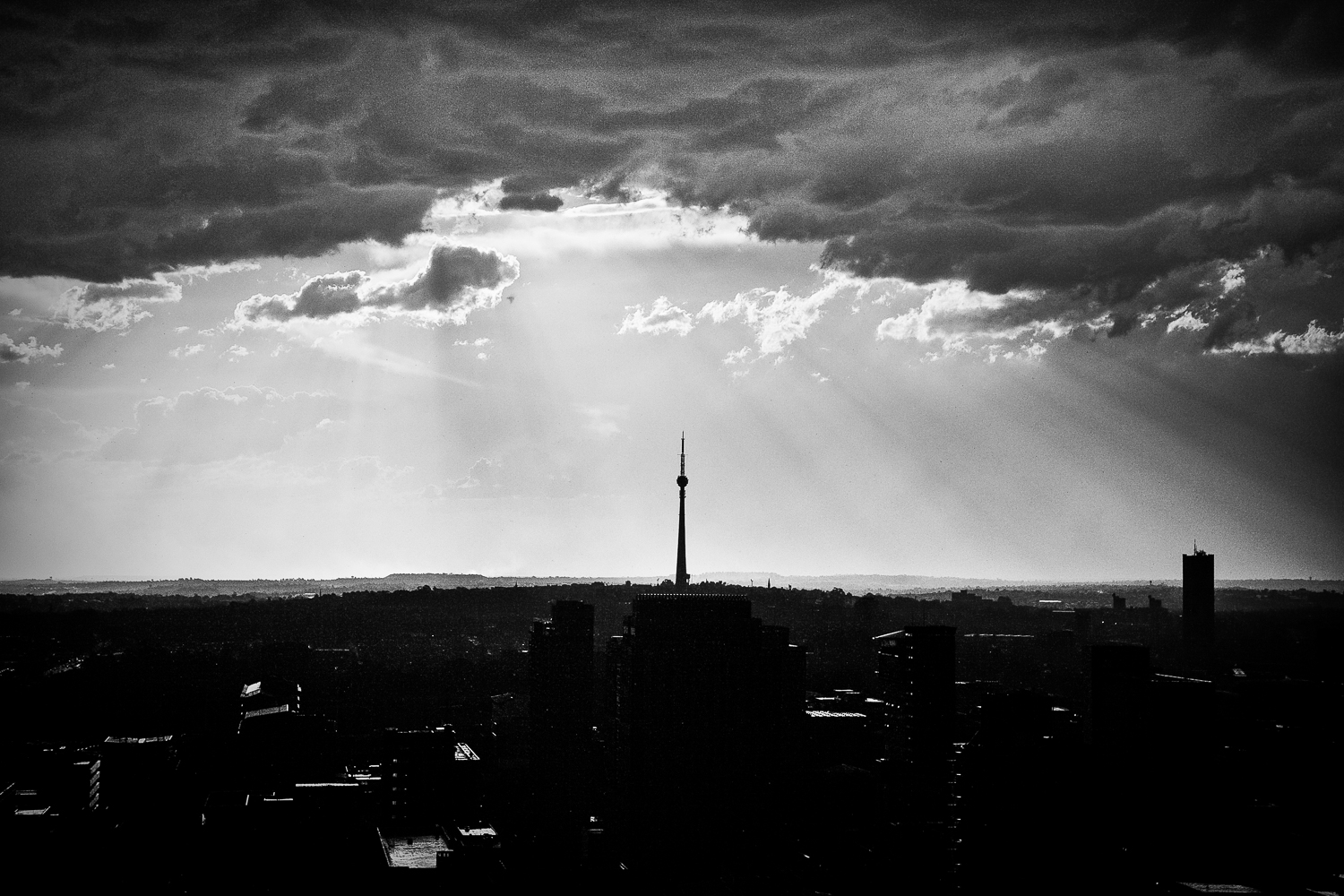
The Visual Language of Johannesburg Documentary Photography
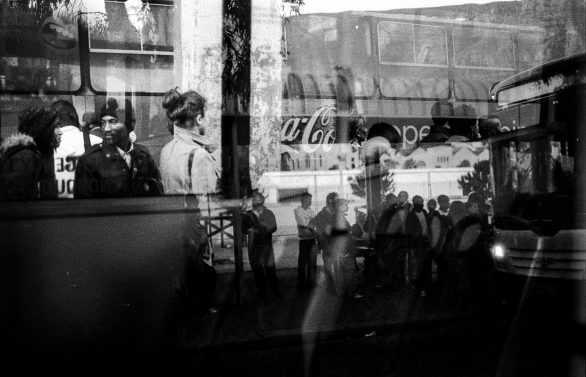
The Highveld light in Johannesburg is sharper and more direct than the coastal light of the Western Cape. It falls differently on buildings and faces, producing a visual quality that is harder and more immediate. Johannesburg does not perform for the camera the way Cape Town sometimes does. Cape Town has Table Mountain, the Atlantic seaboard, the Winelands. Johannesburg’s character reveals itself in motion: in the rhythm of its minibus taxis navigating the M1, in the hawkers at traffic intersections, in the way people occupy space that is constantly being remade. For Johannesburg documentary photography, you adapt or miss the moment.
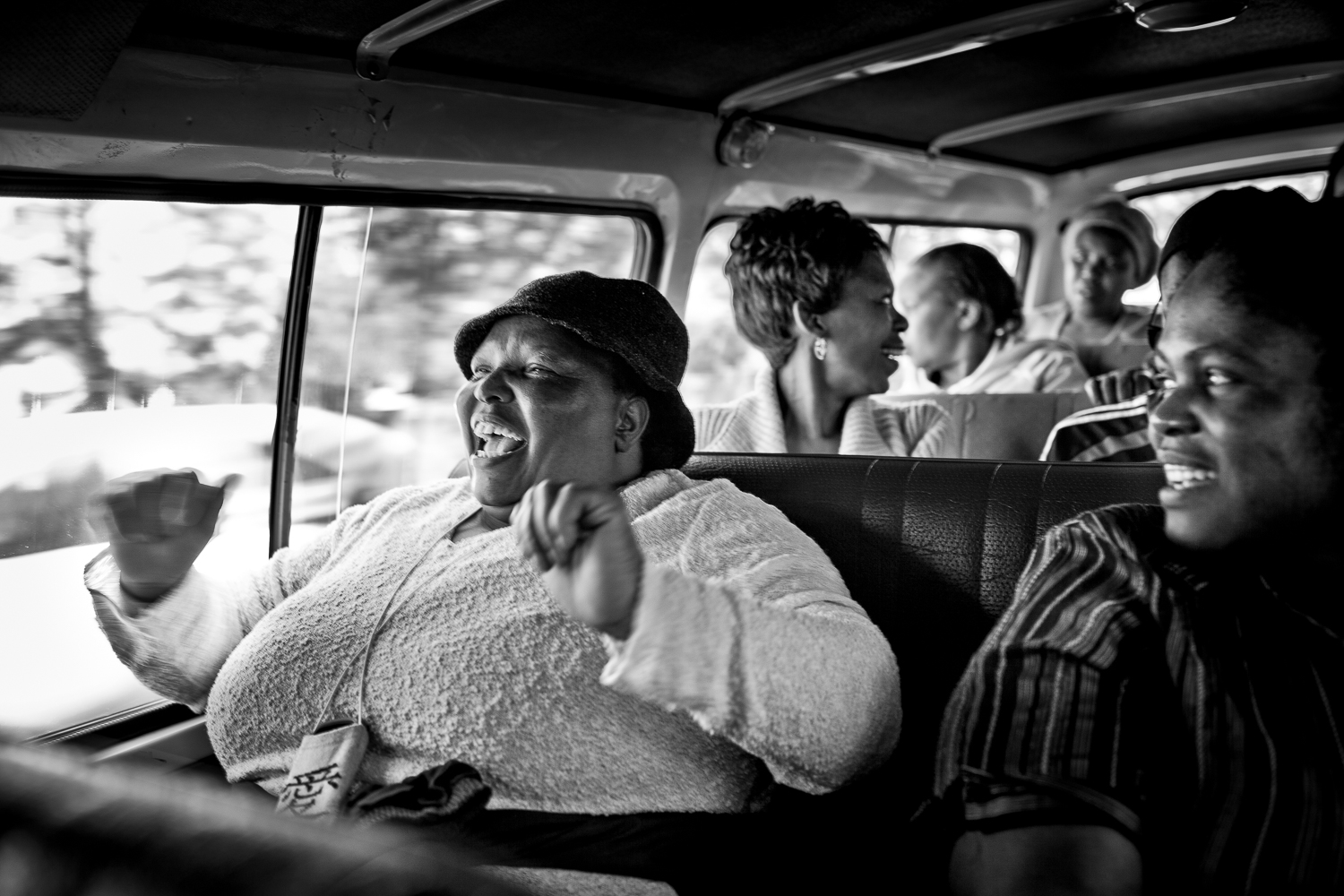
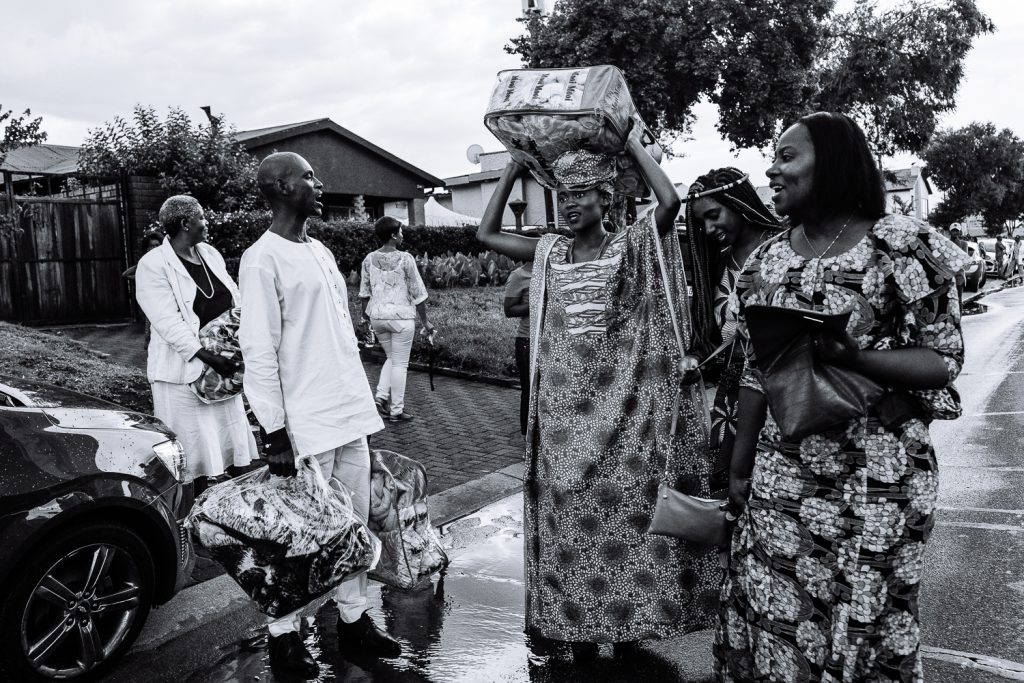
Weddings, Family and City Life
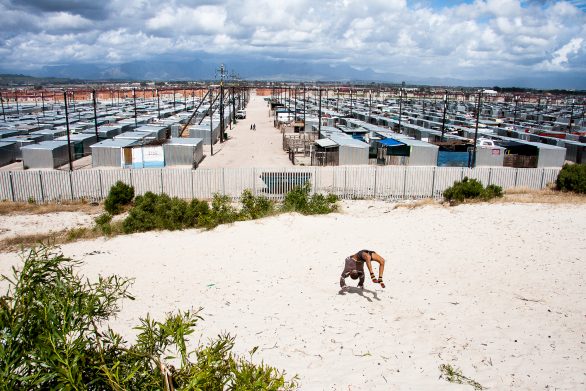
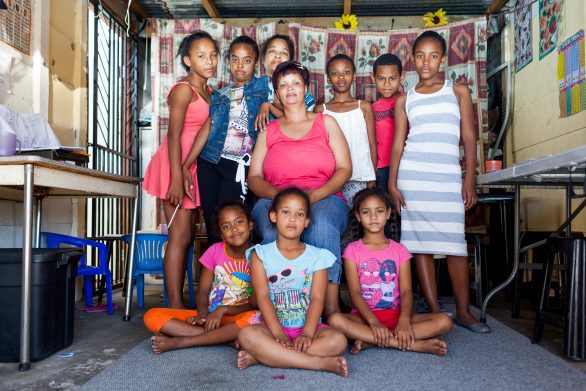
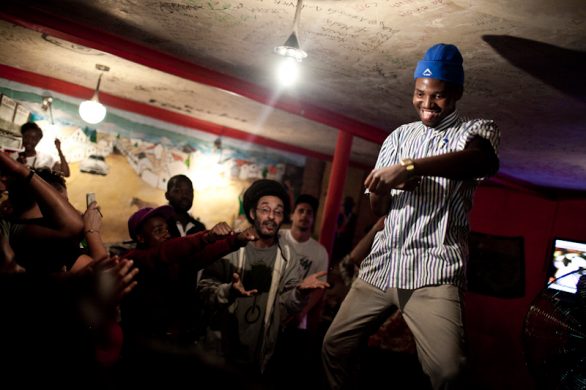
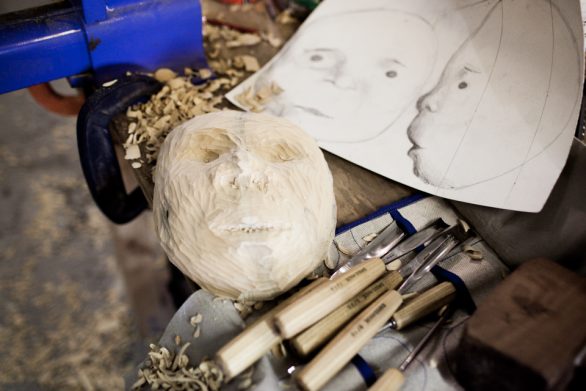
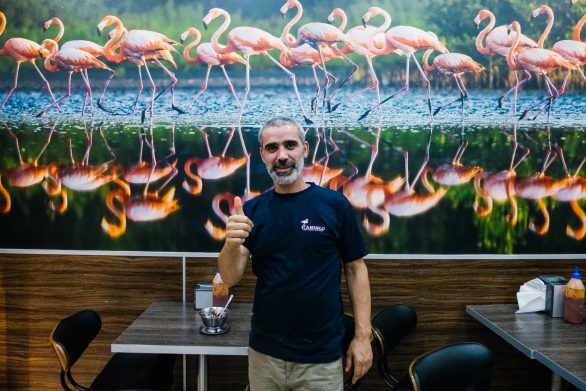
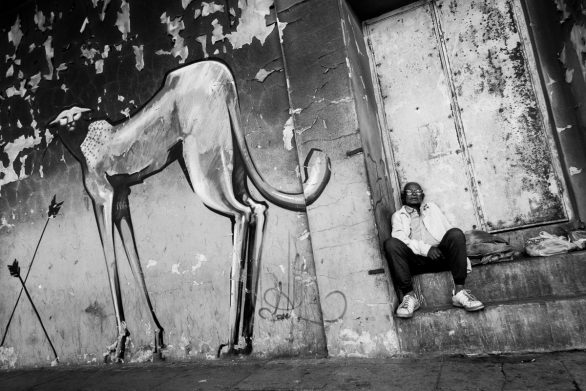
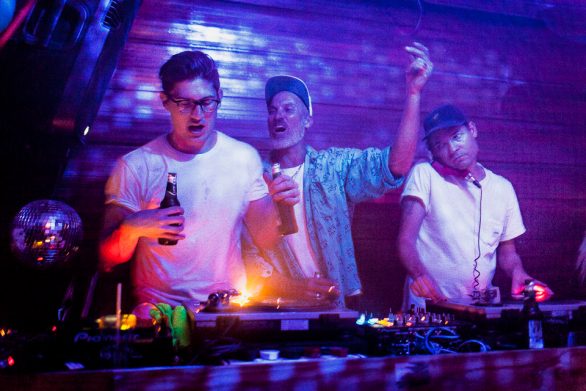
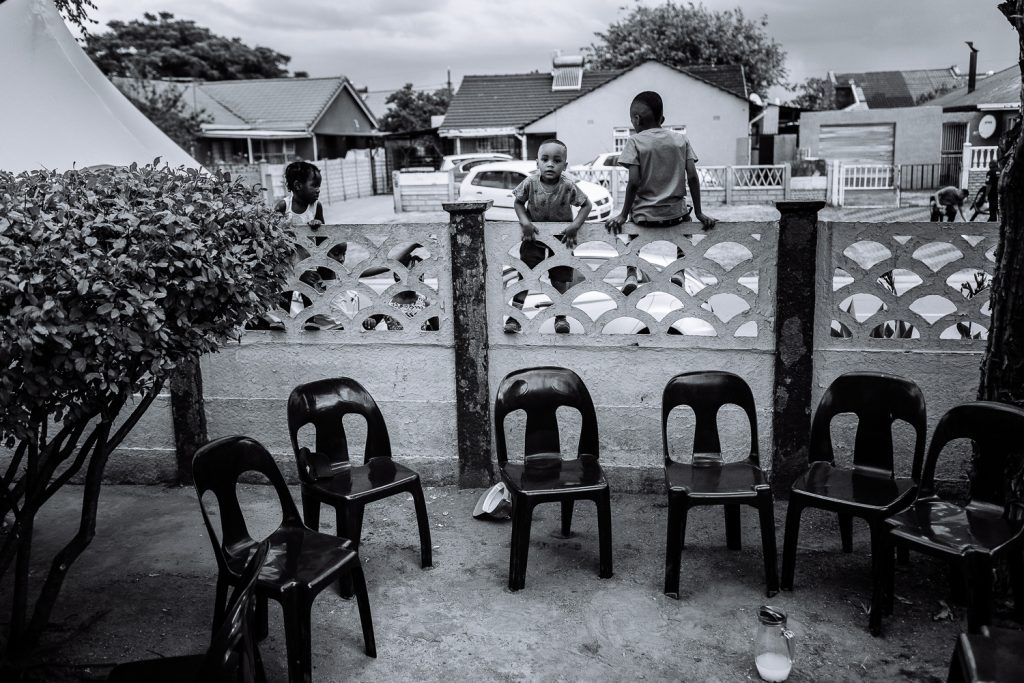
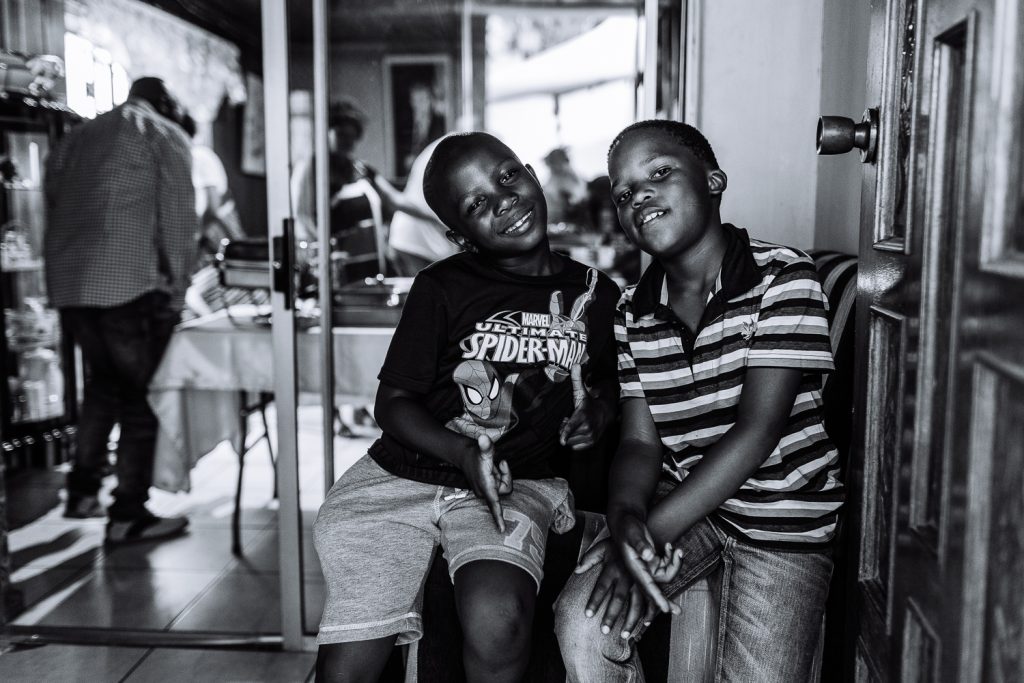
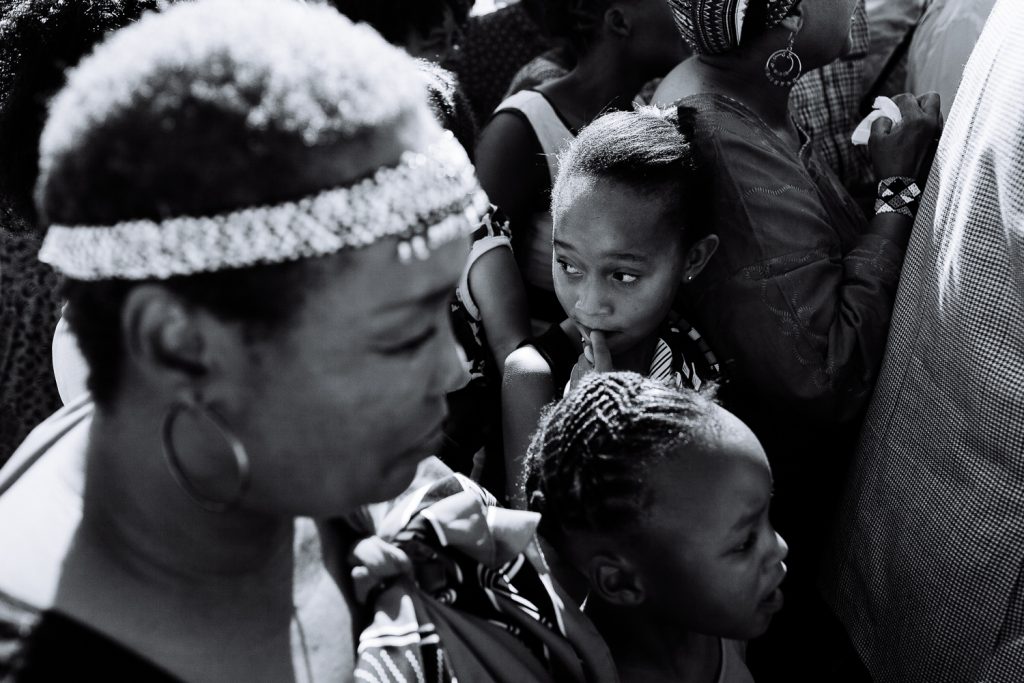
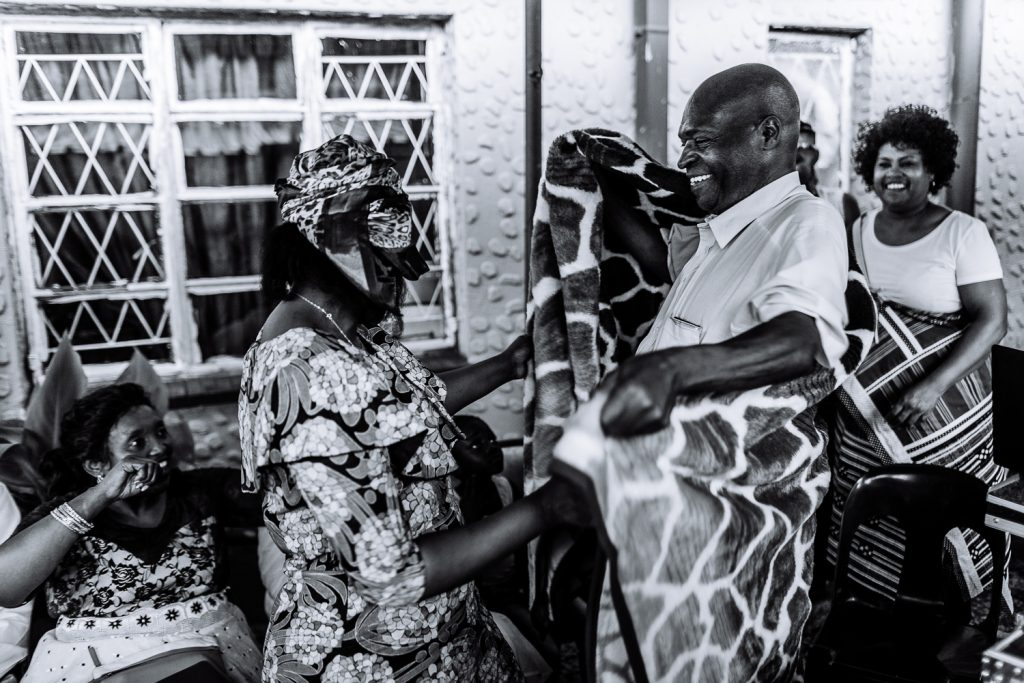
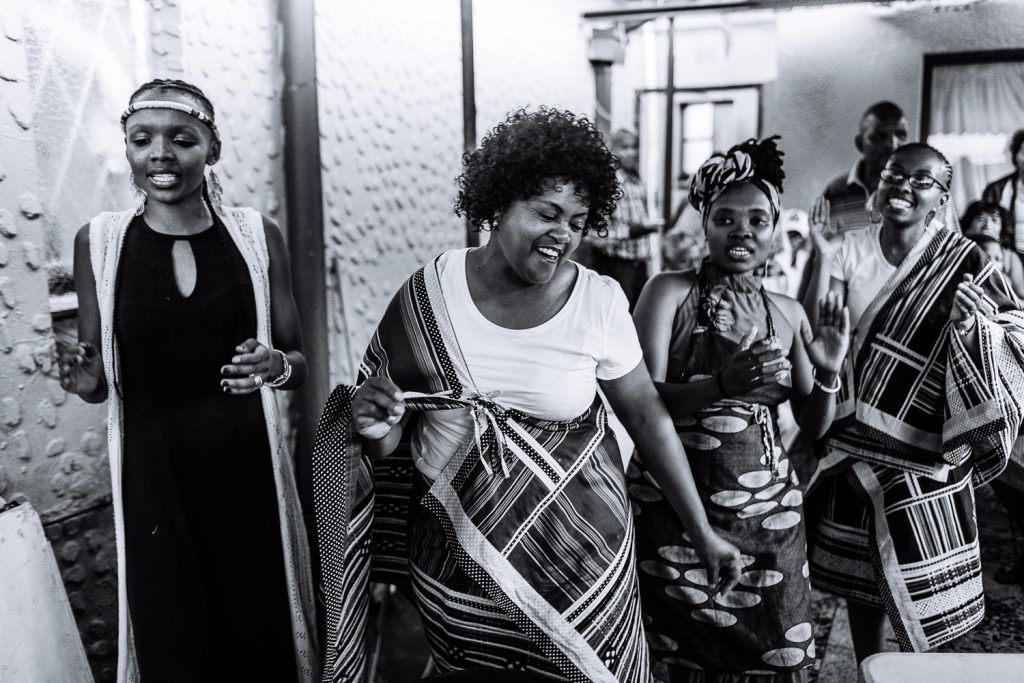
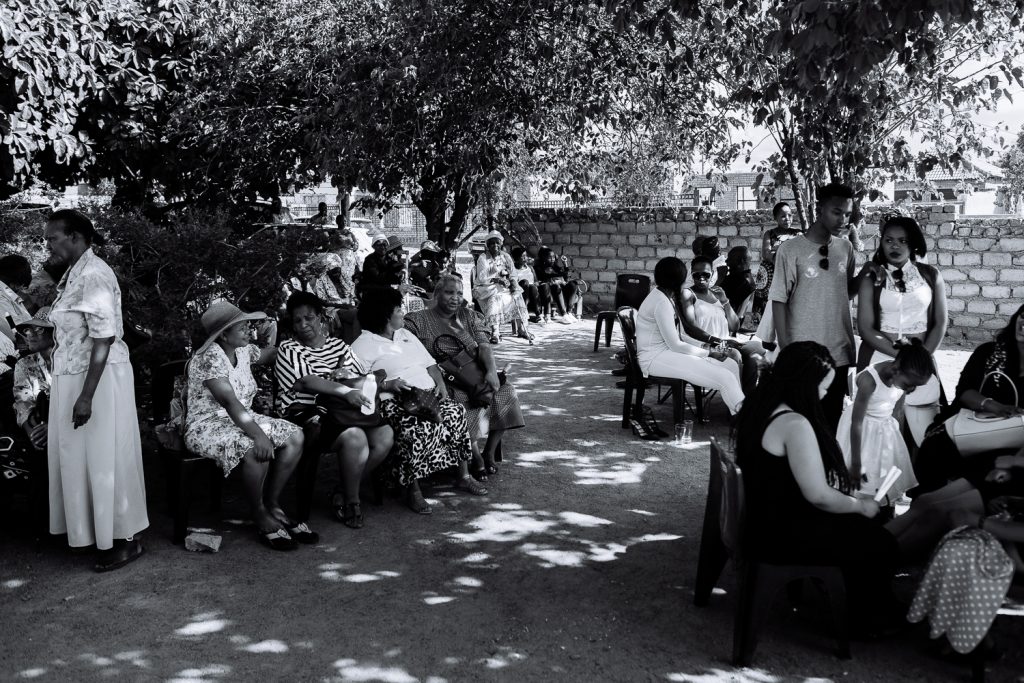
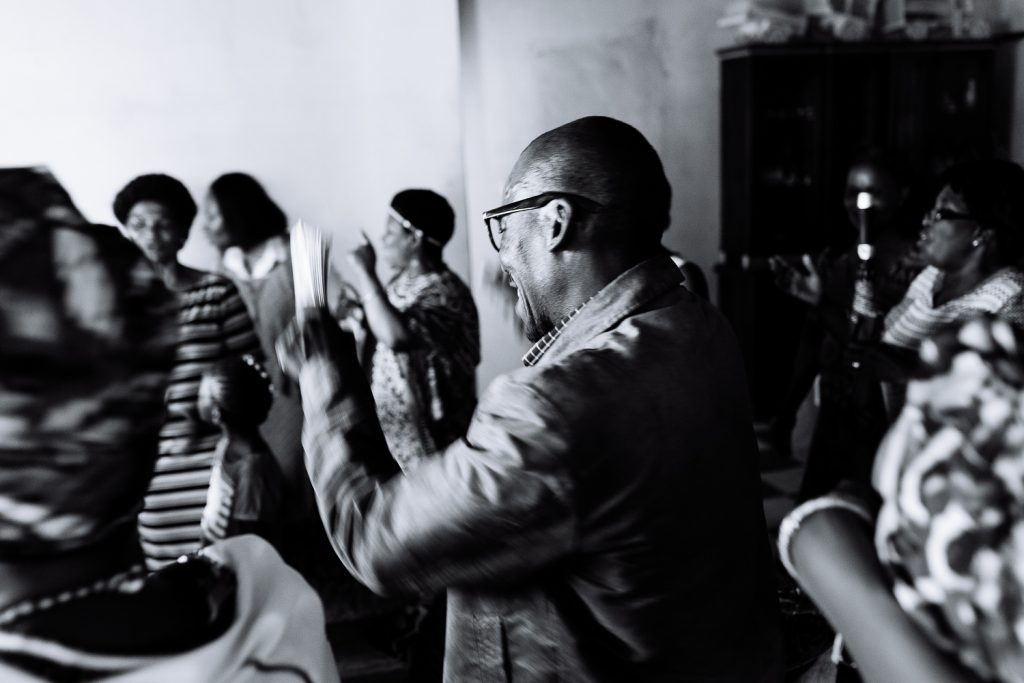
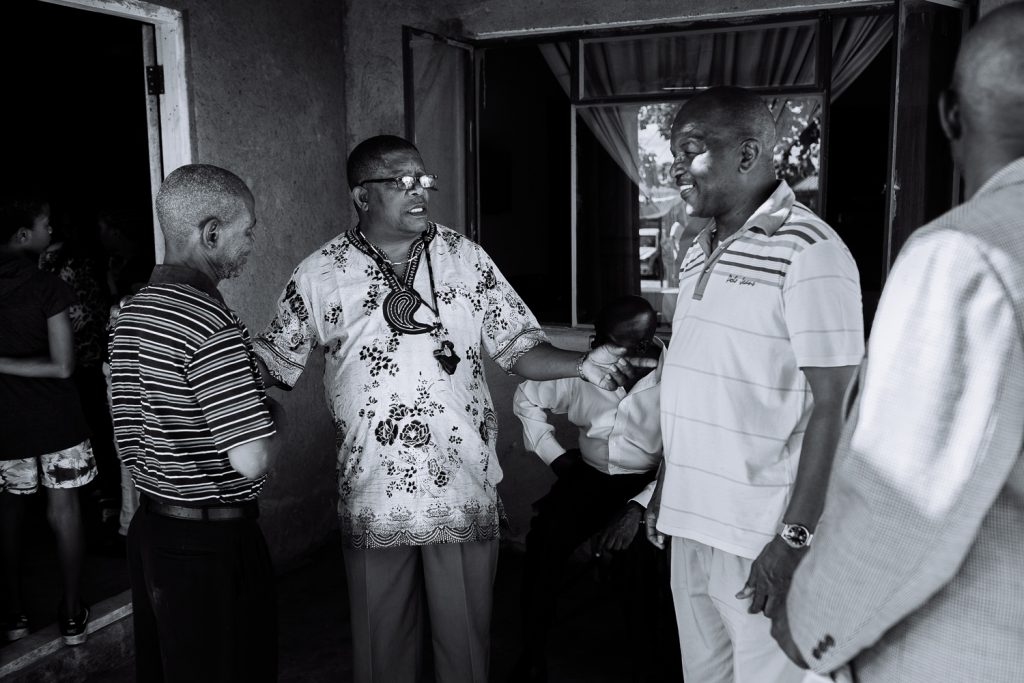
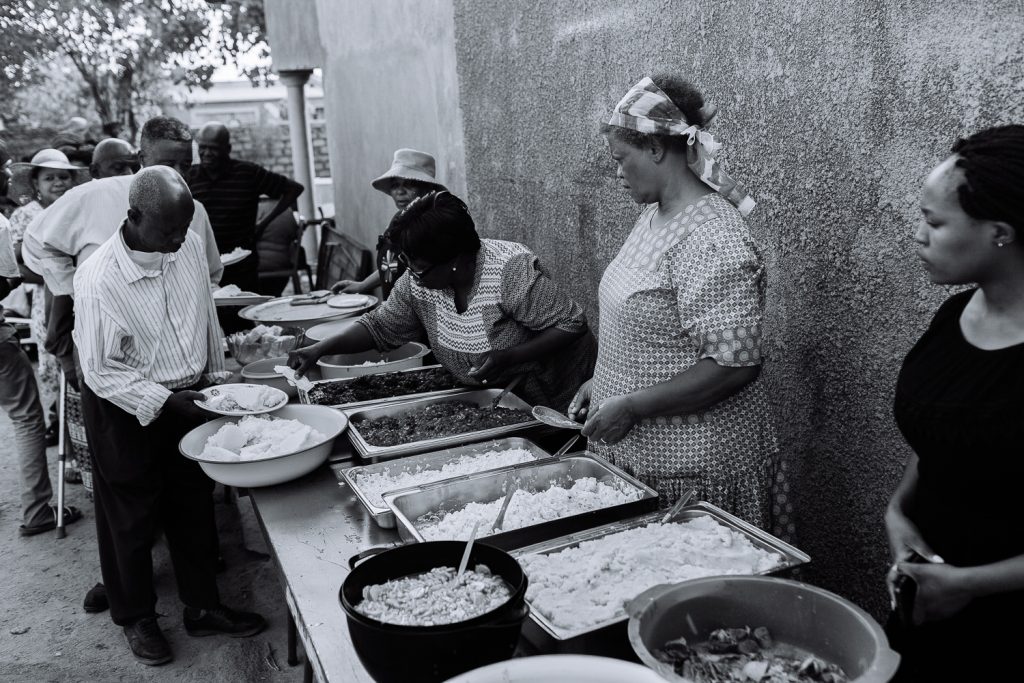
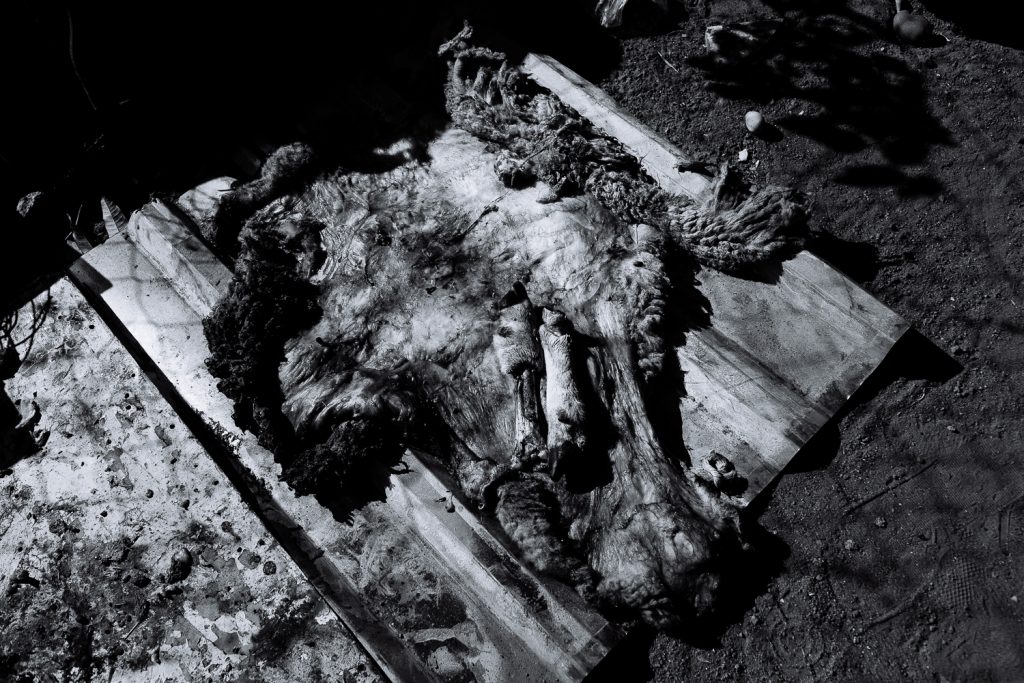
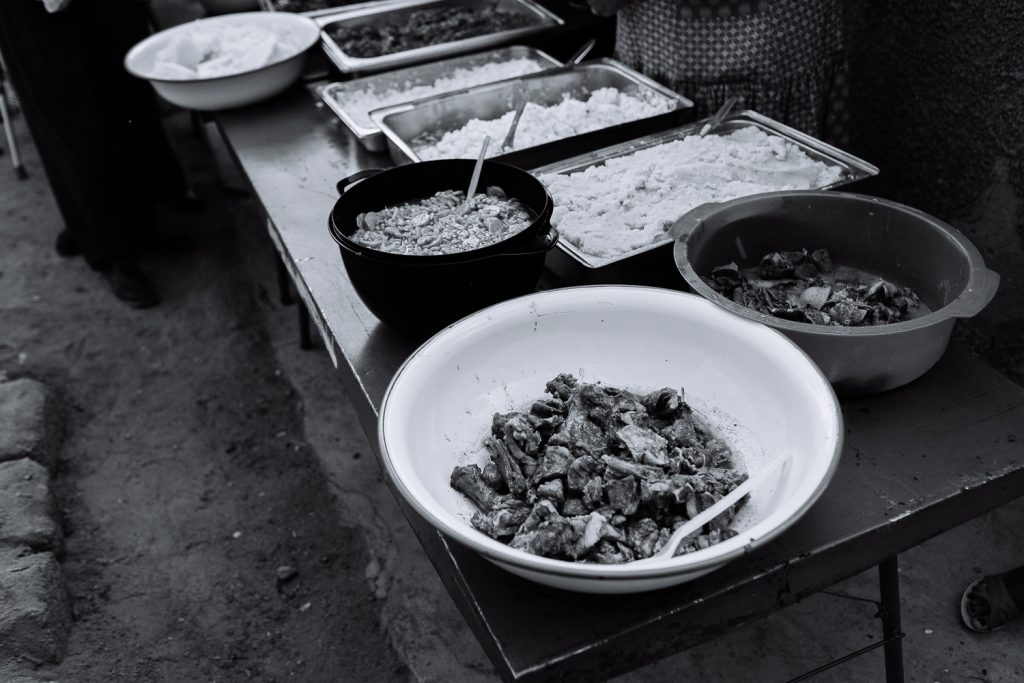
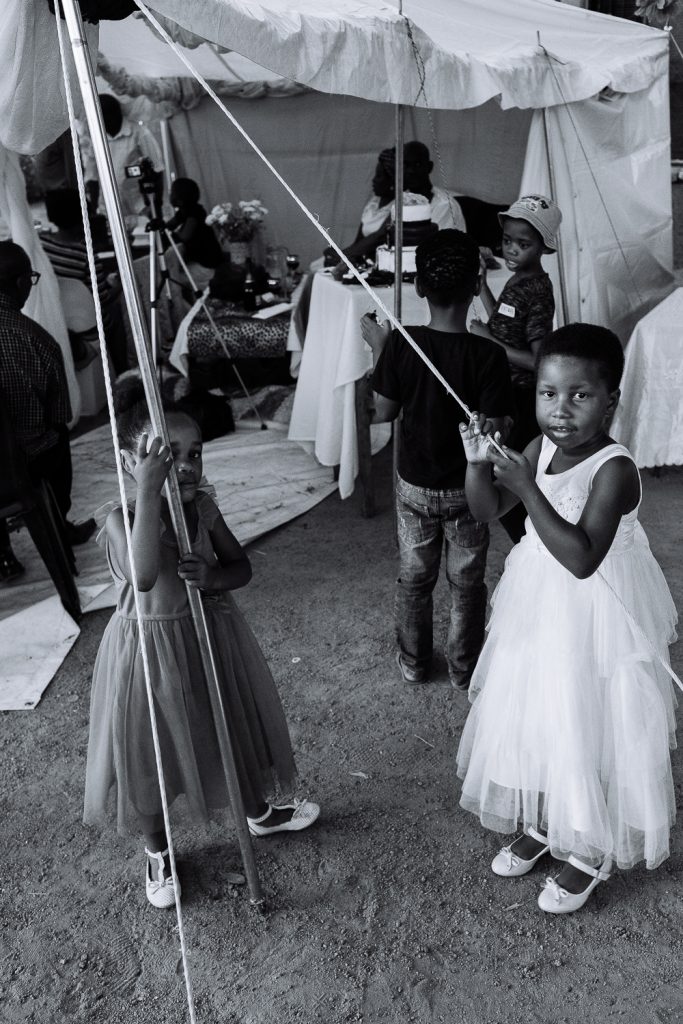
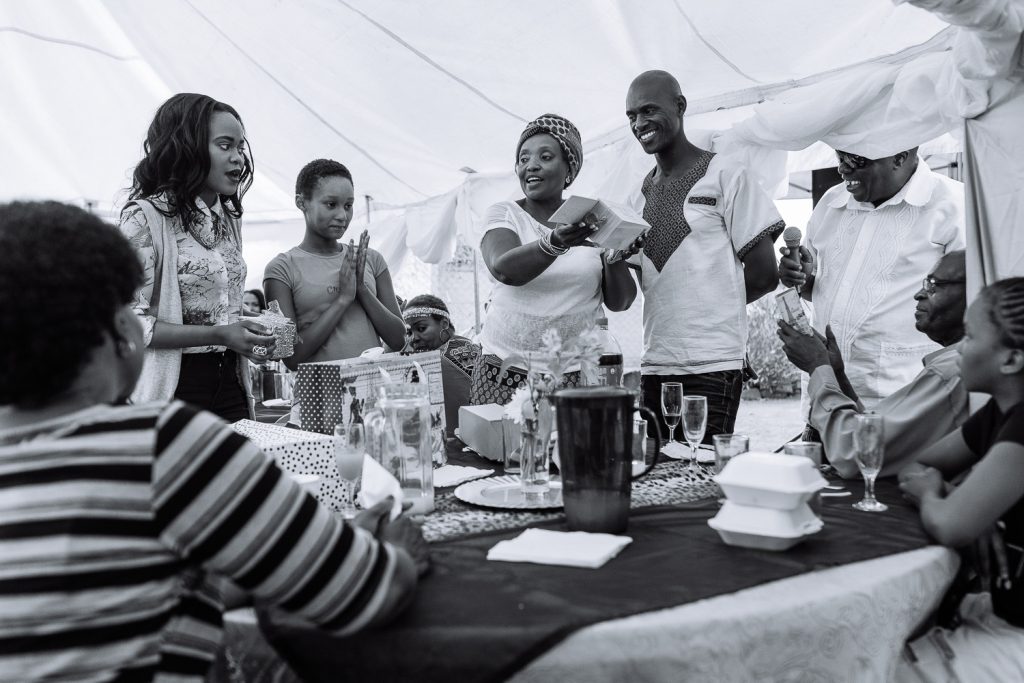
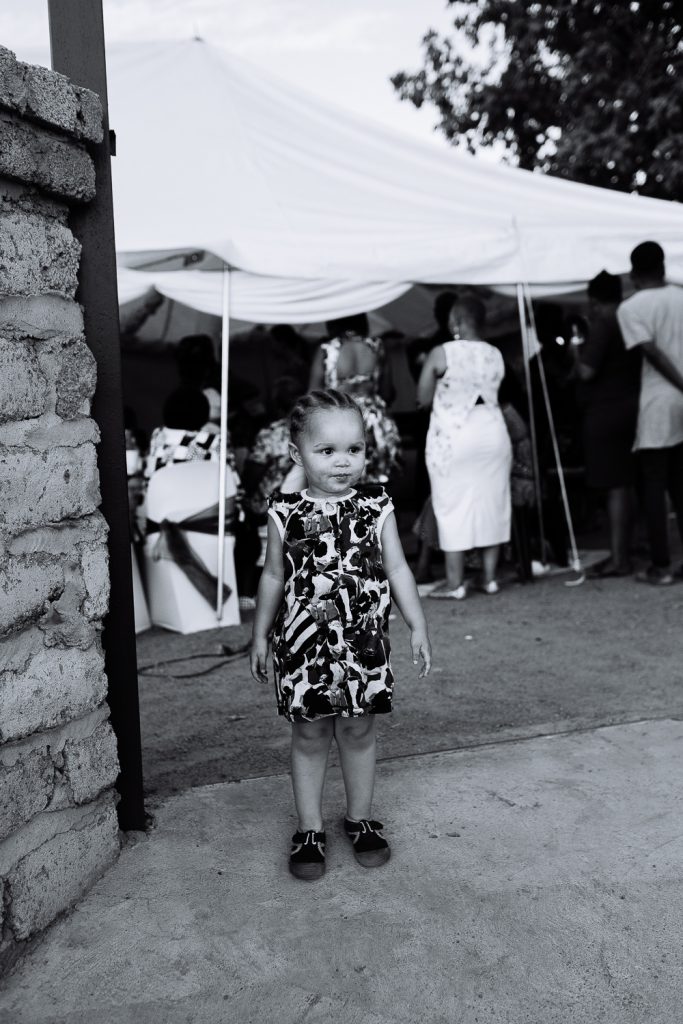
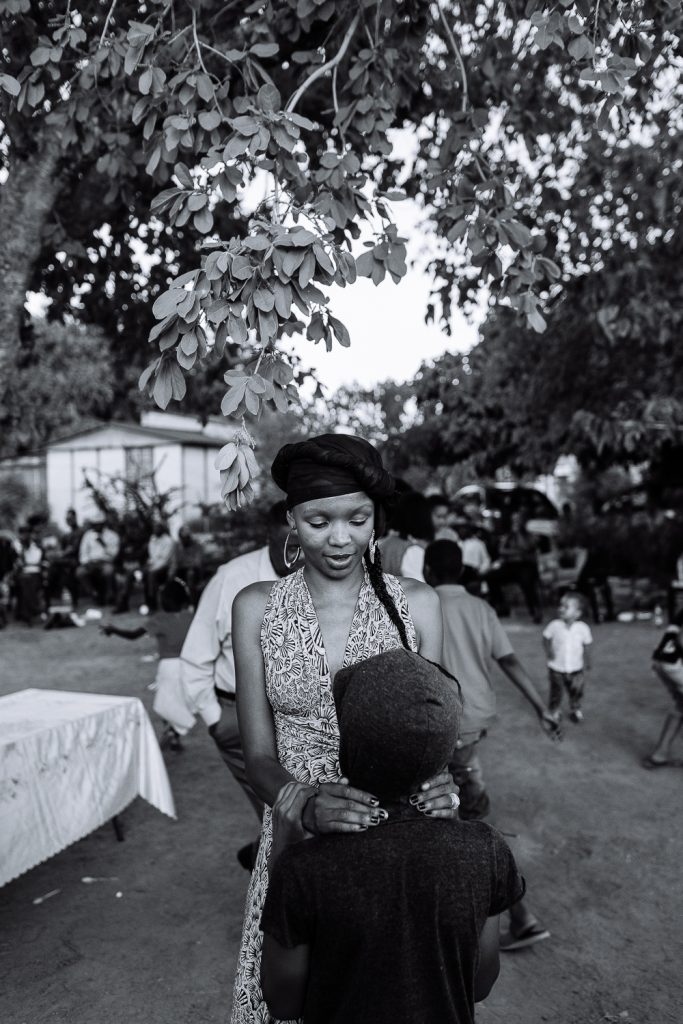
These Johannesburg documentary photography images were made over several visits, spanning personal and professional occasions. Some were taken at weddings and family gatherings. Others are observations of the city itself. Johannesburg is South Africa’s economic engine, with a greater Gauteng metropolitan area home to over 15 million people.
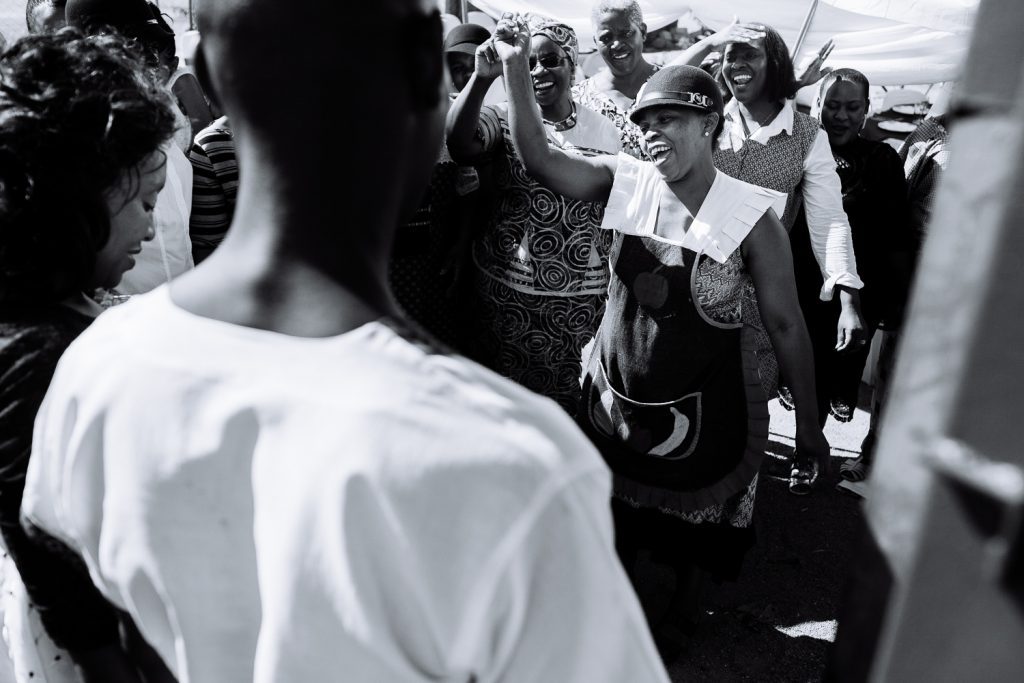
According to South African History Online, the city’s history is one of extraction: gold was discovered on the Witwatersrand in 1886, and within years a mining camp had grown into one of the largest cities on the African continent. That extractive logic shaped the migrant labour system and the racial zoning that divided the city into white suburbs and Black townships such as Soweto, Alexandra and Tembisa. As SAHO’s history of Soweto (sahistory.org.za) documents, these townships were not accidental but deliberately planned to house Black labour far enough from white areas to maintain segregation while keeping workers available for industry.
Post-Apartheid Johannesburg Documentary Photography
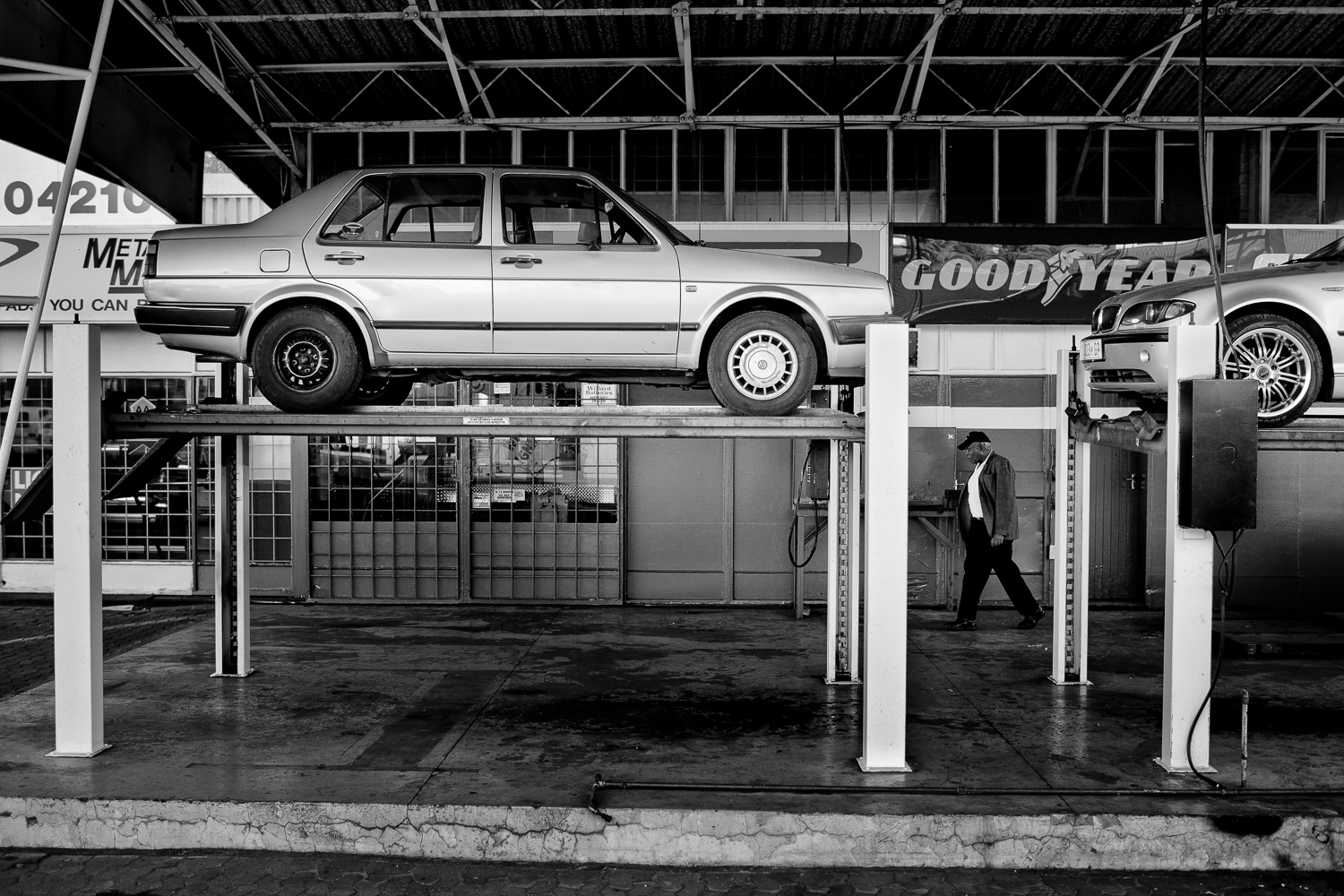
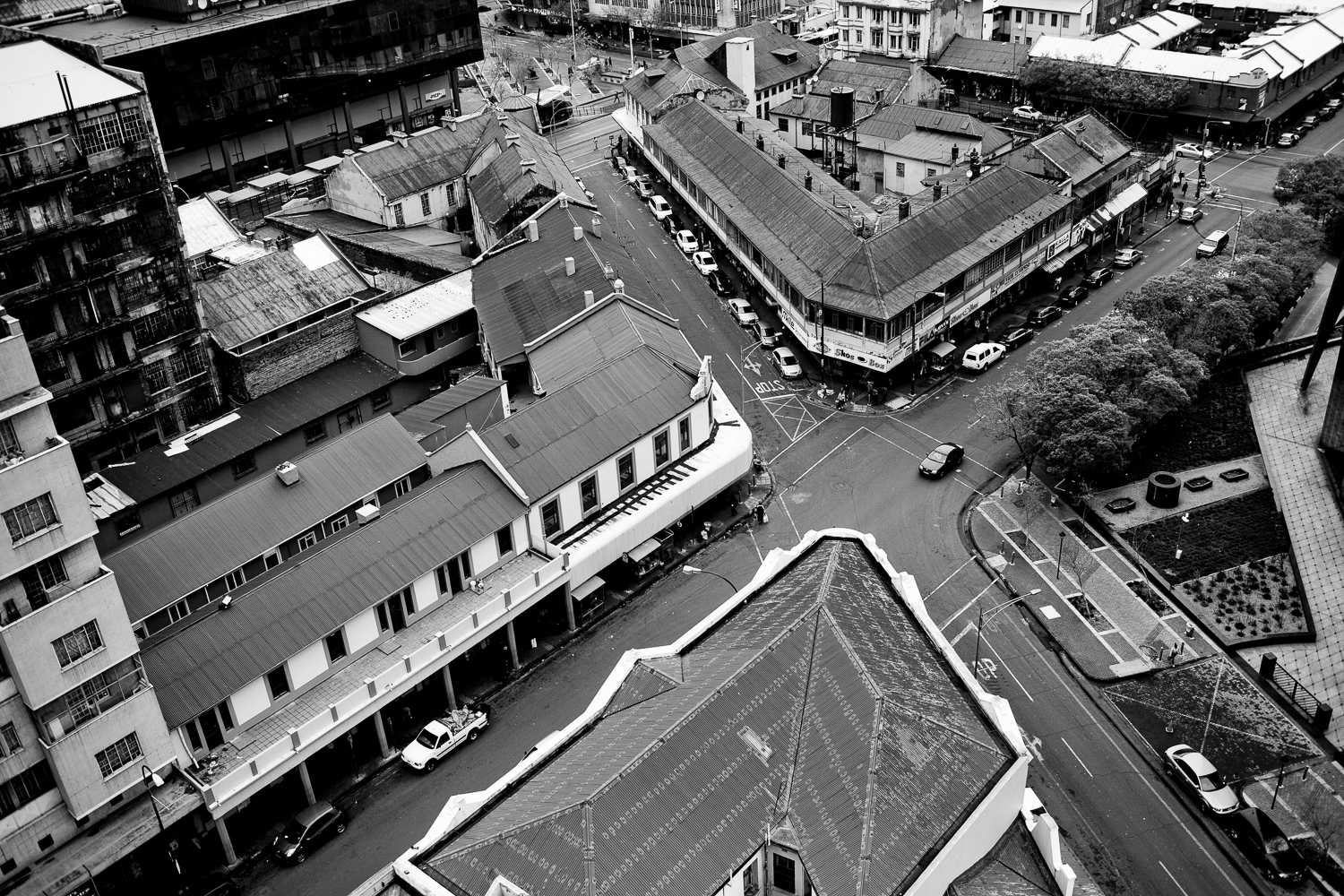
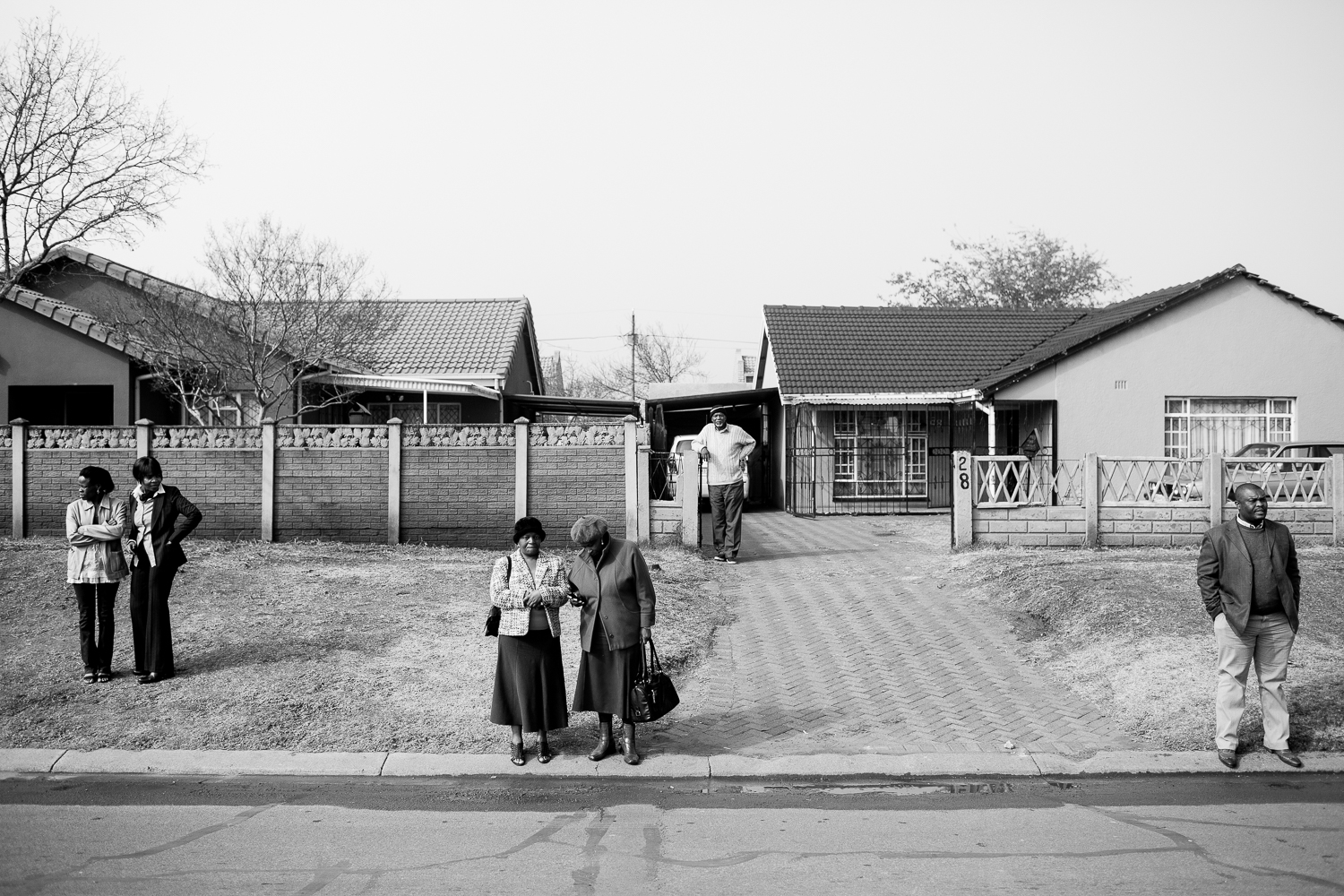
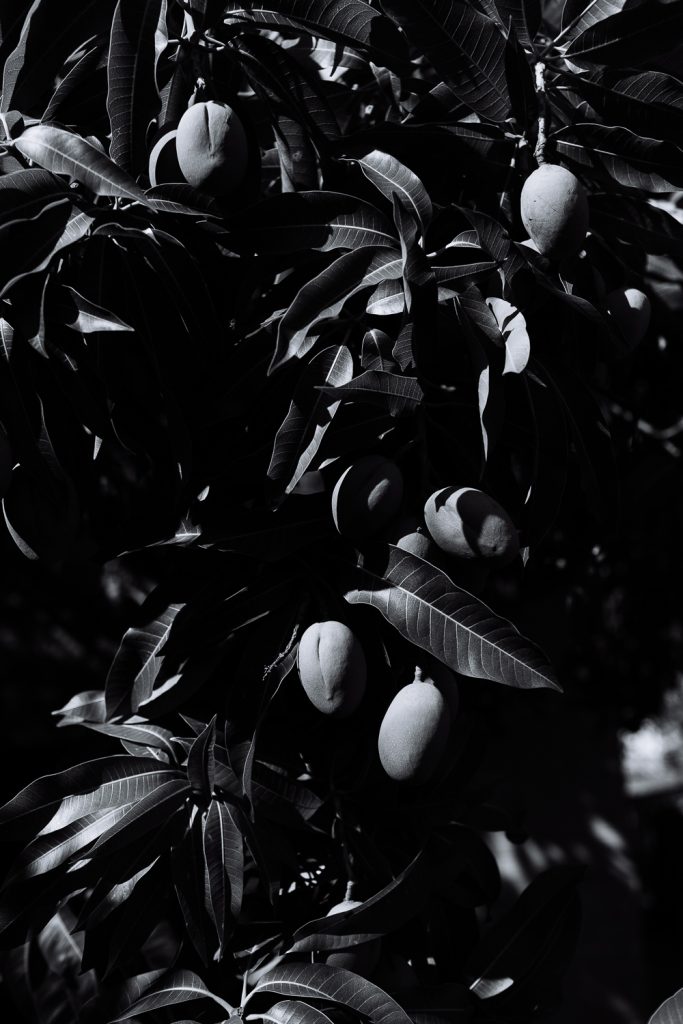
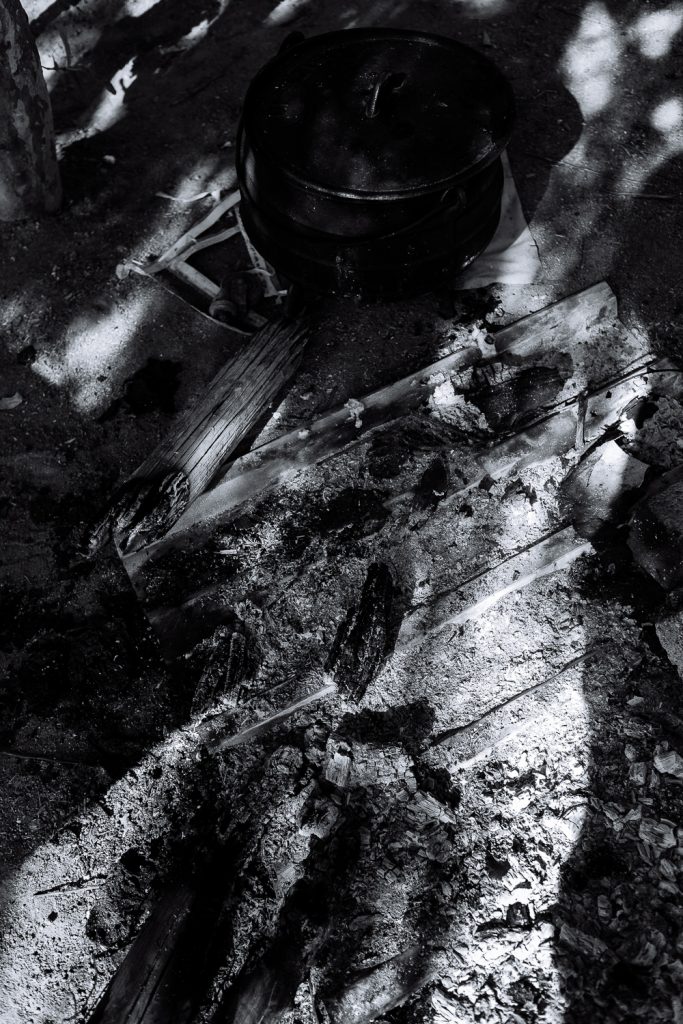
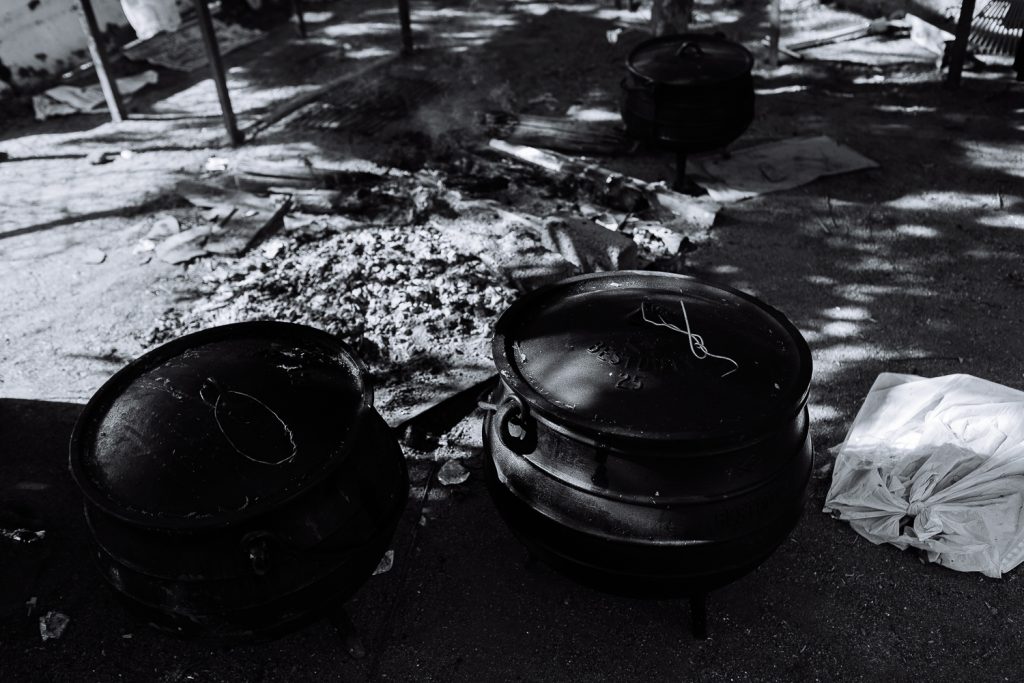
Post-apartheid Johannesburg has undergone significant transformation. Inner-city neighbourhoods like Braamfontein, Maboneng and Newtown have been regenerated. But the city’s fundamental tensions remain. The gap between the northern suburbs and the townships is as wide as ever. This Johannesburg documentary photography series records what was visible during the time spent there: the street scenes, the family moments, the particular energy of a city that demands engagement entirely on its own terms. Each visit is a recalibration. The visual language is different. The pace is different. You either catch it or you don’t.
Outbound Links:
- Johannesburg history: https://en.wikipedia.org/wiki/Johannesburg
- Soweto (SAHO): https://sahistory.org.za/place/soweto