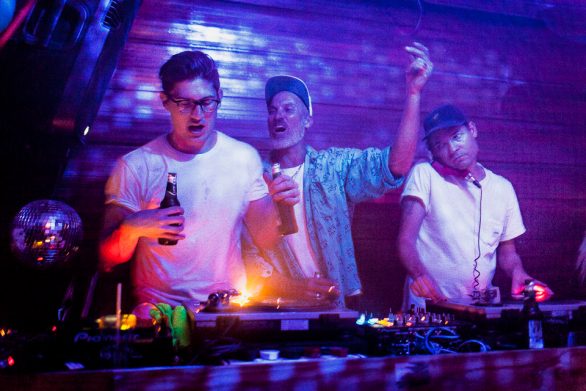
Cold Turkey Cape Town was a bi-weekly electronic music event held every second Sunday in Cape Town, South Africa. For several years during the late 2000s and early 2010s, Cold Turkey Cape Town operated as one of the city’s most distinctive and consistently surprising gatherings for people interested in experimental beats, dubstep, electro and electronic music culture.
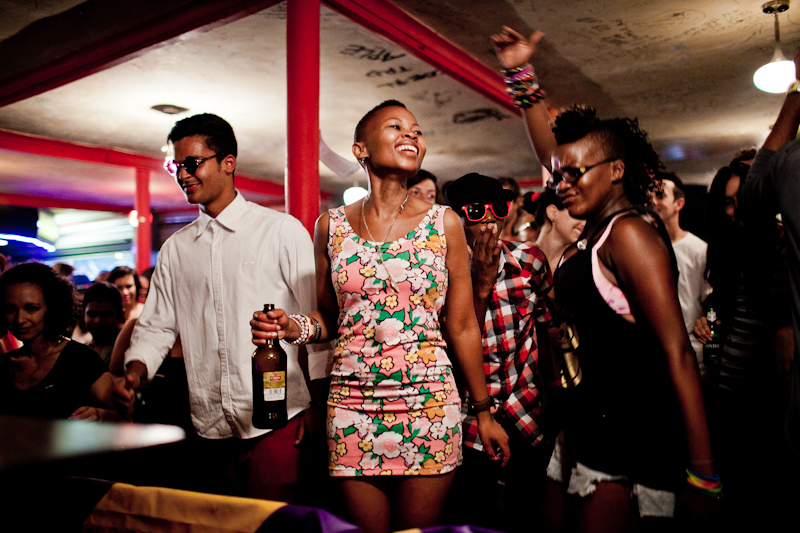
The Electronic Music Scene Behind Cold Turkey Cape Town
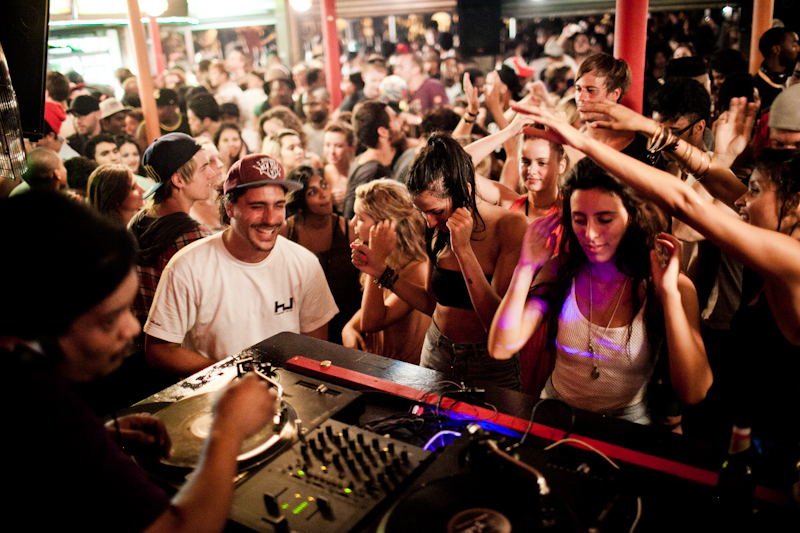
The Cold Turkey Cape Town events emerged at a time when the city’s electronic music scene was evolving rapidly. Cape Town has always had a deep and often underappreciated relationship with dance music, particularly on the Cape Flats, where house music has been part of the social and cultural fabric since the 1990s. DJs from Mitchell’s Plain, Manenberg and Bonteheuwel built a local sound that drew from Chicago, New York and Detroit while carrying its own identity. Cold Turkey Cape Town existed alongside that tradition while carving out a distinct space. The music leaned heavily on dubstep, electro and anything beat-driven, with DJs regularly testing out unreleased tracks and productions that had not yet found a fixed genre. The focus was on experimentation rather than formula. Where the commercial club circuit in Long Street and Camps Bay catered to tourists and a narrow demographic, Cold Turkey Cape Town offered something different: a room where the music came first and the crowd followed.
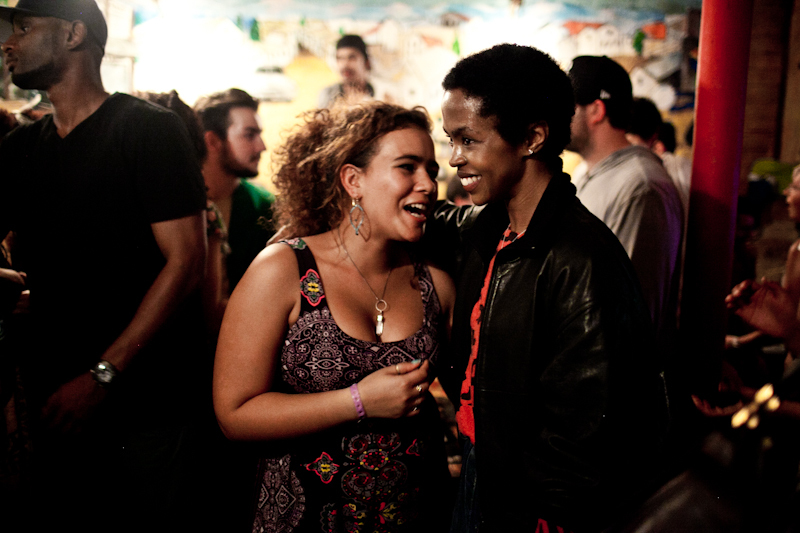
The Crowd and Culture of Cold Turkey Cape Town
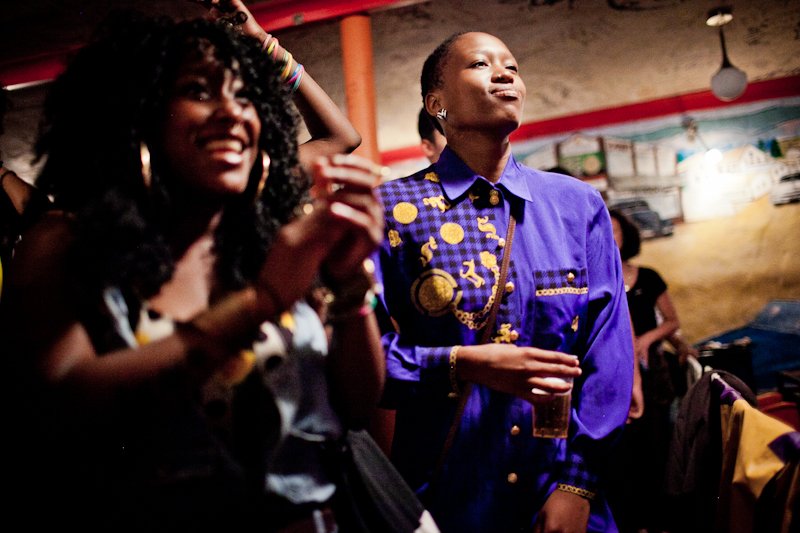
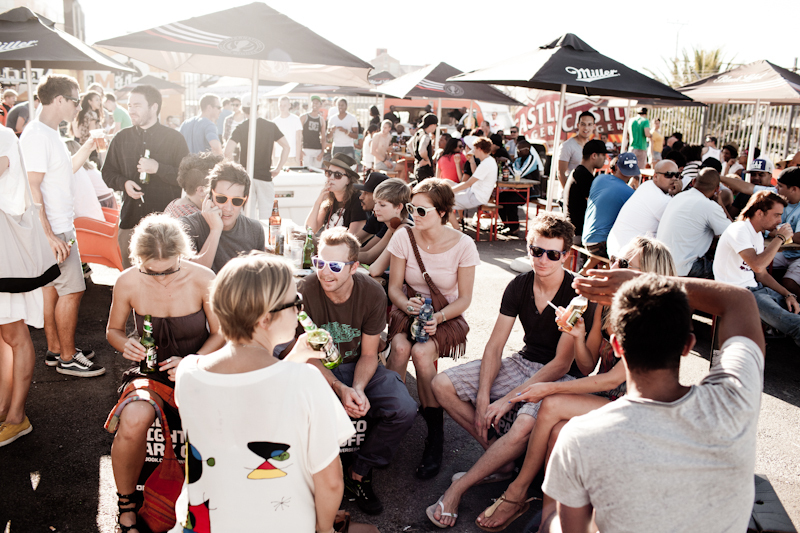
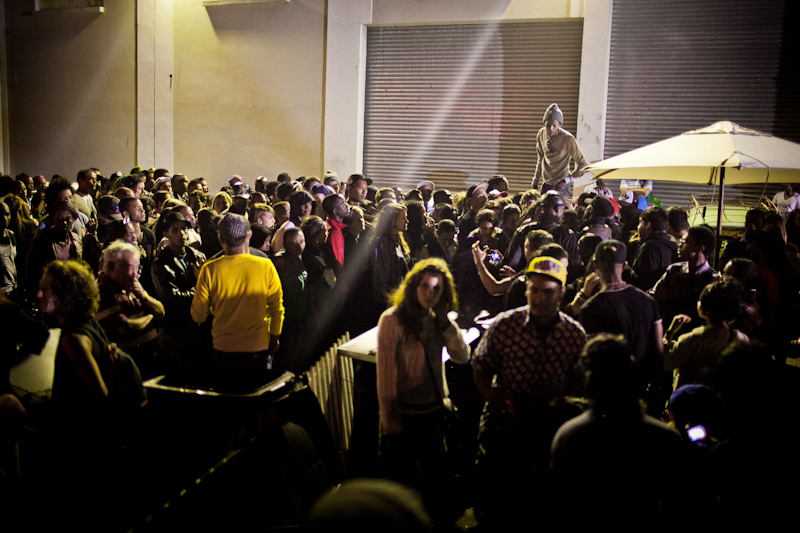
The crowd at Cold Turkey Cape Town was eclectic in the truest sense. In a city where nightlife often divides along racial, economic and geographic lines, these events managed to pull together a genuinely mixed room. People came from the southern suburbs, from the Cape Flats, from Woodstock and Observatory and further out. The atmosphere was inclusive without being self-conscious about it. Nobody needed to announce that the room was diverse. It just was. The collective behind Cold Turkey Cape Town also worked to provide a recreational and creative space for young people at a time when there were few venues in Cape Town willing to take risks on experimental electronic music. The events created a platform for emerging DJs and producers to test material in front of a receptive and knowledgeable audience, helping to incubate a generation of artists who would go on to shape the broader electronic music landscape in the city and beyond.
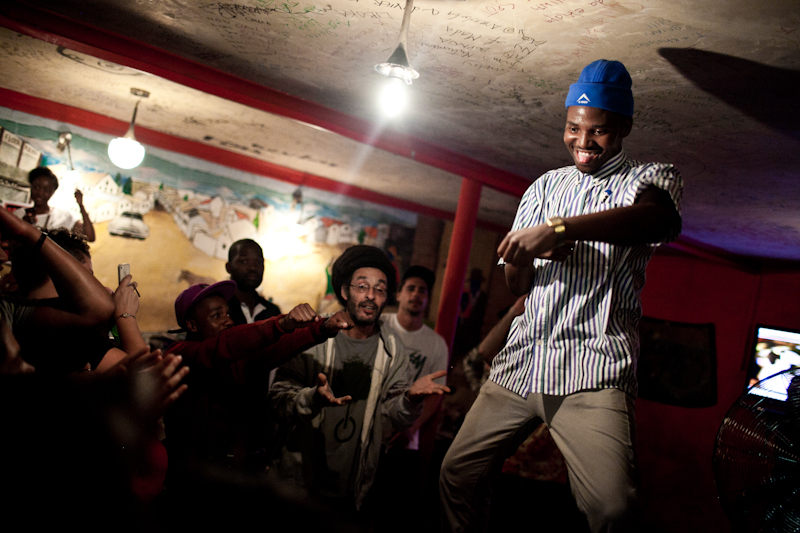
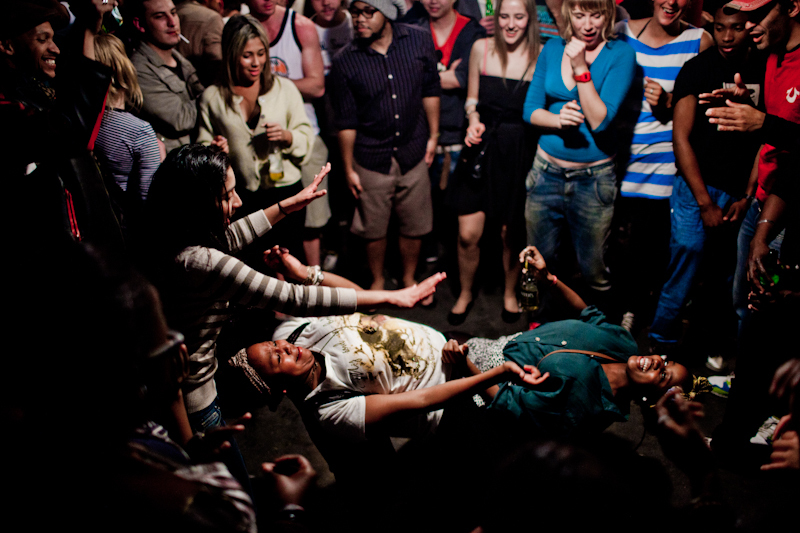
A Record of Cold Turkey Cape Town
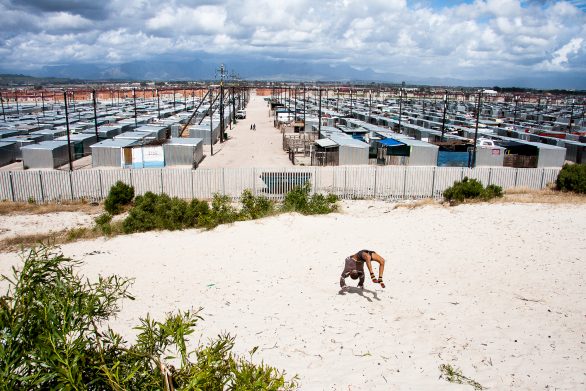
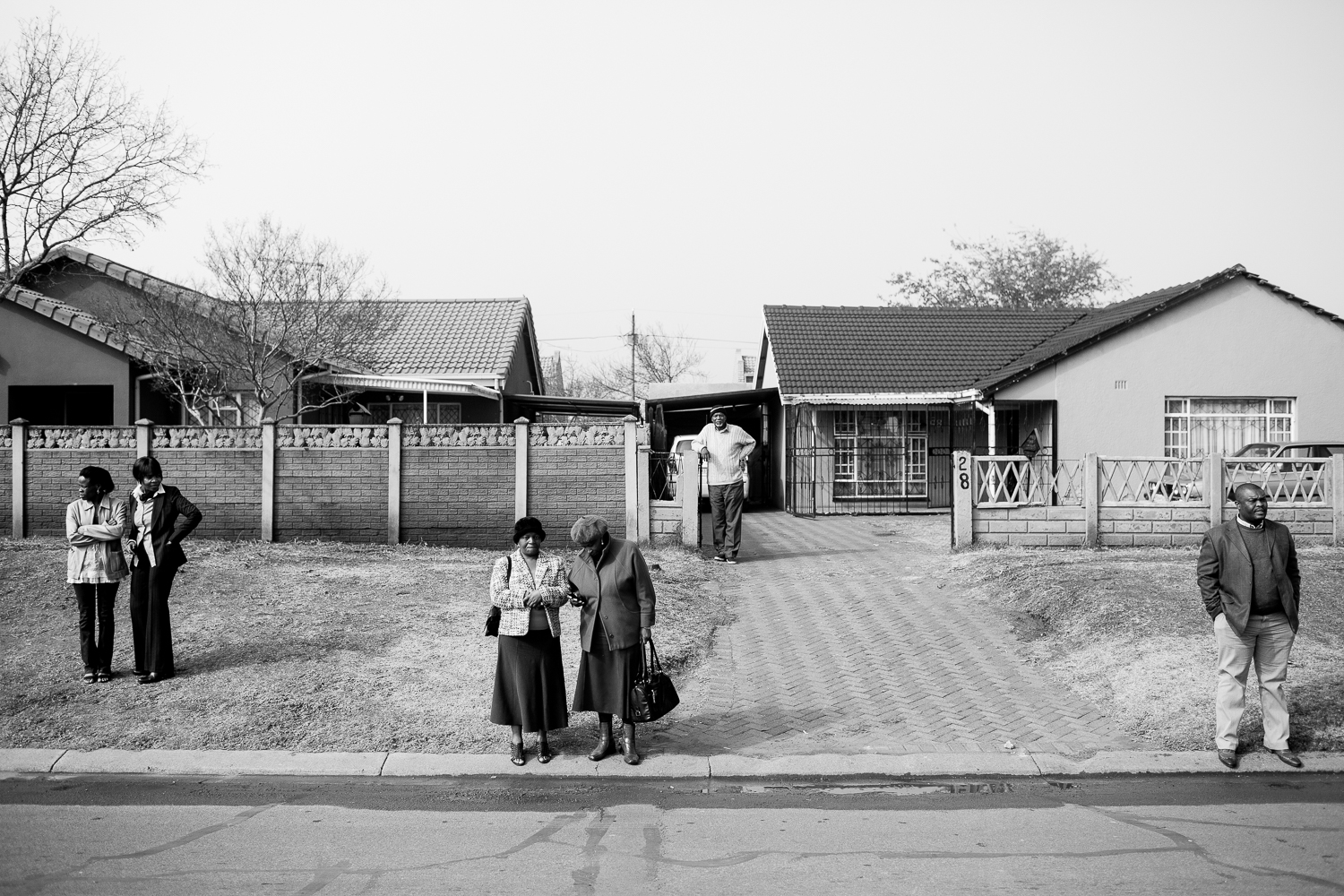
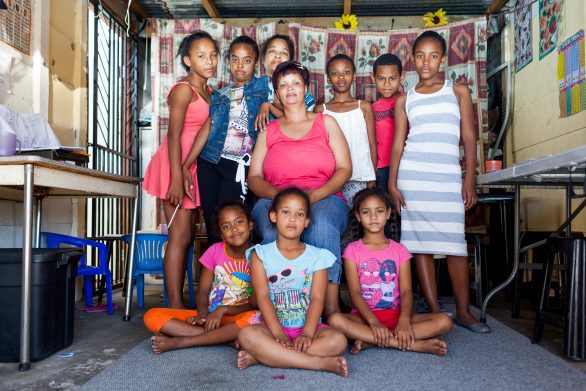
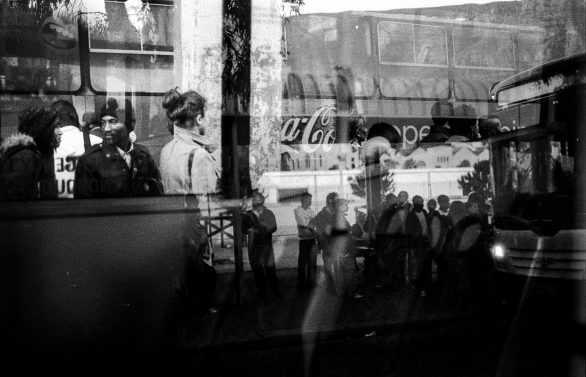
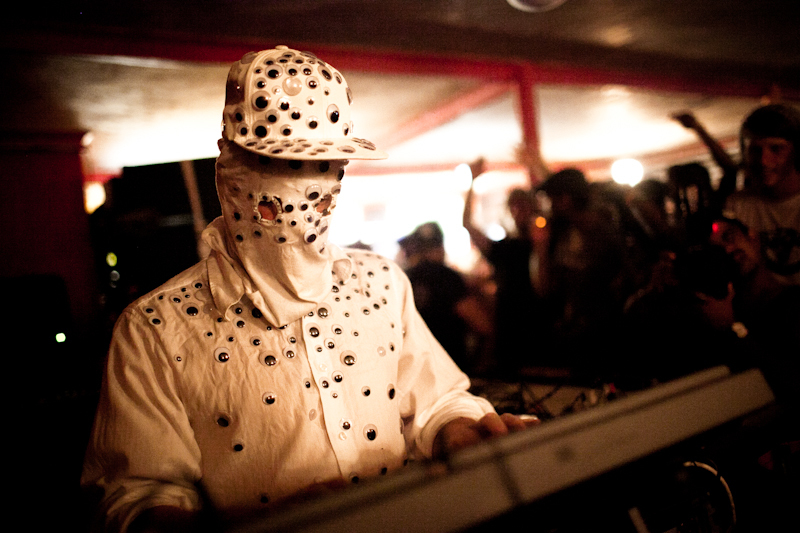
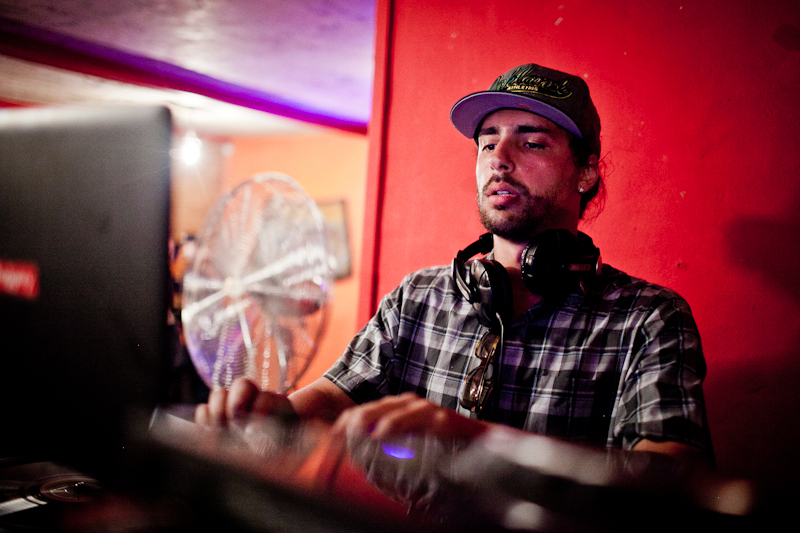
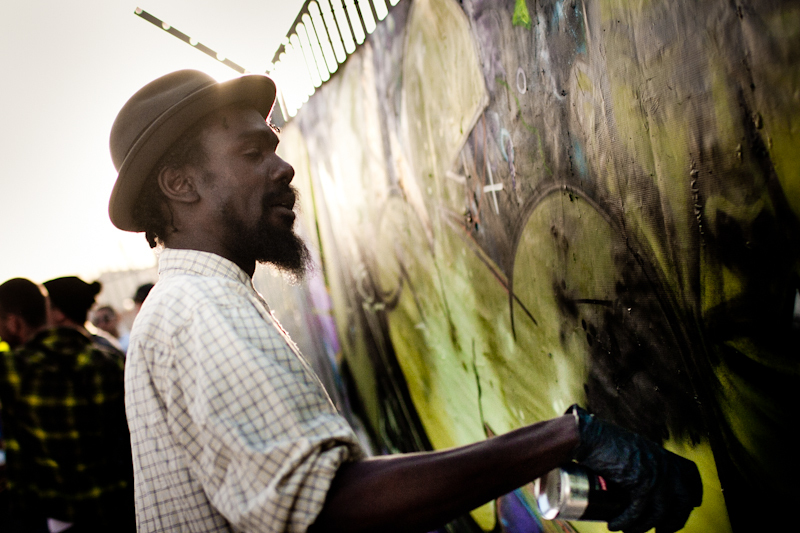
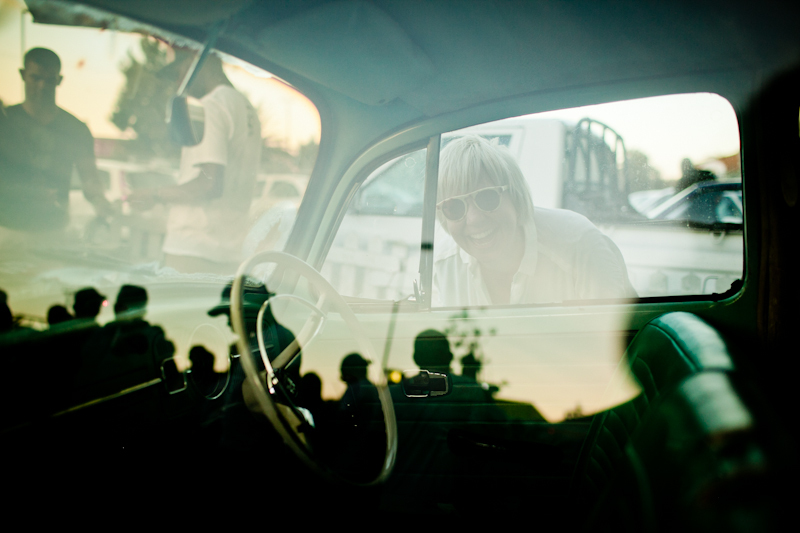
The Cold Turkey Cape Town events eventually wound down, as these things tend to. Venues closed. People moved. The scene shifted. But the legacy of Cold Turkey Cape Town endures in the DJs, producers and music enthusiasts who passed through those Sunday sessions and carried the spirit of those rooms into other projects, labels and events across the city. What remains in these photographs is the energy of those sessions: the sweat, the bass, the movement of bodies when the sound was right and nobody was performing for anyone. The images capture a particular moment in Cape Town’s nightlife history, before the gentrification of Woodstock and Observatory changed the character of the neighbourhoods where events like Cold Turkey Cape Town could happen, and before the city’s electronic music scene gained wider international attention. Cold Turkey Cape Town was not trying to be historic. It was just a good night out. The photographs are a record of what that looked like.
Related projects: A Disco Illusion with Private Life, Red Bull Studios Cape Town CTEMF Opening
Outbound Links:
- Cape Town: https://en.wikipedia.org/wiki/Cape_Town
- Cape Flats: https://en.wikipedia.org/wiki/Cape_Flats
- Dubstep: https://en.wikipedia.org/wiki/Dubstep