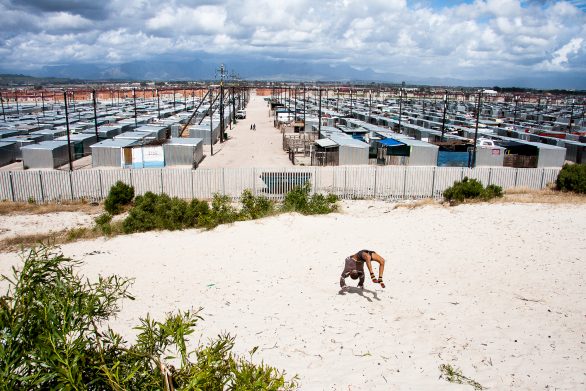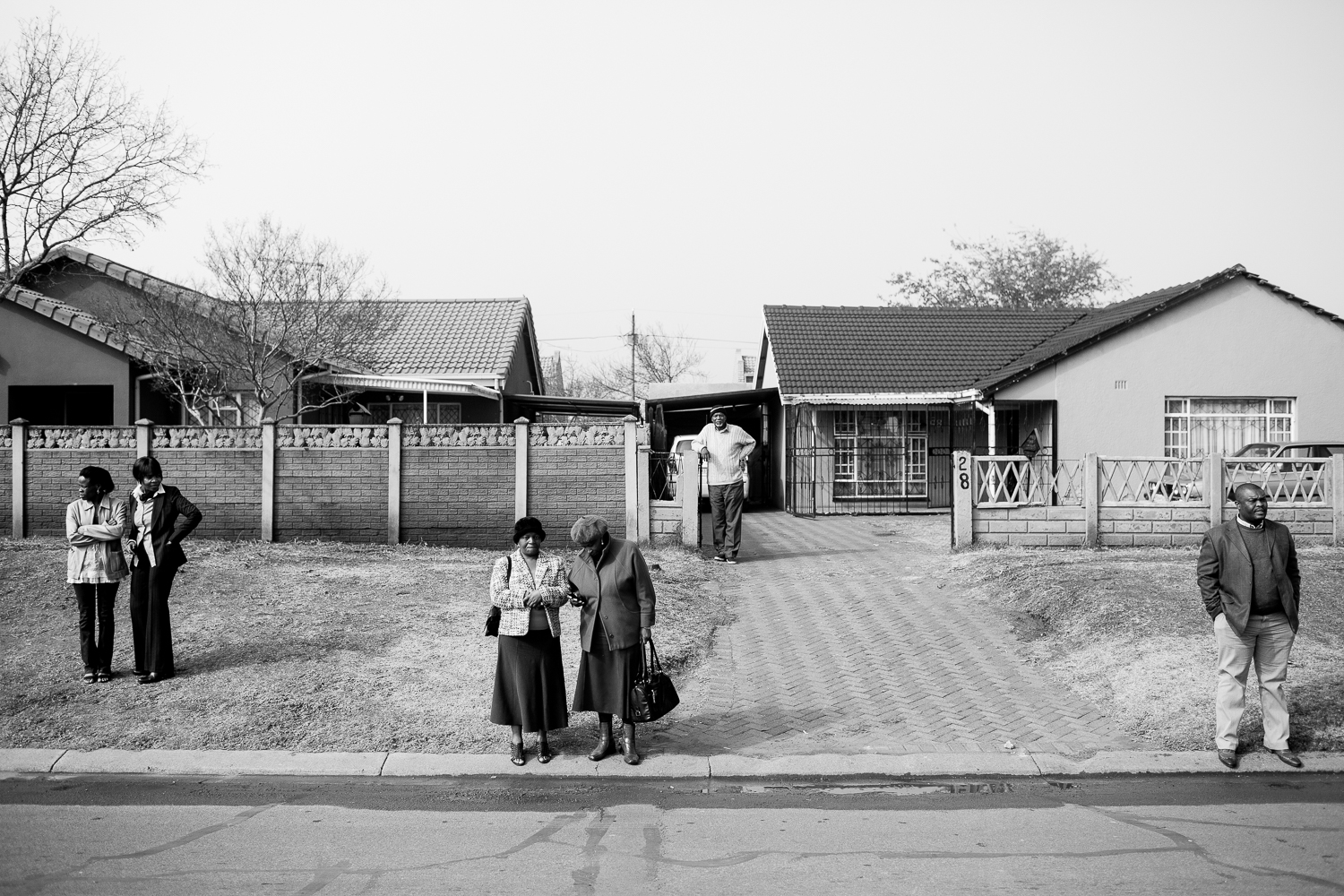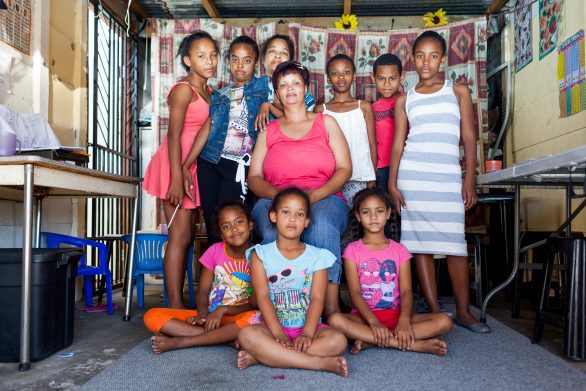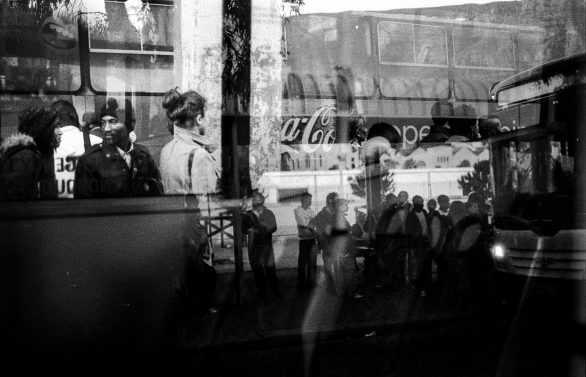
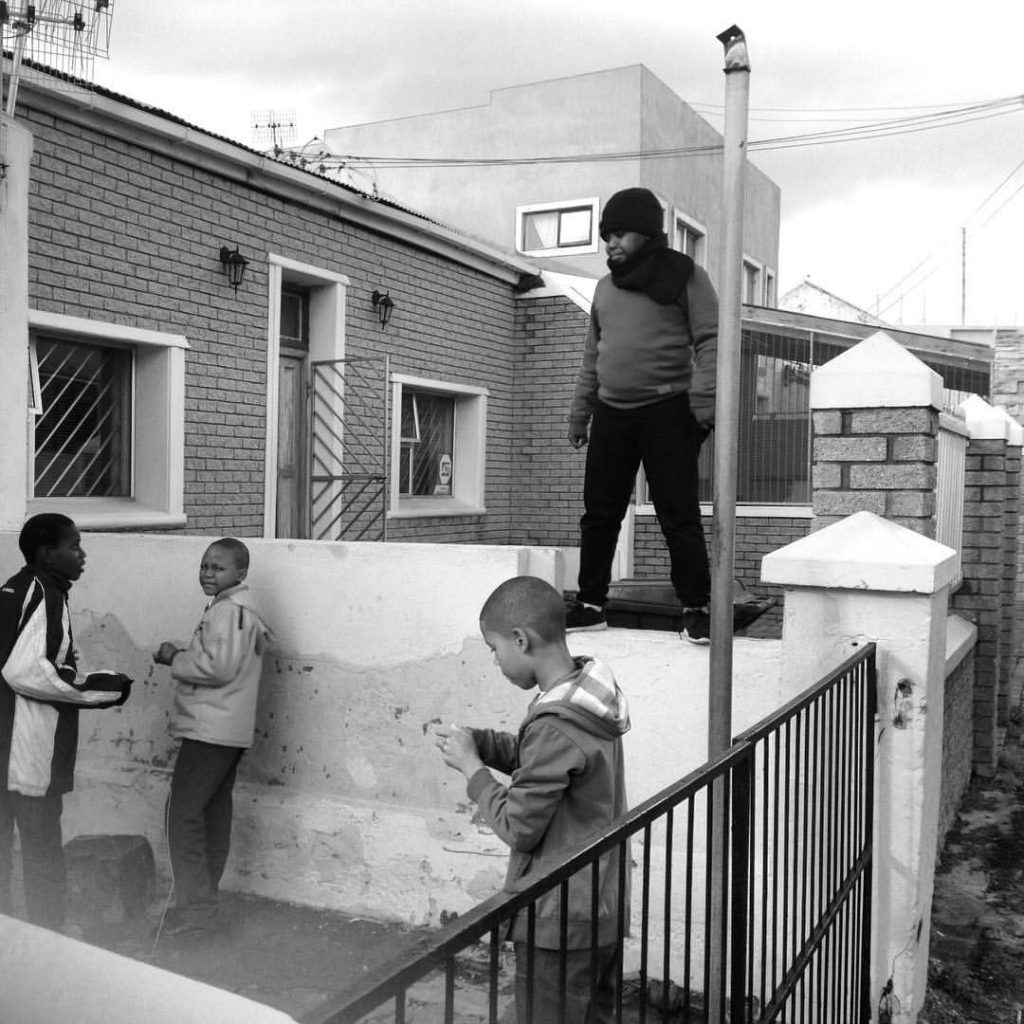
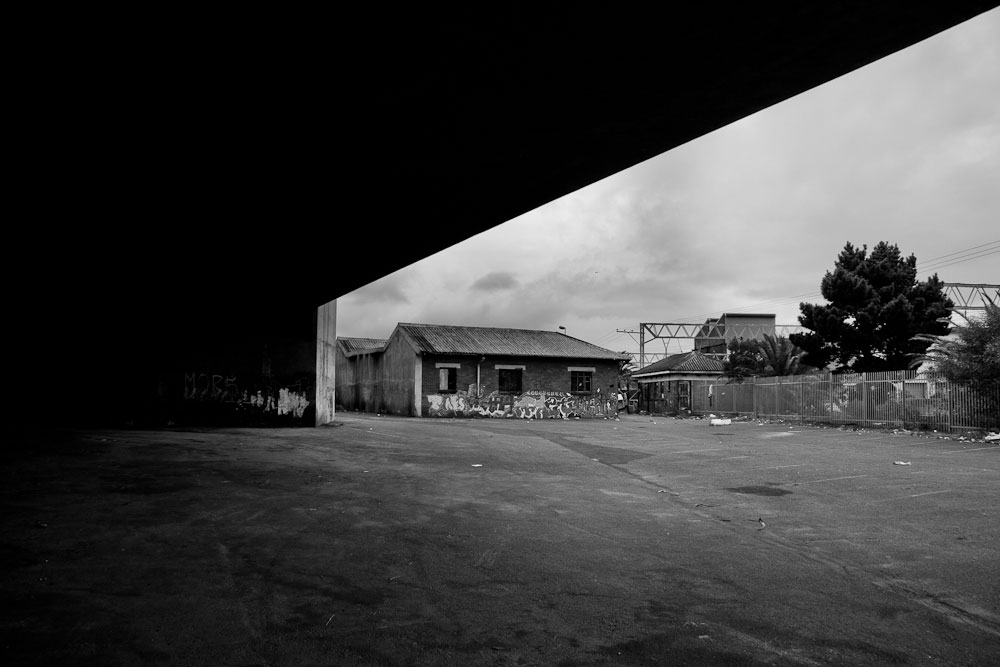
Gentrification Woodstock Cape Town is the subject of this documentary photography series, which captures the neighbourhood and the adjacent area of Salt River during a period of rapid and contested urban change. The photographs were taken between 2010 and 2016 and document the street life, the public art, the residents and the first visible signs of displacement in two of Cape Town’s most historically significant inner-city areas.

Why Gentrification Woodstock Cape Town Matters Historically
To understand gentrification Woodstock Cape Town, it is necessary to understand why the neighbourhood survived apartheid in the form that it did. Cape Town was one of the most aggressively segregated cities in South Africa. As South African History Online documents in their article on Cape Town as a segregated city (sahistory.org.za), patterns of exclusion began at the Cape with the earliest colonial settlement and intensified through legislation including the 1923 Native Urban Areas Act, the 1950 Group Areas Act, and the forced removals that followed. SAHO records that between 1957 and 1961 alone, an estimated 106,177 Coloured and Indian residents were forcibly removed from areas proclaimed for white occupation in the Cape Peninsula.
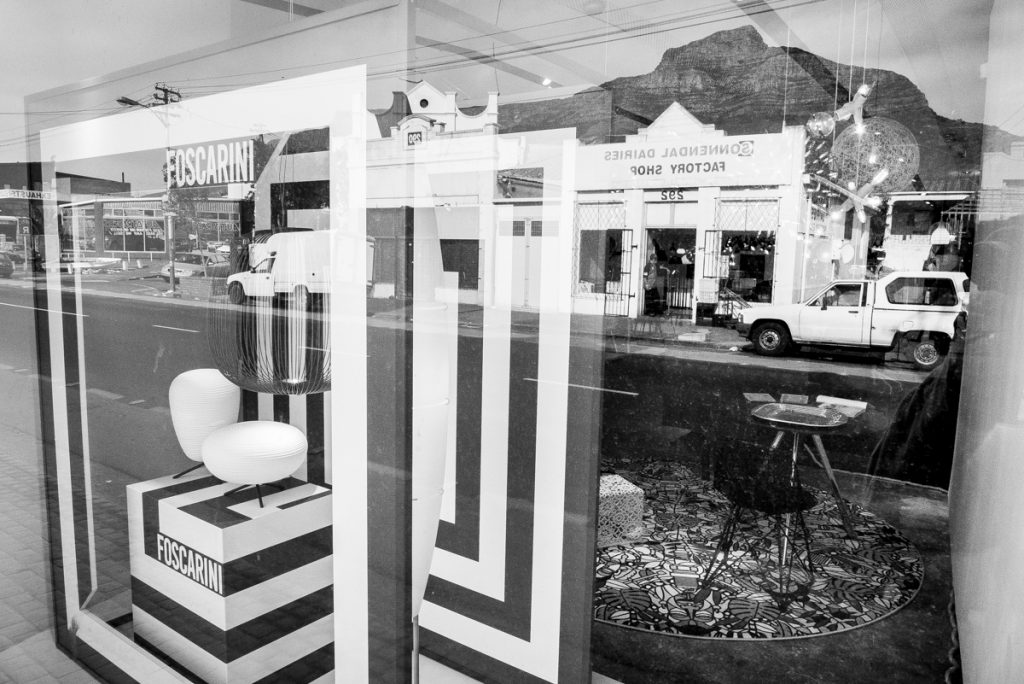

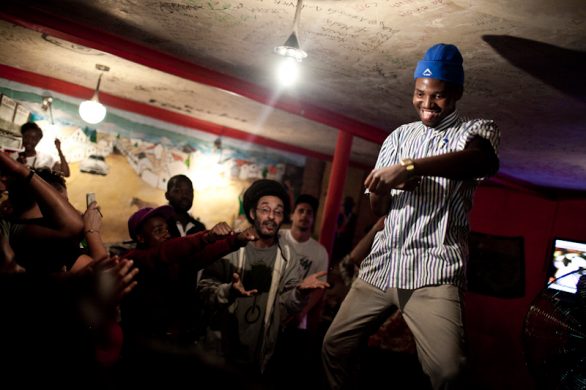
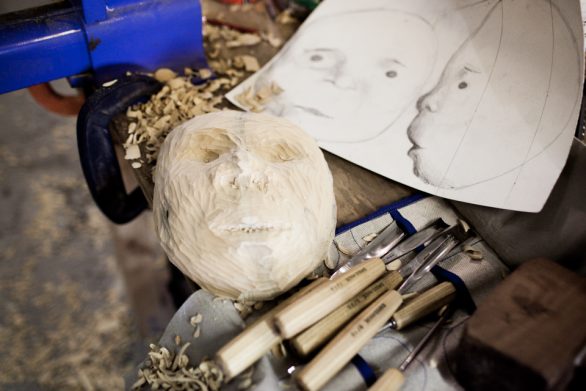
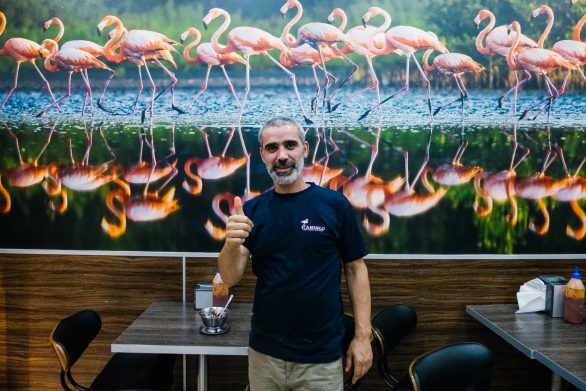
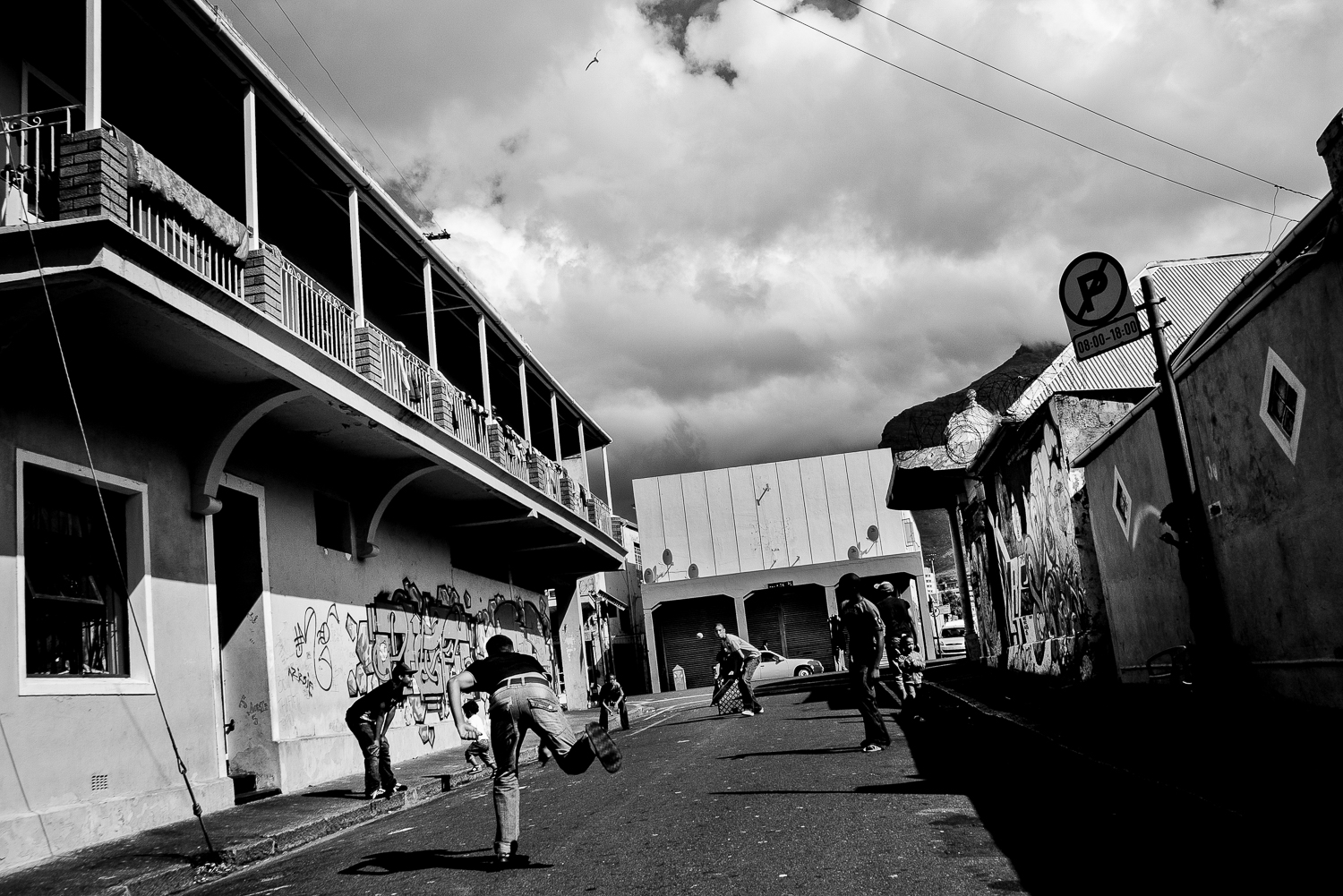
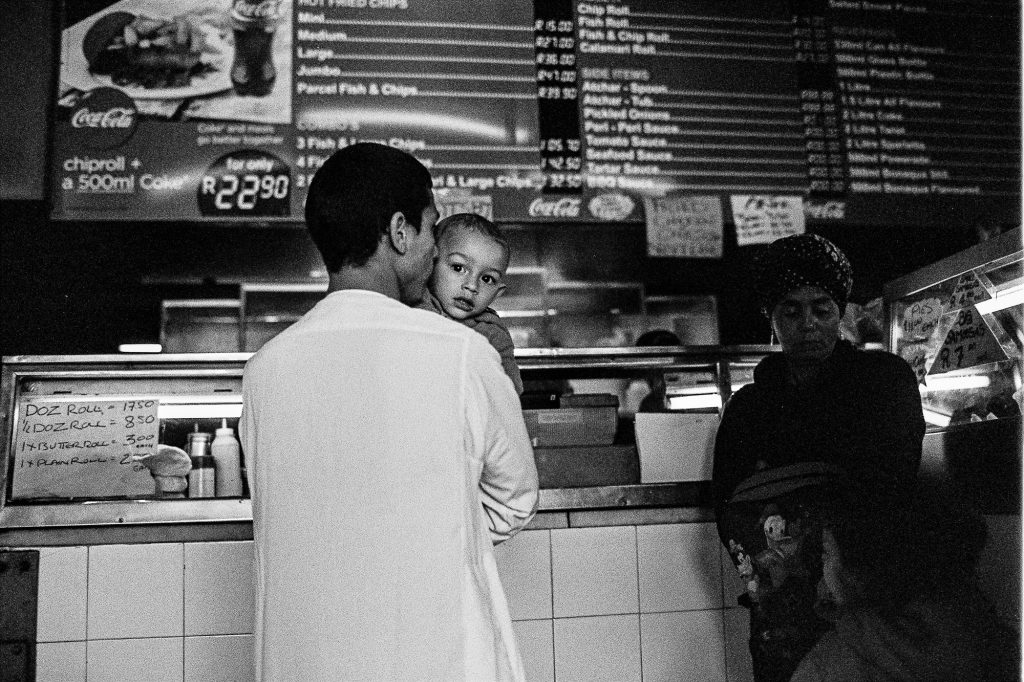
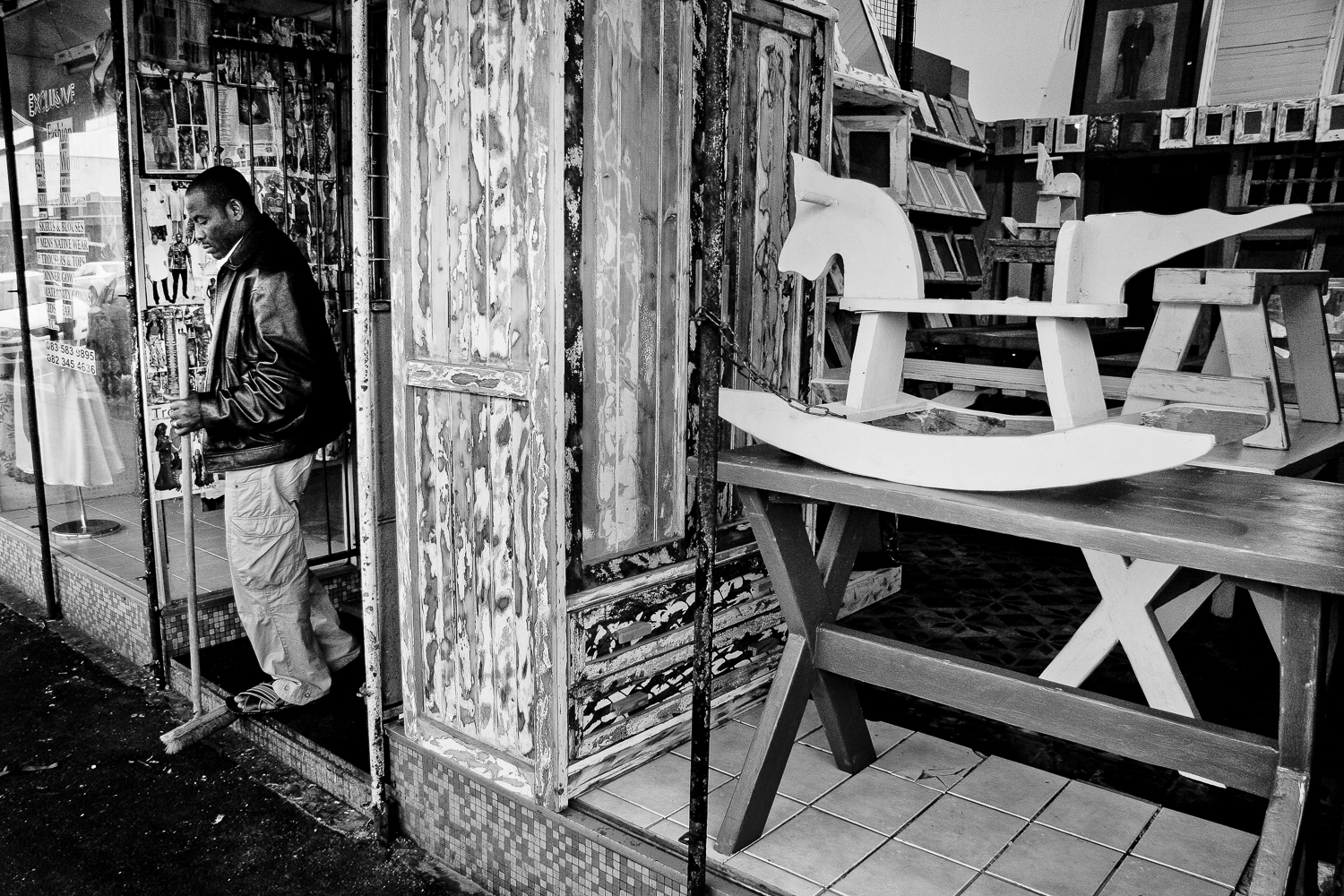
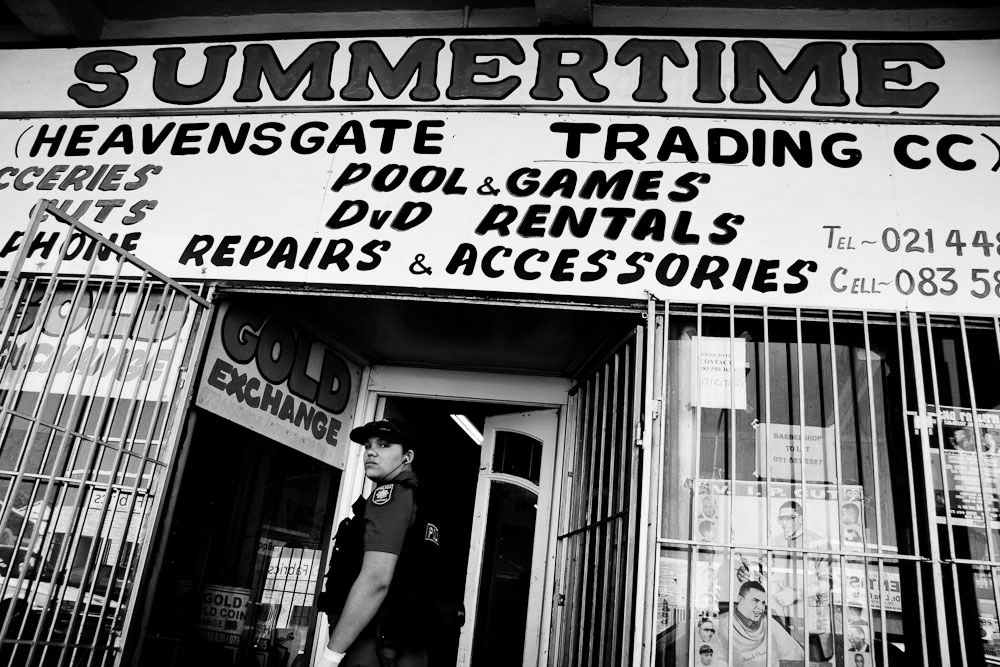
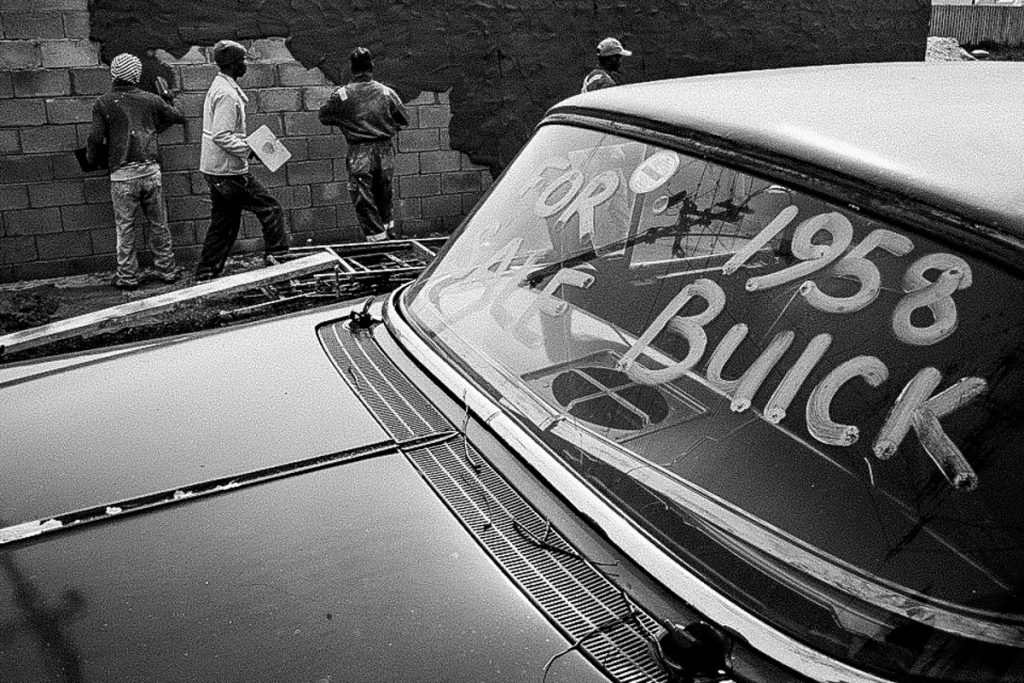
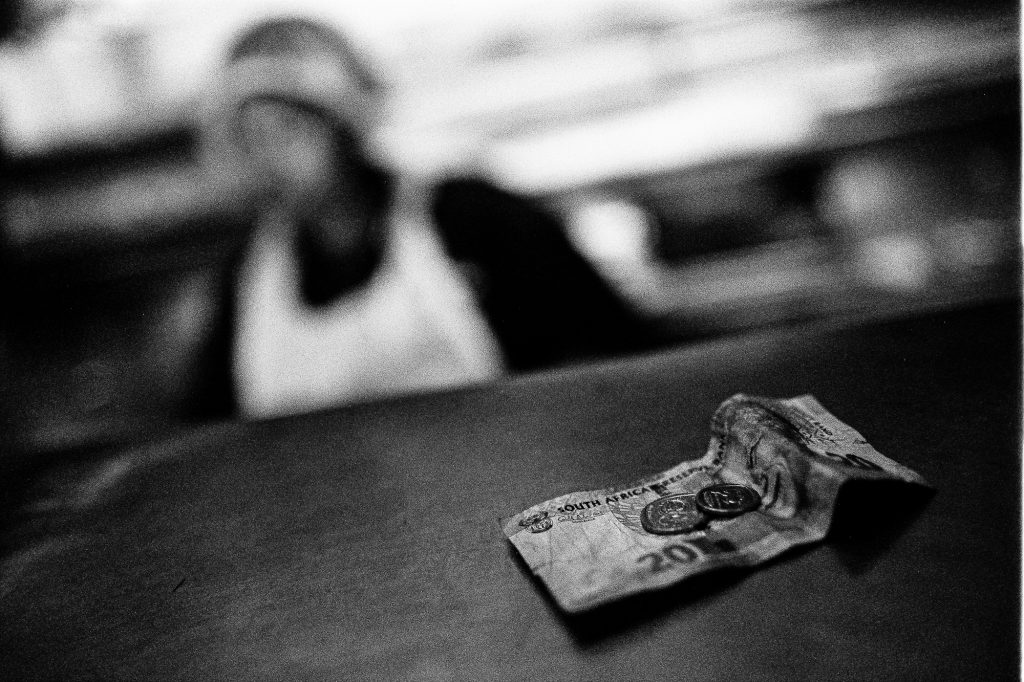
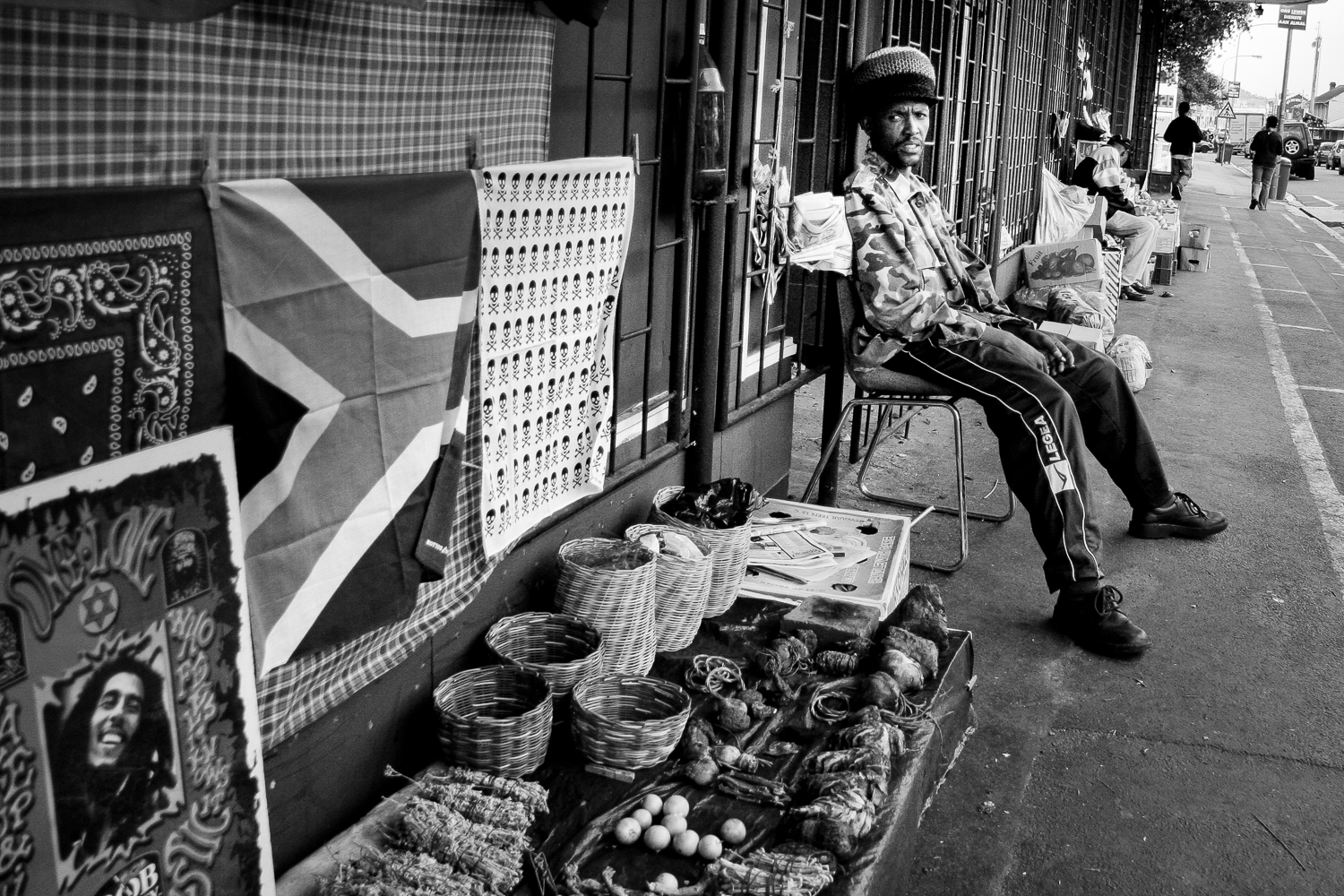
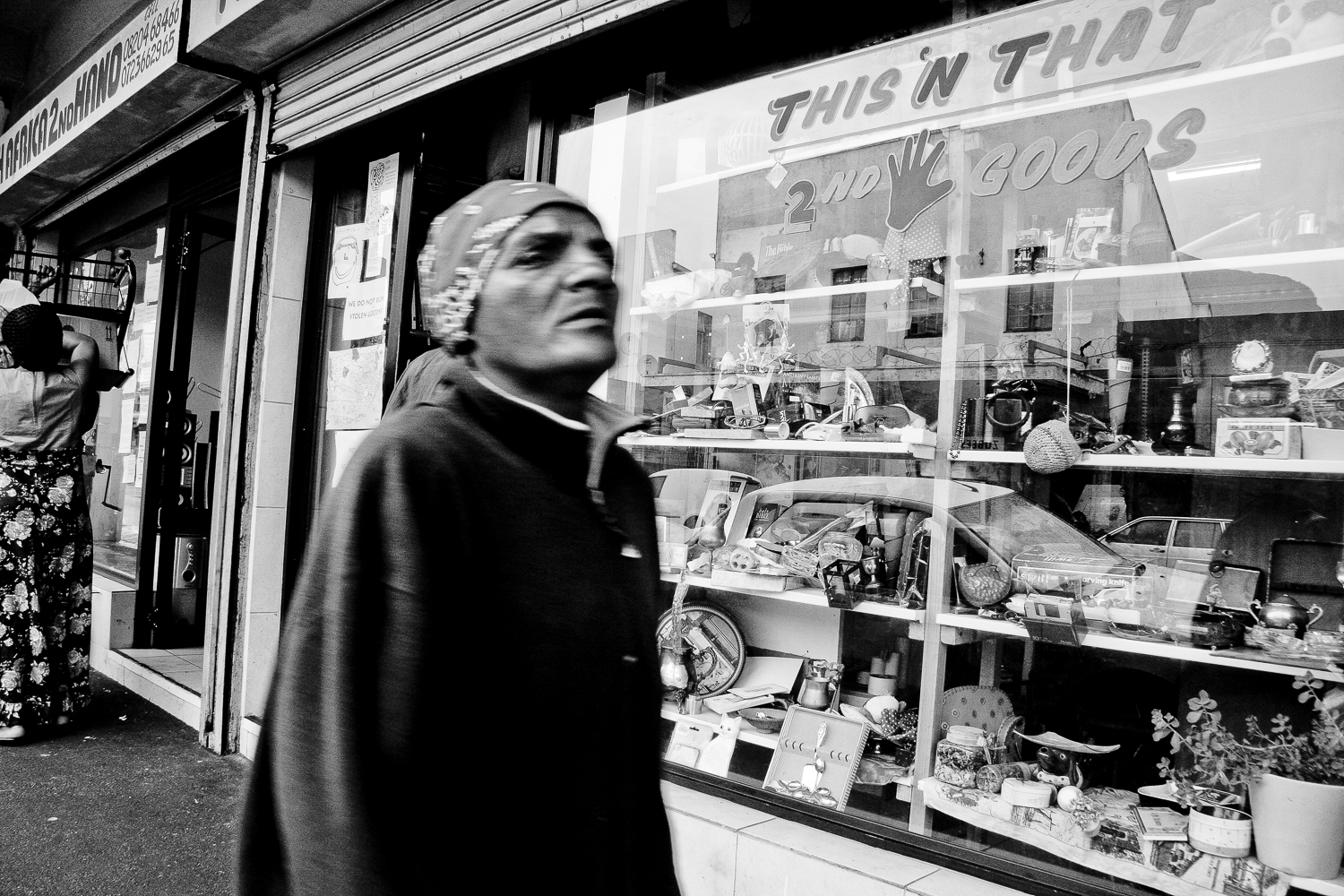
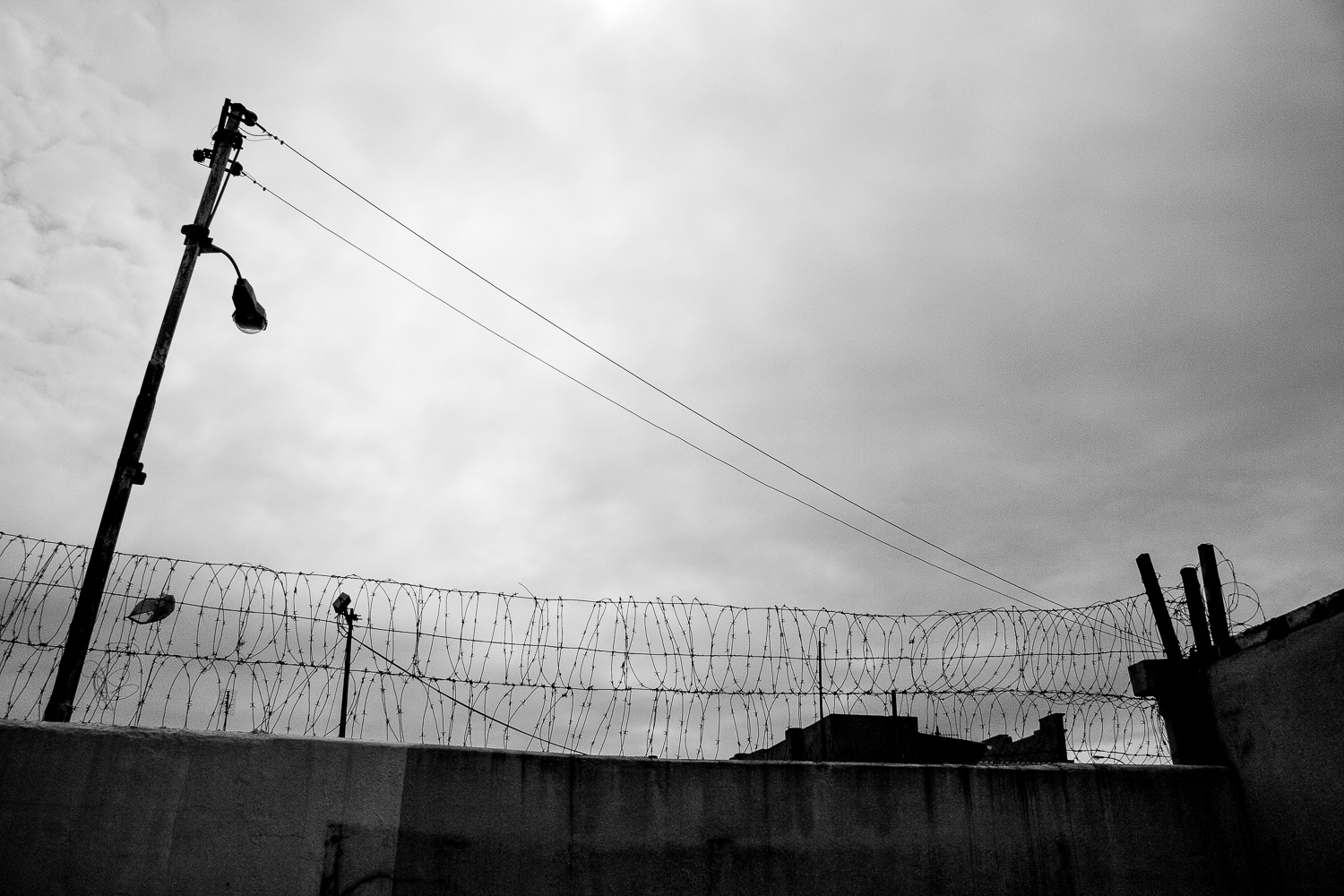
These photographs document the neighbourhood as it was: the street life, the graffiti, the faces of people who had been there for decades, alongside the first visible signs of a different kind of removal.
But Woodstock was different. SAHO notes that by 1979, the only undecided area near the city centre was a small portion of Woodstock, which remained unproclaimed under the Group Areas Act. This is a remarkable fact. While District Six was bulldozed and its 60,000 residents relocated to the Cape Flats, while Windermere was cleared of its Black population, while Simon’s Town, Claremont and Mowbray were all racially rezoned, Woodstock held on. Working-class Coloured, Black and White families continued to live alongside one another in a part of the city that the apartheid planners never quite managed to sort into a single racial category.
As SAHO’s research on how the Group Areas Act shaped spaces, memories and identities in Cape Town (sahistory.org.za) explains, the legislation was designed to prevent interracial contact while ensuring white South Africans had exclusive access to prime property. SAHO notes that for people from diverse areas where identity was often fluid, the application of the Act became at once defining and confining. Woodstock’s residents resisted that confinement. The Open Woodstock campaign of the 1980s fought to keep the neighbourhood from being proclaimed, and it worked. Woodstock entered the democratic era as one of the few genuinely multiracial spaces in a city that had been systematically sorted by race for decades.
The Mechanics of Gentrification Woodstock Cape Town
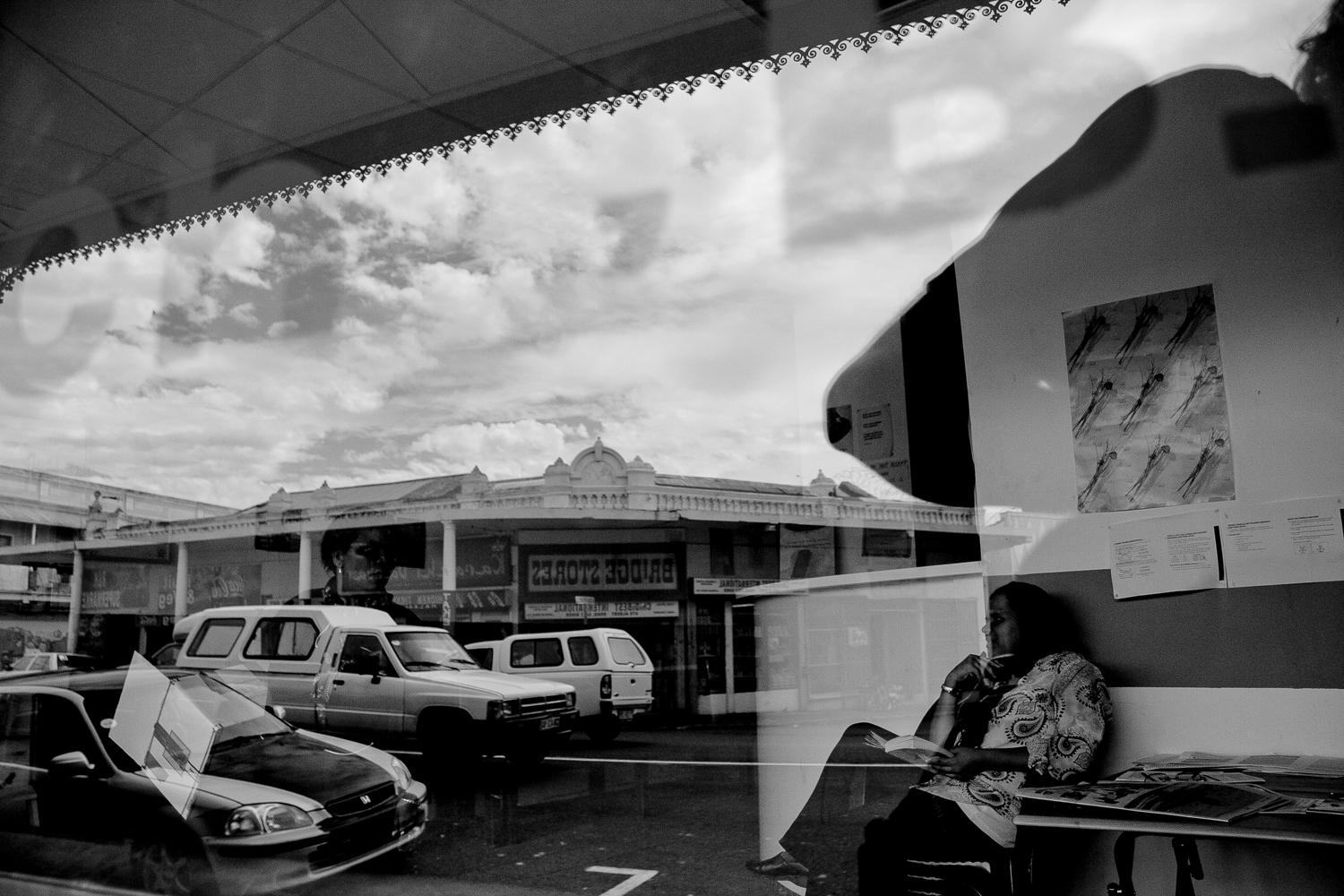
After the transition to democracy in 1994, Woodstock’s diversity and proximity to the city centre made it attractive to a different kind of force. In the early 2000s, the National Treasury designated large parts of the neighbourhood as Urban Development Zones, offering tax incentives for the refurbishment and construction of commercial and residential properties. The policy was intended to encourage investment in inner-city areas that had experienced decades of underinvestment. In practice, it opened the door to rapid commercial development that the existing community had no say in and could not afford to participate in.
Developers moved in. Indigo Properties was the most prominent, opening the Old Biscuit Mill on Albert Road, which South African History Online describes as a vibrant hub of art, design and food in the heart of Woodstock (sahistory.org.za). The Neighbourgoods Market, held at the Biscuit Mill every Saturday, became one of Cape Town’s biggest markets, known for artisan food, craft beer and designer goods. The Woodstock Exchange followed, converting an old industrial building into office space for creative agencies, studios and small businesses. The Pot Luck Club and The Test Kitchen, two of Cape Town’s most celebrated restaurants, opened on the premises.
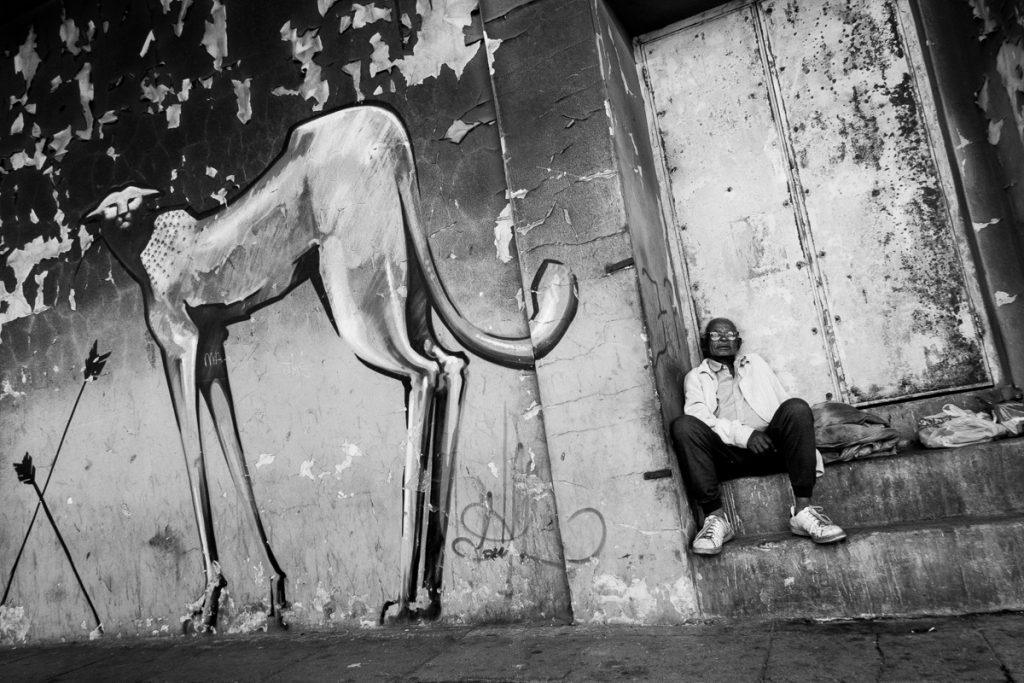
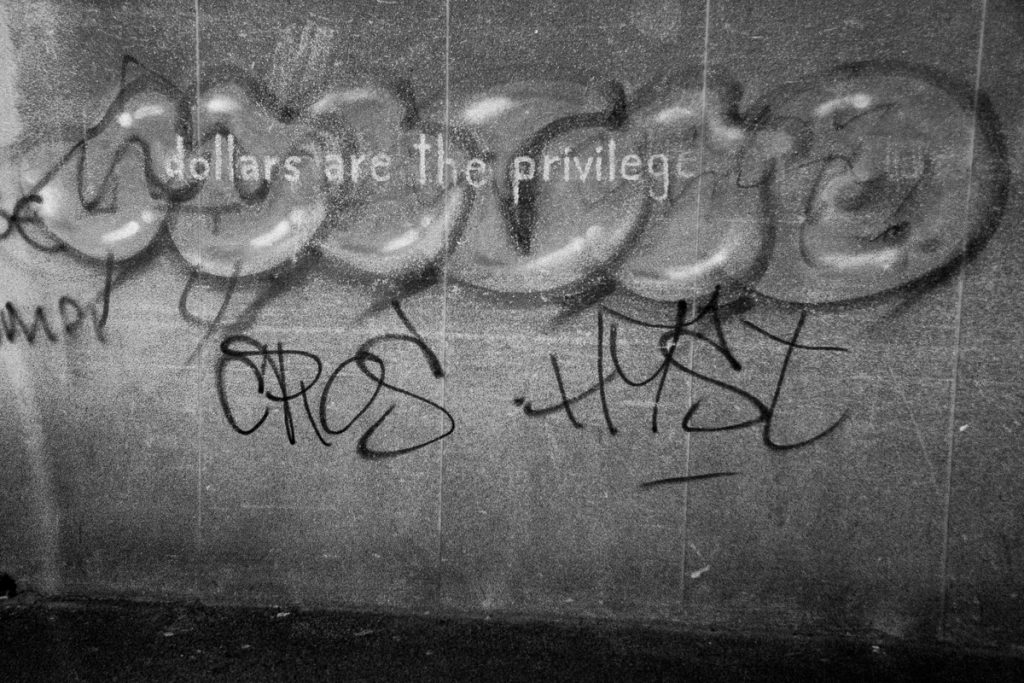
These developments were marketed as urban renewal. The language of regeneration, creative economy and placemaking was used to describe what was happening. But the reality of gentrification Woodstock Cape Town was more brutal than the branding suggested. Rents climbed. Property values increased. Long-standing residents, many of whom had been in the neighbourhood for decades and had survived the apartheid government’s attempts to remove them, found themselves being pushed out by market forces. Eviction notices were served on families who could no longer afford the new rental prices. The irony was visible on the streets themselves: murals and street art covered the walls of buildings whose tenants were being displaced. Cheetah graffiti overlooked pavements where families were negotiating the slow violence of economic removal.
The People Caught in Gentrification Woodstock Cape Town
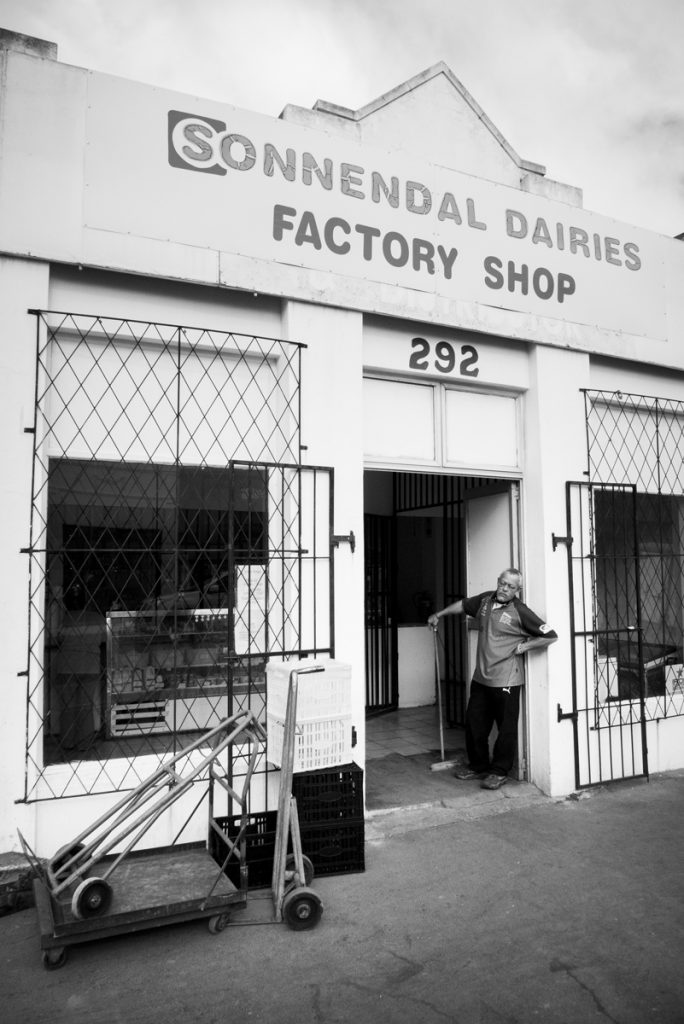
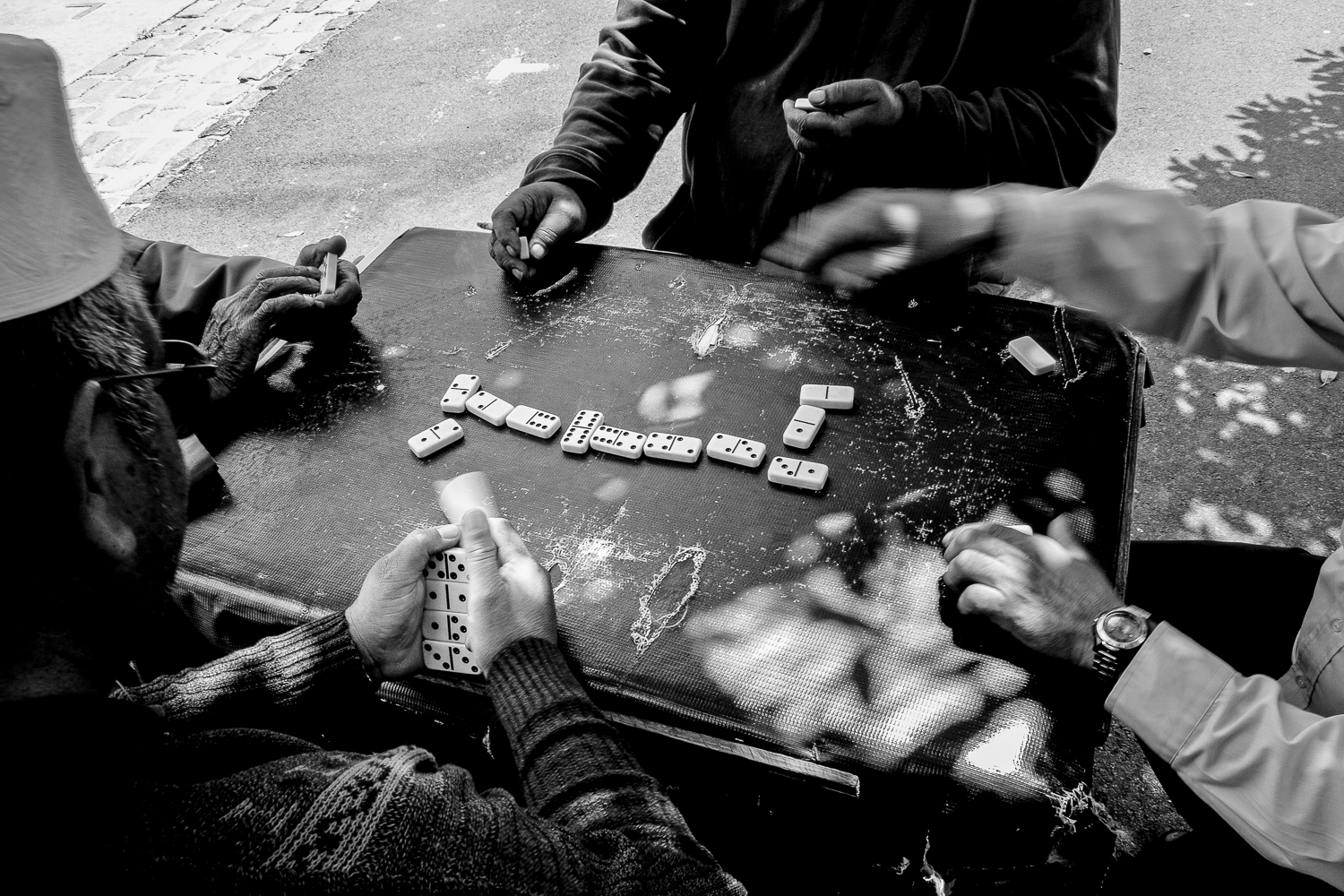
The photographs in this series were made during that transition. They document the neighbourhood as it was, not as the developers were selling it. The men playing dominoes on the street in 2014. The children walking to school past freshly painted murals. The older residents sitting outside homes they had lived in for thirty or forty years, watching the cranes and scaffolding go up on the next block. The spaza shops and small businesses that had served the community for generations, now surrounded by coffee roasteries and design studios catering to a clientele that had arrived in the last two years.
Salt River, immediately adjacent to Woodstock, was beginning to follow the same trajectory. Historically a working-class industrial area with a strong Muslim community rooted in the Bo-Kaap tradition, Salt River’s older buildings and relatively affordable rents attracted the same kind of developer interest. The pattern of gentrification Woodstock Cape Town was recognisable to anyone who had seen it happen in cities elsewhere: creative industries move in, property values climb, the original residents are displaced, and the character of the neighbourhood is remade in the image of the people who can afford the new prices.
Resistance to Gentrification Woodstock Cape Town
The displacement was not uncontested. Housing activist organisations, most prominently Ndifuna Ukwazi (nu.org.za), documented and challenged unlawful evictions through legal action, public advocacy and community organising. Ndifuna Ukwazi, whose name means “Dare to Know” in isiZulu, has been at the forefront of campaigns for well-located, affordable housing with security of tenure in Cape Town. In Woodstock specifically, they challenged development applications that failed to account for the impact on existing residents and took cases to Heritage Western Cape arguing that the social and living heritage of the neighbourhood should be considered in planning decisions.
The art collective Burning Museum, based in Woodstock, used street art and public interventions to draw attention to the displacement happening around them. Their work deliberately occupied the neglected and dilapidated public spaces of the neighbourhood, making the gentrification visible to people who might otherwise have seen only the new restaurants and galleries.
Gentrification Woodstock Cape Town as an Ongoing Process
The process documented in these photographs has not stopped. As of 2026, gentrification Woodstock Cape Town continues. Property prices remain high. The demographic composition of the neighbourhood has shifted significantly. Many of the families who were there when these photographs were taken are no longer in the area. Some moved to Mitchell’s Plain. Some moved to Delft. Some moved further out. The pattern mirrors, through economic rather than legislative mechanisms, the same geography of displacement that the Group Areas Act created.
What these photographs record is a neighbourhood at a tipping point: the street life, the graffiti, the faces of people who had been part of the area for generations, alongside the first visible signs of a different kind of removal. It is a document of gentrification Woodstock Cape Town at the moment when the community that had survived apartheid began to lose its neighbourhood to the market.

Outbound Links:
- Cape Town the Segregated City (SAHO): https://sahistory.org.za/article/cape-town-segregated-city
- Group Areas Act and Cape Town identity (SAHO): https://sahistory.org.za/article/how-group-areas-act-shaped-spaces-memories-and-identities-cape-town
- District Six (SAHO): https://sahistory.org.za/place/district-six-cape-town
- Old Biscuit Mill Woodstock (SAHO): https://sahistory.org.za/place/old-biscuit-mill-woodstock-cape-town
- Ndifuna Ukwazi: https://nu.org.za/
- Woodstock Cape Town: https://en.wikipedia.org/wiki/Woodstock,_Cape_Town