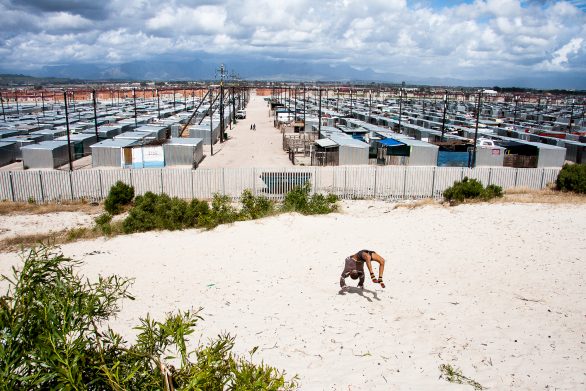
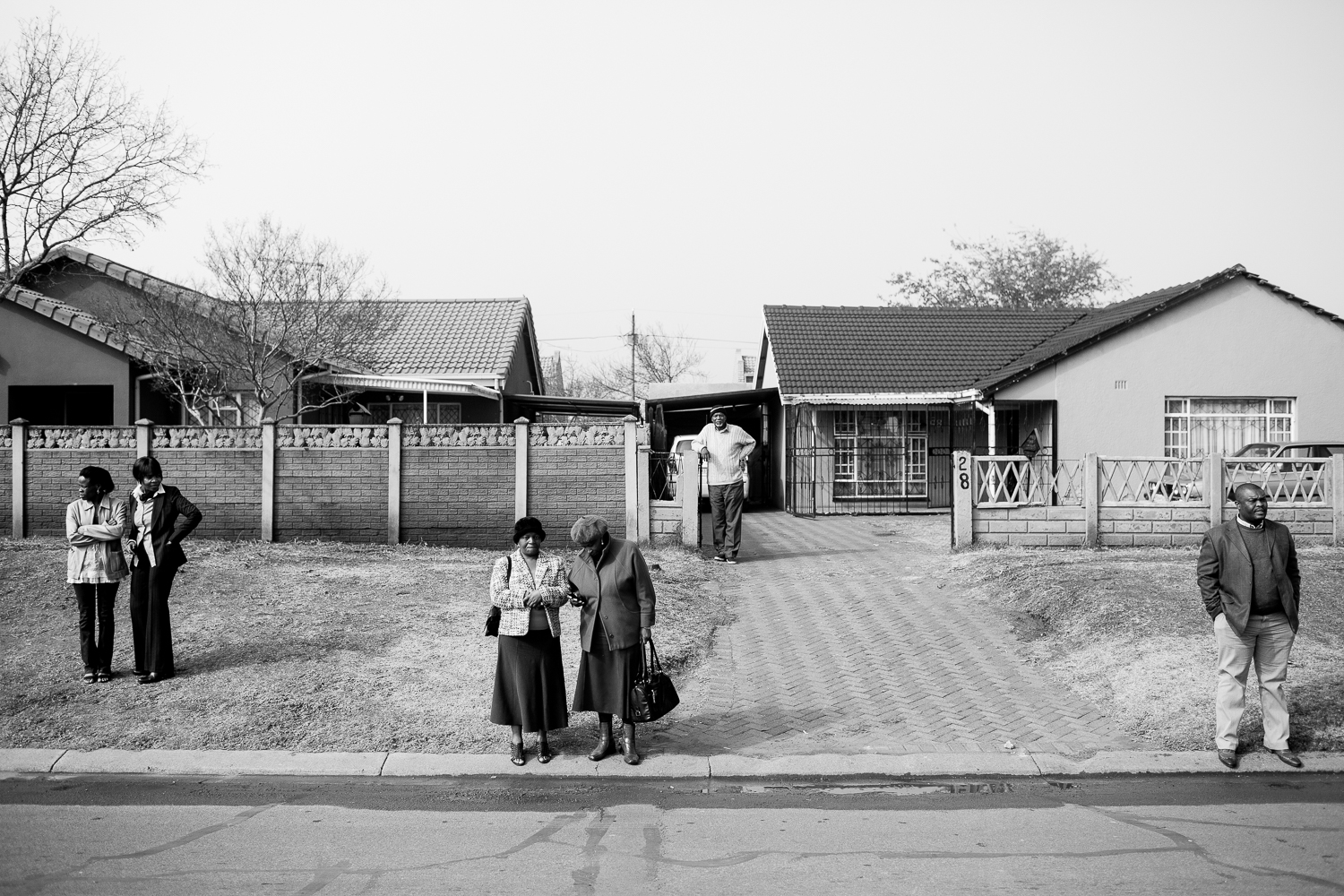
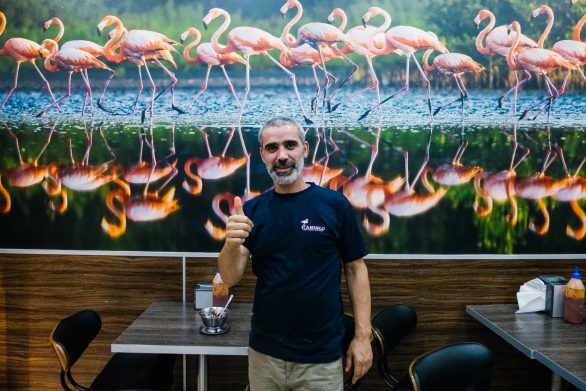
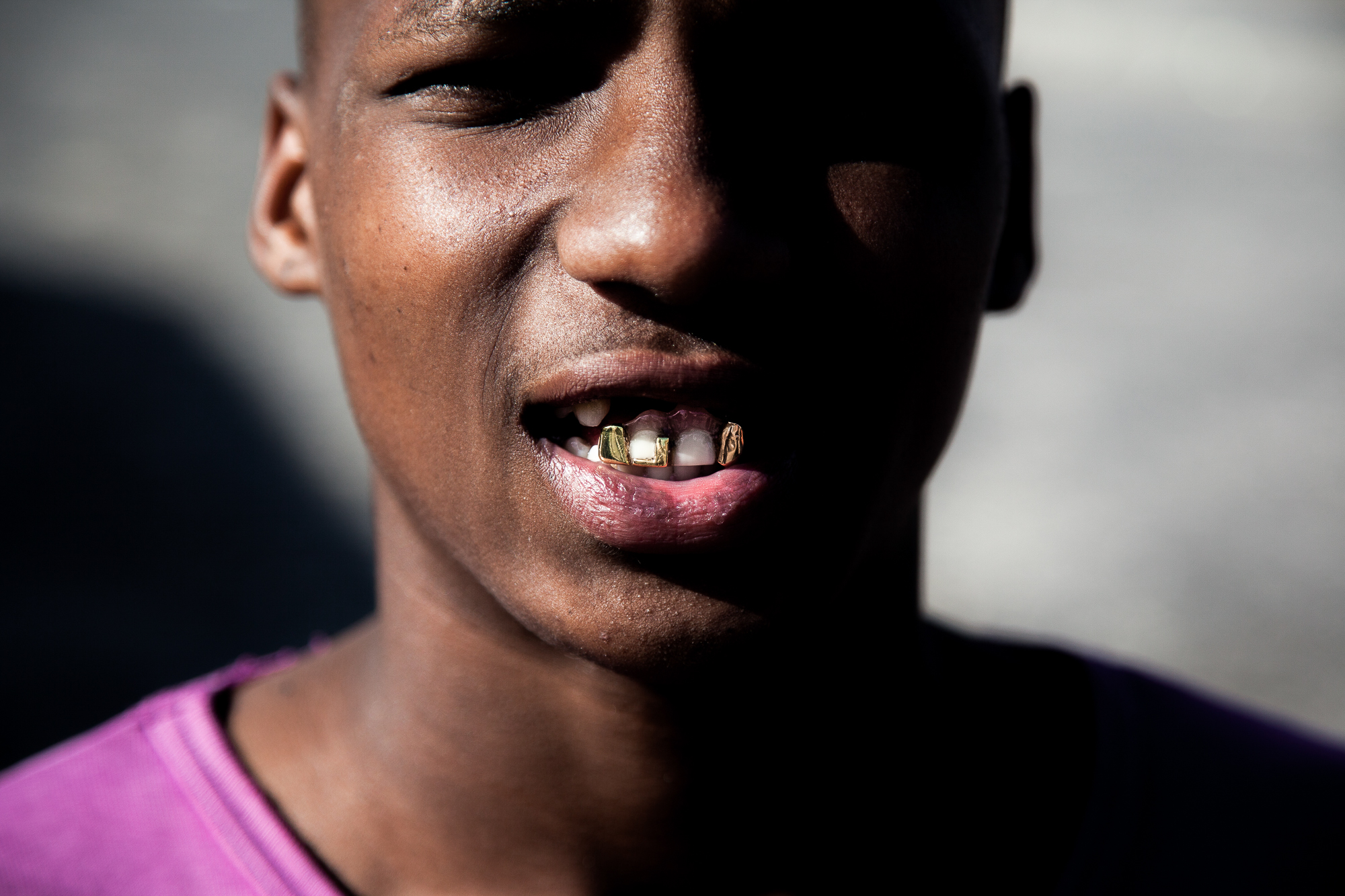
The Passion Gap Cape Flats tradition of deliberately extracting healthy upper front teeth has been a common practice in working-class Coloured communities across Cape Town for more than sixty years. Known also as the Cape Flats Smile or Pap Bek, the Passion Gap Cape Flats phenomenon is a deeply localised form of body modification occurring primarily in the townships and suburbs of the Cape Flats.
Origins and Meaning of the Passion Gap Cape Flats Tradition
The origins of the Passion Gap Cape Flats practice are debated. Many people explain it as a fashion statement. Others say it improves kissing or enhances oral sex. Peer pressure among teenagers is a significant driver. Gangsterism has also played a role, with the Passion Gap Cape Flats modification carrying specific cultural meanings related to group identity. What is consistent is that the practice functions as a marker of identity, particularly among the poorest working class in Coloured areas of South Africa. A 2003 University of Cape Town study surveyed 2,167 Coloured respondents in the Western Cape and found that 41% had had their front teeth extracted. Of those, 44.8% were male. Children as young as eleven have undergone the procedure for aesthetic reasons. The Passion Gap Cape Flats practice is rare among the middle class and virtually nonexistent among the wealthy. Approximately 75% of people with a Passion Gap identify as Coloured.
Perspectives on the Passion Gap Cape Flats Modification
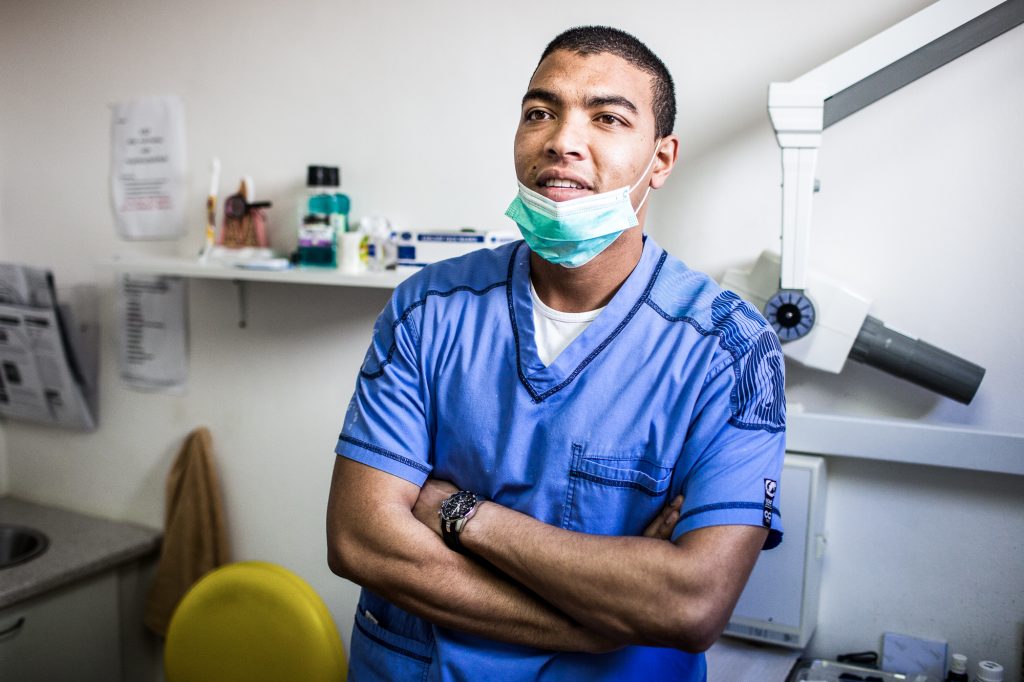
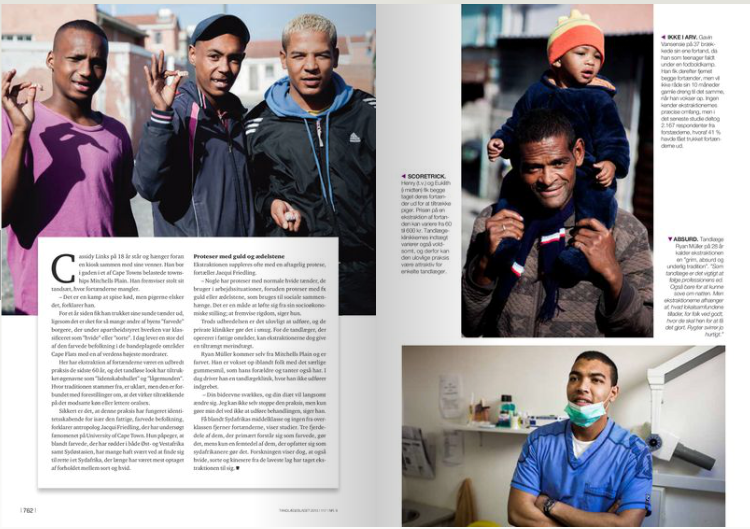
Jacqui Friedling, an anthropologist at the University of Cape Town, has noted that some individuals with the Passion Gap Cape Flats modification use multiple sets of dentures: plain white teeth for work and gold or gem sets for social occasions, functioning as a display of status. Ryan Müller, a Capetonian dentist who grew up in Mitchell’s Plain, no longer performs the extractions at his clinic. Gavin van Sensie, a Tafelsig resident who lost his front teeth after a soccer injury, says he would never advise his son to do the same.

Historical Roots of the Passion Gap Cape Flats Practice
The Passion Gap Cape Flats phenomenon resists easy interpretation. It is part fashion, part class signifier, part tradition that has outlived its original context. Its roots may stretch back centuries. Dental modification in Southern Africa has been documented for at least 1,500 years. During the mid-seventeenth century, enslaved people at the Cape Colony sometimes removed their own teeth as an act of bodily autonomy. Whether a direct line connects those acts to the contemporary Passion Gap Cape Flats practice is unclear, but the resonance is difficult to ignore. These photographs document the people behind the statistics: the faces, the smiles, the gold teeth and the gaps, and the community in which the Passion Gap Cape Flats tradition continues to hold meaning.
Related projects: 100 Homes Project Beacon Valley, Joining Hands Tafelsig Mitchell’s Plain



Outbound Links:
- Passion Gap: https://en.wikipedia.org/wiki/Passion_gap
- Mitchell’s Plain (SAHO): https://sahistory.org.za/place/mitchells-plain-cape-flats
- History of Muslims at the Cape 1652-1699 (SAHO): https://sahistory.org.za/archive/history-muslims-south-africa-1652-1699-ebrahim-mahomed-mahida
- University of Cape Town: https://www.uct.ac.za/